


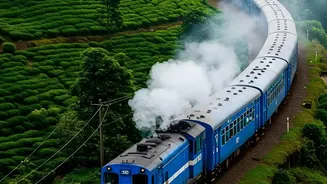
The Social Media Express
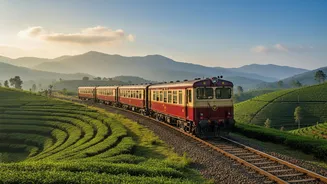
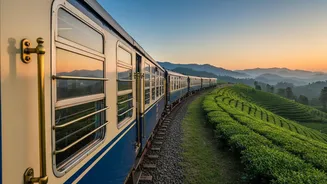
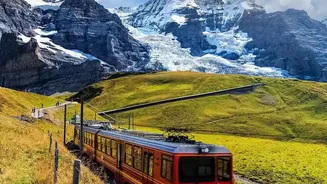
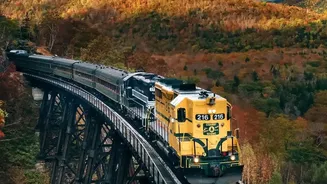
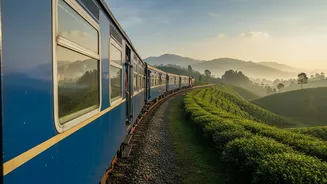
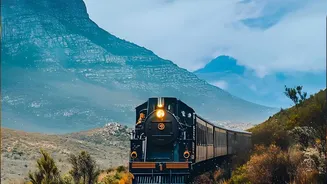
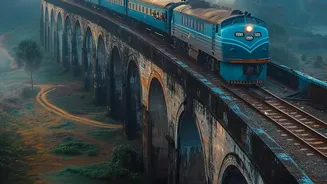
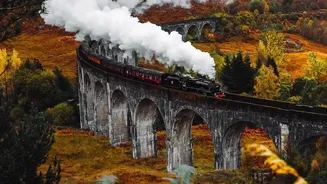
The resurgence of heritage rail routes is being powered by a modern engine: social media. Platforms like Instagram and YouTube are flooded with breathtaking reels of trains winding through misty mountains and verdant tea gardens. These journeys are inherently
cinematic, offering a ready-made aesthetic that captivates a generation of travellers eager to document and share unique experiences. The slow pace of these trains allows for picture-perfect moments, from a window seat view of a plunging valley to the old-world charm of colonial-era stations. This visual appeal has transformed these routes from mere transport into destinations themselves, with travellers seeking the perfect shot as much as the journey. The trend reflects a broader shift towards slower, more immersive travel, where the journey is valued as much as the destination.
Defining 'Budget Luxury'
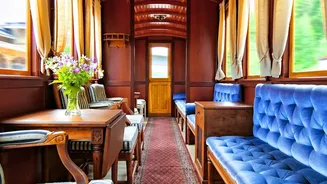
The term 'budget luxury' might seem like a contradiction, but it perfectly captures the appeal of these rail journeys. It is not about the opulent, all-inclusive services of trains like the Maharajas' Express, which can cost lakhs. Instead, it’s about accessible premium experiences. The key innovation here is the Vistadome coach. Introduced by Indian Railways on scenic routes, these coaches feature panoramic glass windows, transparent roofs, and rotatable seats, allowing for an immersive viewing experience. While a ticket for a Vistadome coach is more expensive than a standard seat, it remains well within the reach of the average domestic tourist, offering a taste of luxury—comfort, exclusivity, and incredible views—without a hefty price tag. This has proven to be a massive hit, with Vistadome coaches on routes like Mumbai-Pune and Mumbai-Goa reporting high occupancy and significant revenue.
Case Study: The Kalka-Shimla Railway
Perhaps no route exemplifies this trend better than the Kalka-Shimla Railway, a UNESCO World Heritage Site. This narrow-gauge 'toy train' navigates a 96-kilometre track through over 100 tunnels and across 800 bridges, offering spectacular views of the Himalayan foothills. The introduction of new, specially designed Vistadome coaches has amplified its popularity. These coaches, with their glass ceilings and wide windows, bring passengers closer to nature, making the six-hour journey an event in itself. The combination of historic engineering, stunning natural beauty, and the modern comfort of Vistadome coaches has cemented the Kalka-Shimla line as a bucket-list item for travellers seeking an affordable yet unforgettable luxury experience.
The Charm of the Hills: Darjeeling and Ooty
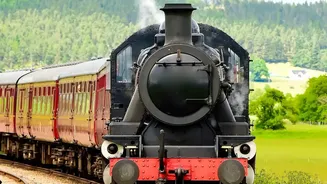
Two other UNESCO-listed mountain railways are central to this trend: the Darjeeling Himalayan Railway and the Nilgiri Mountain Railway. The Darjeeling 'Toy Train' is an icon of Indian tourism, famous for its journey through lush tea plantations with views of Kanchenjunga. Its vintage B-class steam locomotives offer a nostalgic ride that feels like stepping back in time. Similarly, the Nilgiri Mountain Railway to Ooty offers a unique journey, notable for being the only rack and pinion railway in India, designed to climb steep gradients. The train travels from the plains through dense forests and tea estates, a route immortalised in popular culture. For both routes, the experience is the main attraction, with Vistadome coaches being added to enhance the scenic journey.
The Journey as the Destination
Ultimately, the viral popularity of these heritage routes signals a change in traveller priorities. In an age of fast-paced living, the leisurely, rhythmic chug of a mountain train offers a welcome antidote. It’s an invitation to disconnect from the digital world, even while sharing its beauty online. This form of travel aligns with a growing desire for experiences that are authentic, memorable, and connect travellers to both nature and history. By upgrading heritage lines with comfortable and photogenic Vistadome coaches, Indian Railways has successfully tapped into this sentiment, making century-old engineering marvels relevant for the 21st-century traveller. These journeys prove that true luxury isn’t always about price; sometimes, it’s about the richness of the experience.