
The Visa Perk and Its Fine Print
The biggest news for Indian travellers is Sri Lanka's free tourist visa policy. As of May 2026, Indian passport holders no longer need to pay a fee for a 30-day tourist stay. However, the term 'visa-free' can be slightly misleading. It is still mandatory
to obtain an Electronic Travel Authorisation (ETA) online before you travel. The good news is that the application process for this tourist ETA is now free of charge. You must apply through the official government portal before your departure to avoid any issues at immigration. This free ETA allows for a 30-day stay with a double-entry facility, meaning you could even hop over to another nearby country and return within the validity period. This simple, cost-saving step removes a key barrier for anyone planning a last-minute trip.
Why Sri Lanka Is a Backpacker's Dream
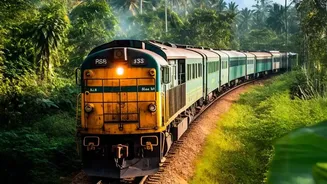
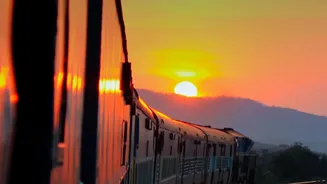
Beyond the easy entry, Sri Lanka is perfectly built for backpacking adventures. Its compact size means you can travel from misty tea plantations in the central highlands to golden-sand beaches on the coast in just a few hours. The country boasts a well-established and affordable public transport network, especially the iconic and scenic train journeys between cities like Kandy and Ella. For accommodation, a thriving ecosystem of friendly guesthouses and vibrant hostels cater specifically to budget travellers, offering not just a cheap place to sleep but also a chance to meet fellow adventurers from around the world. English is widely spoken in tourist areas, making navigation and communication straightforward for Indian visitors. Add to that the delicious and affordable local food, and you have a destination that delivers a rich travel experience without breaking the bank.
Your 5-Day Southern Whirlwind Itinerary
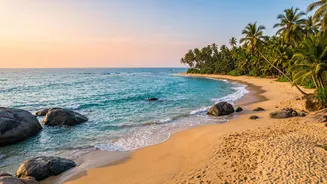
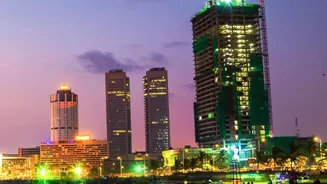
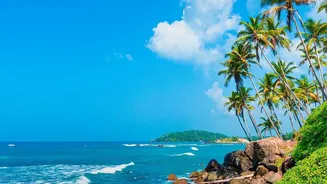
Five days is the perfect amount of time to get a taste of Sri Lanka's stunning southern coast. Here is a classic backpacking itinerary that balances culture, beaches, and wildlife. Day 1: Arrive in Colombo and head south. Land at Bandaranaike International Airport (CMB), and instead of staying in the capital, take a direct train or bus to the historic city of Galle. Settle into your hostel and get ready to explore. Day 2: Explore Galle Fort. Spend the day wandering the charming cobblestone streets of the UNESCO World Heritage Galle Fort. This 17th-century Dutch fortress is packed with boutique shops, quaint cafes, and colonial architecture. Walk the ramparts at sunset for spectacular ocean views. Day 3: Beach life in Mirissa or Weligama. Take a short bus or tuk-tuk ride to the nearby beach towns of Mirissa or Weligama. Weligama is perfect for learning to surf, while Mirissa is known for its beautiful crescent beach and whale-watching tours (in season). Day 4: Go on a wildlife safari. Wake up early for a day trip to Udawalawe National Park. It's one of the best places in the world to see elephants in the wild. A half-day safari can be easily arranged and offers a fantastic glimpse into Sri Lanka's incredible biodiversity. Return to your beach base in the evening. Day 5: Journey back to Colombo. Enjoy a final Sri Lankan breakfast before making your way back to Colombo for your flight home, filled with memories of an epic short adventure.
Budgeting Your Backpacking Trip
A five-day backpacking trip to Sri Lanka is incredibly budget-friendly. A realistic budget for a solo backpacker can be around ₹30,000 to ₹38,000, excluding shopping. Here’s a rough breakdown in Indian Rupees. Flights: This will be your biggest expense. Flying from South Indian cities like Chennai or Bengaluru can be very affordable, with return fares sometimes dipping as low as ₹10,000–₹15,000 if booked in advance or during a sale. Accommodation: Hostels are your best friend. A dorm bed in a clean and well-rated hostel will cost between ₹1,000 and ₹1,800 per night. For five nights, budget around ₹6,000. Food and Drinks: Sri Lankan food is delicious and cheap. You can eat hearty local meals of rice and curry for just a few hundred rupees. Budgeting ₹1,000–₹1,500 per day is more than enough to eat well. Transport: Local transport is a bargain. Long-distance train and bus tickets rarely cost more than a few hundred rupees. For shorter trips, tuk-tuks are common; just be sure to use a ride-hailing app like PickMe or agree on the fare beforehand. Activities: Entrance fees for sites and activities will vary. A safari in Udawalawe might cost around ₹3,000–₹5,000, while entry to smaller temples is much less. Keep a buffer of about ₹5,000 for these.