




The Old Frontier: An ISRO-Led Universe
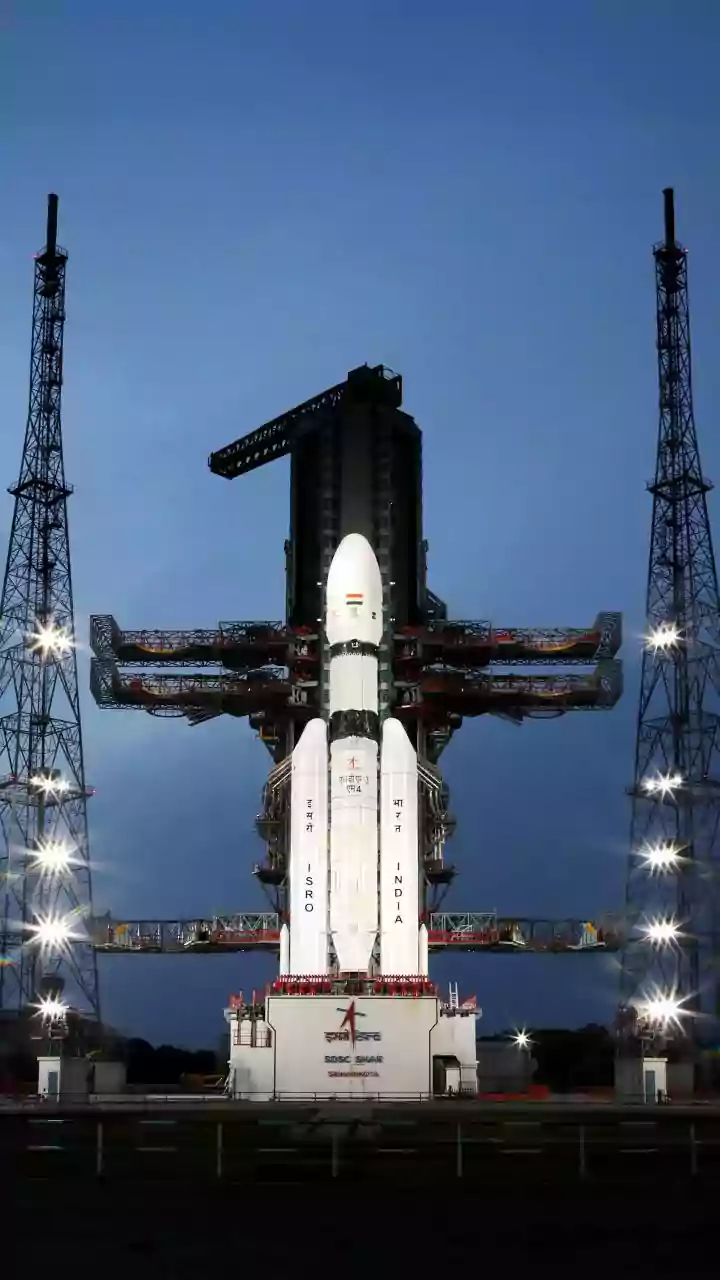
For decades, India's journey into space was almost exclusively driven by the Indian Space Research Organisation (ISRO). A career in the space sector meant aspiring to join this prestigious government body, which recruits top-tier engineers, scientists,
and technicians to work on national missions. ISRO and its associated labs were the primary employers, creating a landscape where opportunities were concentrated in core scientific and technical fields like mechanical, electronics, and computer science engineering. This government-led model built a formidable foundation, making India a global space power with landmark missions to the Moon and Mars. However, the ecosystem was largely a closed loop, with private industry mostly limited to supplying components to ISRO.
A New Galaxy of Opportunity
The game changed dramatically in 2020 when the Indian government opened the space sector to private enterprise. This single policy shift has catalysed a vibrant startup ecosystem. Today, more than 400 private space startups are registered with IN-SPACe (Indian National Space Promotion and Authorisation Centre), the agency created to facilitate private participation. Companies like Skyroot Aerospace, Agnikul Cosmos, Pixxel, and Dhruva Space are now building everything from launch vehicles to satellite constellations. This commercial boom is transforming the job market. India's space economy, currently valued at around $8-9 billion, is projected to surge to $44 billion by 2033. This rapid growth is creating thousands of new jobs and requires a diverse talent pool to sustain it.
Beyond the Blueprints: The New Roles Emerge
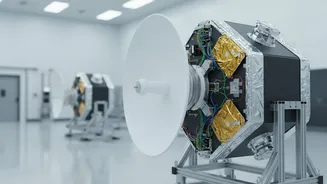
As space becomes a business, the required skill sets are diversifying rapidly. While demand for core engineers remains strong, startups now need people who can help them build, market, and sustain their commercial operations. This has opened doors for professionals in fields that were never traditionally associated with the space industry. The most popular image of a space career—an astronaut or a rocket scientist—now represents only a tiny fraction of the actual jobs available. The new space economy is a sprawling industry that includes satellite manufacturing, ground station operations, data analytics, and regulatory compliance.
The Lawyers, Artists and Storytellers of Space
So, what are these new roles? One of the fastest-growing areas is Space Law and Policy. As more private players launch satellites and plan missions, the need for legal experts who can navigate international treaties, licensing, and debris management has become critical. Another exploding field is space data analytics. Companies like Pixxel and SatSure are building businesses around analysing satellite imagery for industries like agriculture, insurance, and urban planning. This creates jobs for data scientists, GIS analysts, and machine learning engineers who can turn raw data into actionable insights. Furthermore, as these startups compete for funding and customers, roles in business development, finance, marketing, public relations, and human resources have become essential. There is even a growing need for designers and user experience (UX) specialists to create intuitive software for ground control systems and data platforms, as well as graphic artists to help tell the story of these ambitious new companies.
Skills to Launch Your Career
For those with a non-technical background, breaking into the space sector is now more achievable than ever. The key is to combine your primary expertise with domain-specific knowledge. A lawyer can specialise in space law, a finance professional can focus on venture capital for tech startups, and a marketing professional can learn the nuances of the deep-tech industry. Many roles in mission operations and project management are well-suited for individuals with strong relational and persuasive skills who can coordinate large, complex projects. The rise of downstream applications—using space-based assets to solve problems on Earth—means that expertise in sectors like climate science, agriculture, or logistics can be a valuable entry point into a space-tech company. The message from the industry is clear: if you have valuable skills, there's a good chance there's a place for you in India's new space race.