







The Heavy Truth About Wet Denim
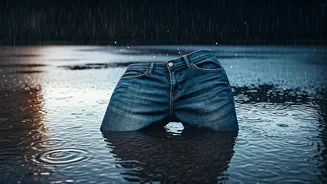
Denim's biggest flaw during the monsoon is its material composition. At its core, denim is a heavy, sturdy cotton fabric. While great for durability, cotton is highly absorbent and notoriously slow to dry, especially in the high humidity that accompanies
rainy weather. When your jeans get wet, they don't just feel damp; they become significantly heavier, clinging uncomfortably to your skin and restricting movement. This prolonged dampness isn't just a matter of comfort. Wearing wet, tight-fitting clothes like jeans for extended periods can create a breeding ground for bacteria and fungi, potentially leading to skin irritation or infections. The struggle continues even after you get home, as a pair of soaked jeans can take an eternity to dry indoors, often developing a musty odour in the process.
Smart Fabric Swaps: Embrace the Alternatives
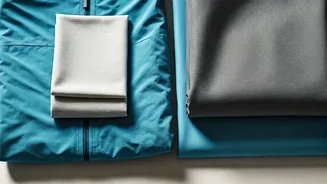
The key to monsoon dressing is choosing fabrics that are lightweight, breathable, and, most importantly, quick-drying. Synthetics and synthetic blends are excellent choices. Materials like polyester, nylon, and rayon repel water more effectively than cotton, dry in a fraction of the time, and are less likely to stick to your body when damp. For those who prefer natural fibres, not all cotton is created equal. While heavy denim is out, lightweight cottons like cambric and mulmul are fantastic options as they are breathable and dry much faster than their heavier counterpart. Linen is another monsoon champion; it's incredibly breathable and actually gets softer when damp, drying faster than cotton. Cotton-linen blends offer the best of both worlds: the softness of cotton with the quick-drying, moisture-wicking properties of linen.
Rethink Your Silhouette: Go with the Flow
Beyond fabric, the cut of your clothing makes a huge difference. The monsoon is the perfect time to move away from tight-fitting skinny jeans and embrace looser, more airy silhouettes. Wide-leg pants, palazzos, and culottes are not only on-trend but also incredibly practical for the rains. Their flowing design keeps the fabric away from your skin, promoting air circulation and helping you stay cool in the humidity. Moreover, their shorter or wider hems are less likely to drag through puddles and splash mud onto your legs, a common monsoon grievance. Midi skirts and dresses are also excellent choices, offering a stylish way to navigate wet streets without worrying about soaking your hems.
Colours and Footwear: The Finishing Touches
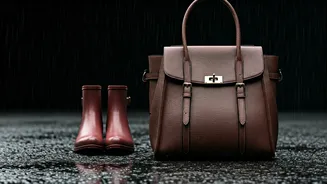
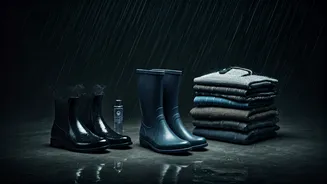
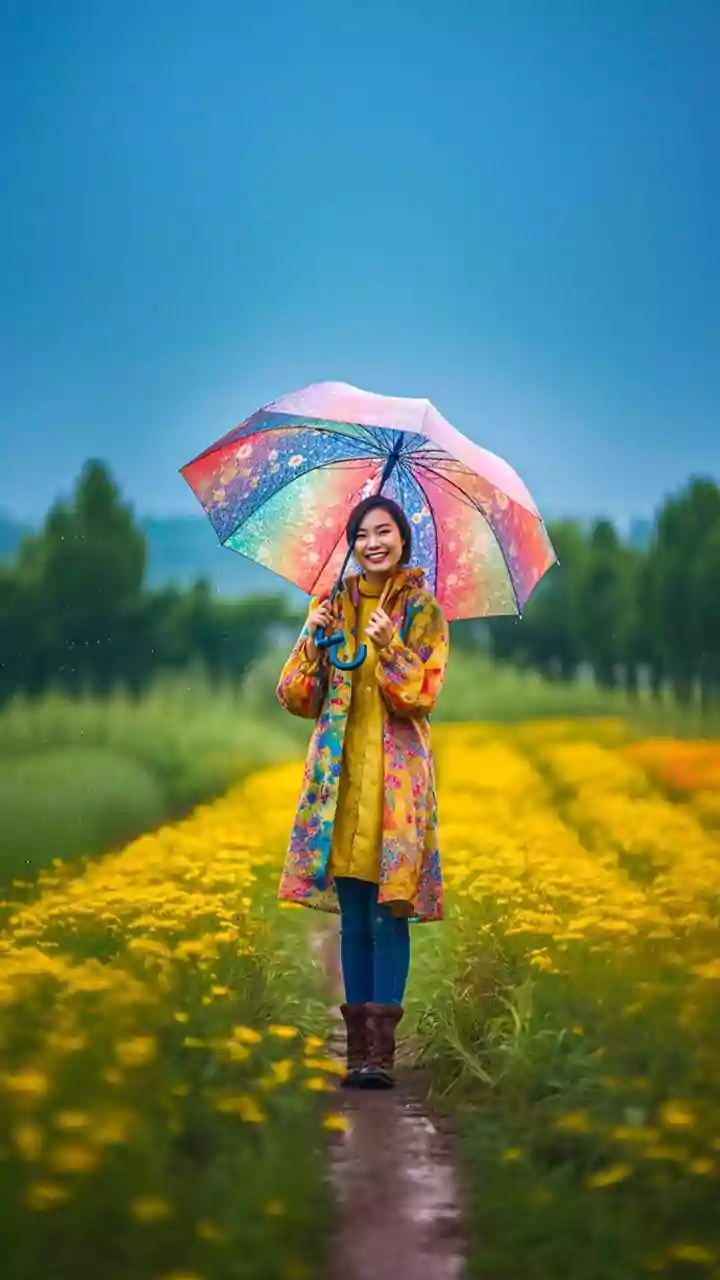
While you're shelving your denims, it might be a good idea to rethink your colour palette as well. Light colours, especially white, can become transparent when wet and are unforgiving when it comes to mud stains. The gloomy monsoon weather is a great excuse to embrace bright, vibrant colours or fun prints that can help lift your spirits and cleverly disguise any water marks. Your choice of footwear is equally critical. Leather and suede are easily damaged by water, and canvas sneakers become waterlogged and take ages to dry. Instead, opt for waterproof or quick-drying footwear like stylish rubber flats, sandals, or floaters that can be easily cleaned and won't leave you with soggy feet.