





Why Produce Needs Extra Care
During the rainy season, the risk of food and water contamination rises significantly. The increased moisture in the air and soil allows harmful microbes like bacteria and fungi to multiply quickly on the surface of fresh produce. Leafy greens, with their
many layers, can trap dirt, moisture, and tiny insects, making them difficult to clean thoroughly. Root vegetables that grow underground are more exposed to contaminated soil. This is why foodborne illnesses such as gastroenteritis, cholera, and diarrhoea become more common during this time. Making smart choices at the vegetable market and following proper hygiene can drastically reduce these risks and help keep your family healthy.
Vegetables to Add to Your Basket
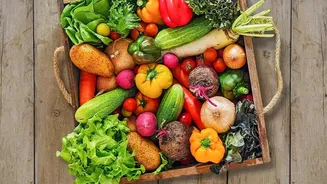
Focusing on seasonal vegetables that are less prone to spoilage is a smart strategy. Gourds are an excellent choice for the monsoon. Varieties like bottle gourd (lauki), bitter gourd (karela), snake gourd, and pointed gourd (parwal) have thick skins and are less susceptible to contamination. They are also easy to digest and packed with essential nutrients. Bitter gourd, in particular, is known for its immunity-boosting and anti-inflammatory properties. Other good options include onions and potatoes, which are staples in Indian cooking and have a longer shelf life if stored correctly in a dry, ventilated space. Buying these vegetables whole and fresh is always the best approach.
Fruits for a Healthy Monsoon
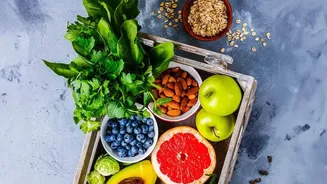
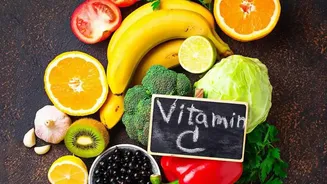
Seasonal fruits are a great way to boost your immunity during the monsoon. Apples, pomegranates, and bananas are excellent choices as they are rich in vitamins, antioxidants, and fiber that aid digestion and help fight infections. Lychees and peaches, when in season, are also beneficial, offering vitamins that support skin health, which can be affected by the damp weather. It is always safer to buy whole fruits and cut them fresh at home, rather than purchasing pre-cut fruits from vendors, as they carry a higher risk of contamination from being exposed to the air.
Produce to Approach with Caution
Certain vegetables are best limited or avoided during the monsoon. Green leafy vegetables like spinach, cabbage, and lettuce are prime among them. Their layered structure can harbour germs and dirt that are hard to wash away. If you do choose to eat them, they must be washed meticulously and cooked thoroughly. Mushrooms, which grow in damp soil, can also be a source of bacterial growth and should be chosen with care. It's also wise to be cautious with raw salads, especially when eating out, as the vegetables may not be cleaned properly, allowing germs to enter your system.
The Ultimate Monsoon Cleaning and Storage Guide
Proper handling is just as important as smart buying. Always wash your hands with soap before and after handling produce. Rinse all fruits and vegetables thoroughly under clean, running water. For root vegetables or those with firm skins, using a clean brush to scrub the surface is recommended. Some experts suggest soaking produce in a saltwater or diluted vinegar solution to help kill pathogens. After washing, dry the produce completely before storing it. Store vegetables in the refrigerator promptly to prevent spoilage. It is best to buy produce in smaller quantities more frequently, such as on a weekly basis, to ensure freshness and minimise waste.