







The Meaning of 'Susegad' Reimagined
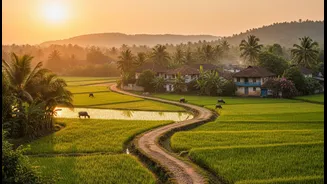
The famous Goan concept of 'susegad'—a state of relaxed contentment—is finding a new expression. For decades, it was tied to lounging on beaches like Calangute or Baga. Now, a growing number of travellers are finding it in the quiet, unhurried pace of the state's
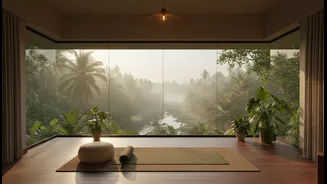
interior. This is slow travel: a shift away from ticking off sights and toward making genuine connections with a place. Instead of rushing from one tourist spot to another, this approach encourages immersing oneself in the local culture, environment, and community at a leisurely pace. It's about trading the noise of the coast for the tranquil sounds of nature and village life. This trend is not just a preference but a conscious choice, reflecting a global move towards more meaningful and sustainable tourism.
Exploring the Goan Hinterlands
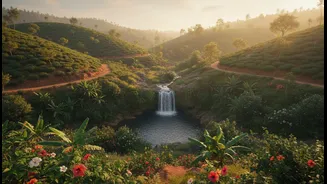
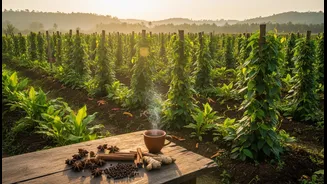
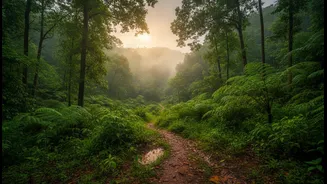
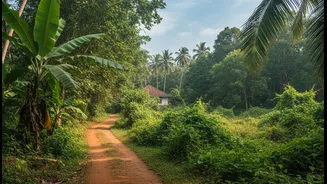
Just a short drive from the bustling coastline, Goa’s landscape transforms into a world of dense forests, serene rivers, and sleepy villages. The hinterlands, particularly in areas like Ponda, Sattari, and Sanguem, offer a treasure trove of experiences. Visitors can wander through fragrant spice plantations to see how pepper, cardamom, and nutmeg are grown. The region is dotted with ancient, atmospheric temples like the 12th-century Tambdi Surla Temple, hidden deep within a forest, and the grand Shri Mangesh and Shantadurga temples. For nature lovers, the Western Ghats present stunning wildlife sanctuaries, including Bhagwan Mahavir, Netravali, and Mhadei, which are home to exotic flora, fauna, and spectacular waterfalls like Dudhsagar.
Stays That Tell a Story
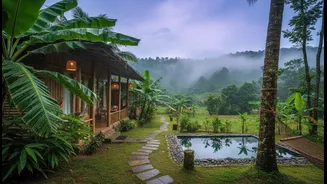
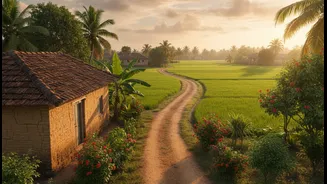
A key part of the slow travel movement is the choice of accommodation. In place of large, impersonal hotels, travellers are opting for stays that offer a deeper connection to the local fabric. The Goan government has actively encouraged this by launching schemes to support homestays and bed-and-breakfast establishments, particularly in rural areas. These properties, often family-run heritage homes or eco-friendly cottages, provide an authentic glimpse into Goan life. Places like Olaulim Backyards and Nature's Nest offer rustic charm and focus on sustainable practices like rainwater harvesting and using local materials. Staying in these homestays allows for meaningful interactions, home-cooked meals, and a travel experience that directly supports the local community.
Why Slower is Proving to be Better
The shift toward slow, inland travel offers benefits for everyone involved. For travellers, it provides a respite from the over-commercialisation of popular beach areas, offering a more peaceful and authentic vacation. It’s an opportunity to engage in activities like kayaking on backwaters, exploring Buddhist caves in Rivona, or visiting the unique resurfacing village of Curdi. For Goa, this trend promotes a more sustainable and 'regenerative' form of tourism. It helps distribute tourism revenue beyond the crowded coastal belt, creating economic opportunities for rural communities and encouraging the preservation of both cultural heritage and natural biodiversity. By choosing to explore the hinterlands, visitors are not just having a holiday; they are actively contributing to a more balanced and responsible tourism model for the state.