






What is 'Sustainable Dressing' Anyway?
For years, sustainable fashion felt like a complex, all-or-nothing concept. Today, it has matured into a more inclusive and practical movement. At its core, sustainable dressing is about making conscious choices to minimize the negative environmental
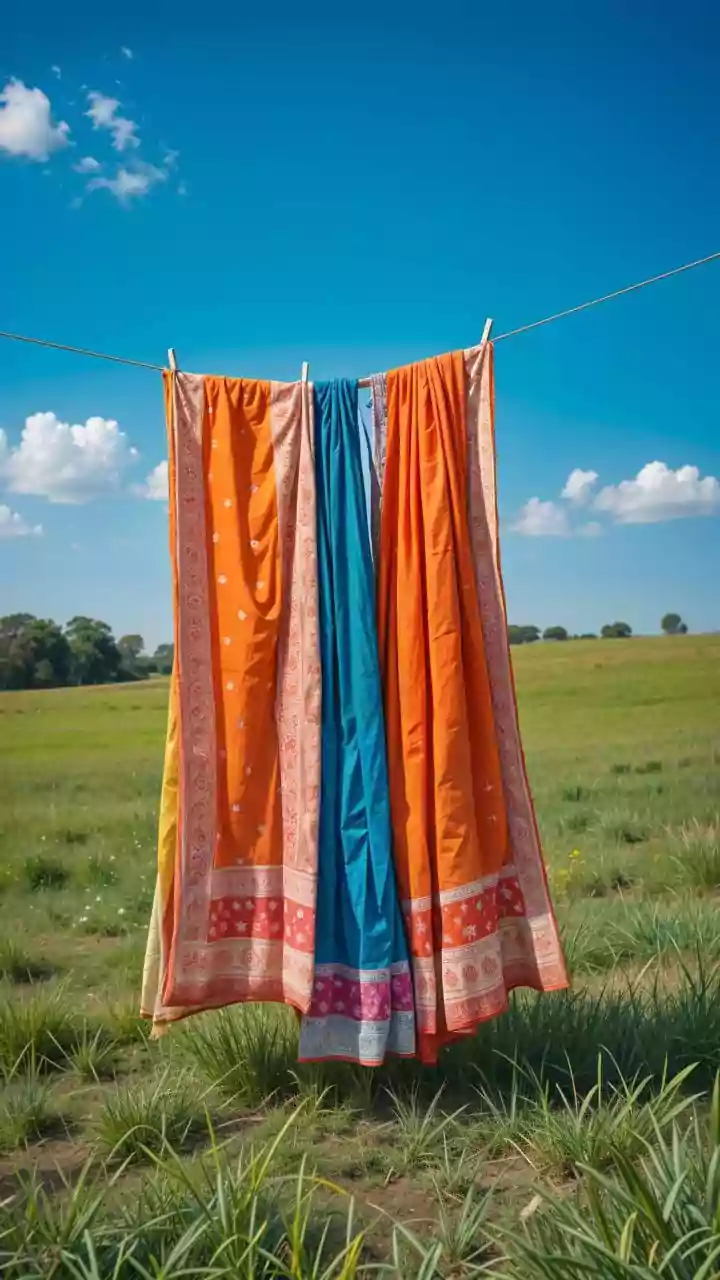
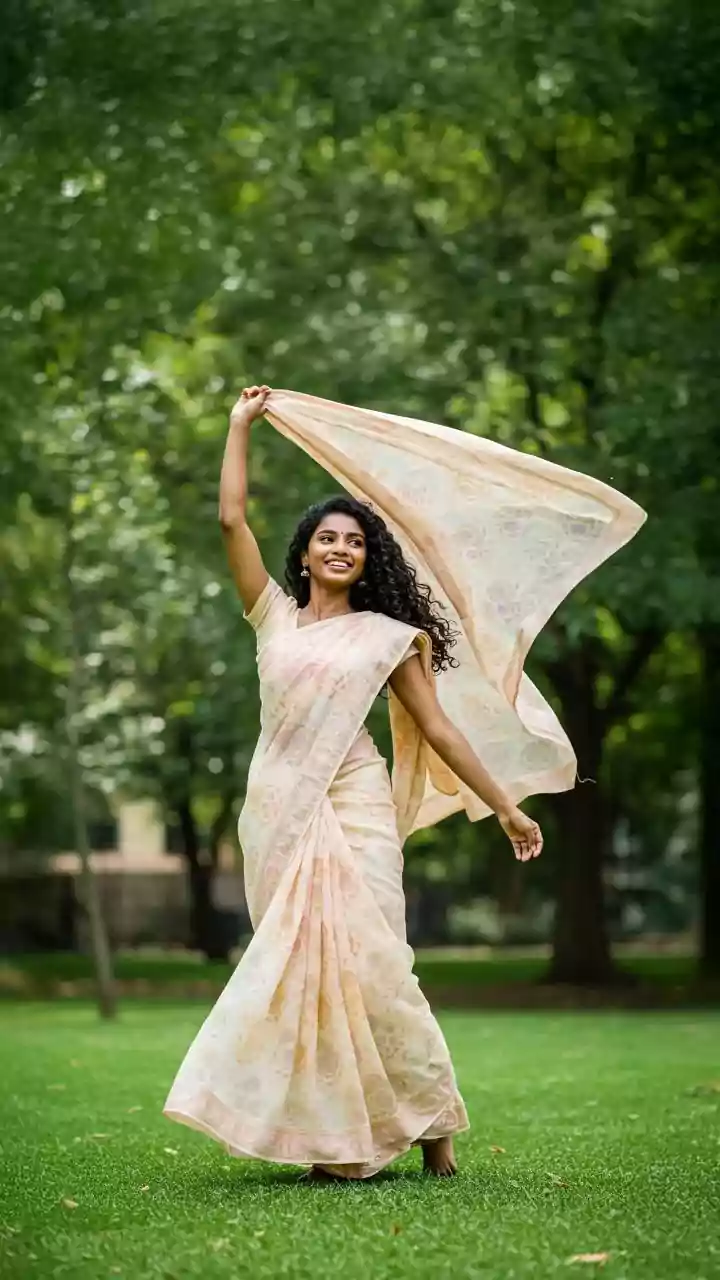
and social impacts of our wardrobes. This means looking beyond just the final garment and considering its entire lifecycle—from the materials used, to the people who made it, and what happens when you're done with it. In India, this modern trend feels deeply familiar. For generations, resourcefulness was a way of life, with old sarees being turned into quilts and clothes being passed down. The current movement is a return to these mindful roots, empowered by new awareness and technology.
Why Now? The Shift Away From Fast Fashion
The conversation around sustainable dressing is getting louder because the noise from fast fashion's 'take-make-dispose' model has become impossible to ignore. Growing awareness about the industry's environmental footprint—from water consumption to landfill waste—has spurred consumers, particularly the younger generation, to seek alternatives. Social media has played a huge role, with influencers and activists educating followers about the real cost of a cheap outfit and promoting ethical choices. The focus is shifting from quantity to quality, from fleeting trends to timeless style, and from mindless consumption to mindful curation. Wastefulness is becoming unfashionable.
Your Guide to a More Conscious Closet
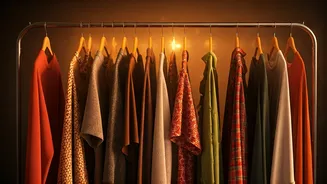
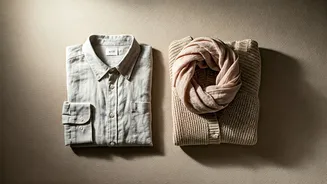
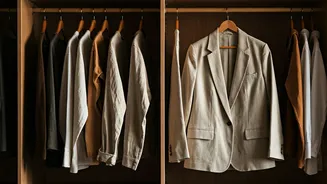
Embracing sustainable dressing doesn't require a complete wardrobe overhaul. It’s about making small, intentional changes. The most sustainable outfit is the one you already own. Before buying anything, try re-styling what you have. But when you do need something new, consider a more circular approach. Thrifting, or buying pre-loved clothes, is booming in India, with bustling offline markets in cities like Delhi and Mumbai and countless online stores on Instagram. This not only saves money but gives a unique garment a second life. Similarly, clothing rental services for occasion wear are gaining popularity, making high-end designer fashion accessible without the commitment of ownership. This circular model—reduce, reuse, recycle—is key to extending the life of clothing and reducing waste.
Championing Indian Craft and Modern Innovation
India is uniquely positioned in the sustainable fashion movement, thanks to its rich textile heritage. There's a powerful revival of handloom fabrics like Khadi, linen, and Ikat, which are naturally eco-friendly. Consumers are increasingly choosing to support local artisans and traditional weaving techniques, which preserves culture while promoting ethical production. Alongside this, innovative brands are using eco-friendly materials like organic cotton, bamboo, and even recycled fibres to create modern silhouettes. Choosing to invest in a handwoven piece or a garment from a transparent, ethical brand is a powerful way to vote for a better fashion future.
Progress, Not Perfection
The journey into sustainable dressing is a personal one, and it's not about being perfect. The high cost of some sustainable brands can be a barrier, but the movement’s core principle is to buy less, and buy better when you can. Simple acts like repairing a torn garment, swapping clothes with friends, or upcycling an old saree into a new kurta are all part of the sustainable mindset. It's about being more intentional with your choices and finding joy in a wardrobe that reflects your values as well as your personal style. Every small, conscious decision adds up to create a big impact.