





The Digestive Discomfort Dilemma
One of the most common reasons people are leaving whey behind is digestive distress. Whey is a byproduct of milk, and it contains lactose. An estimated 65% of the global population has a reduced ability to digest lactose after infancy, leading to symptoms
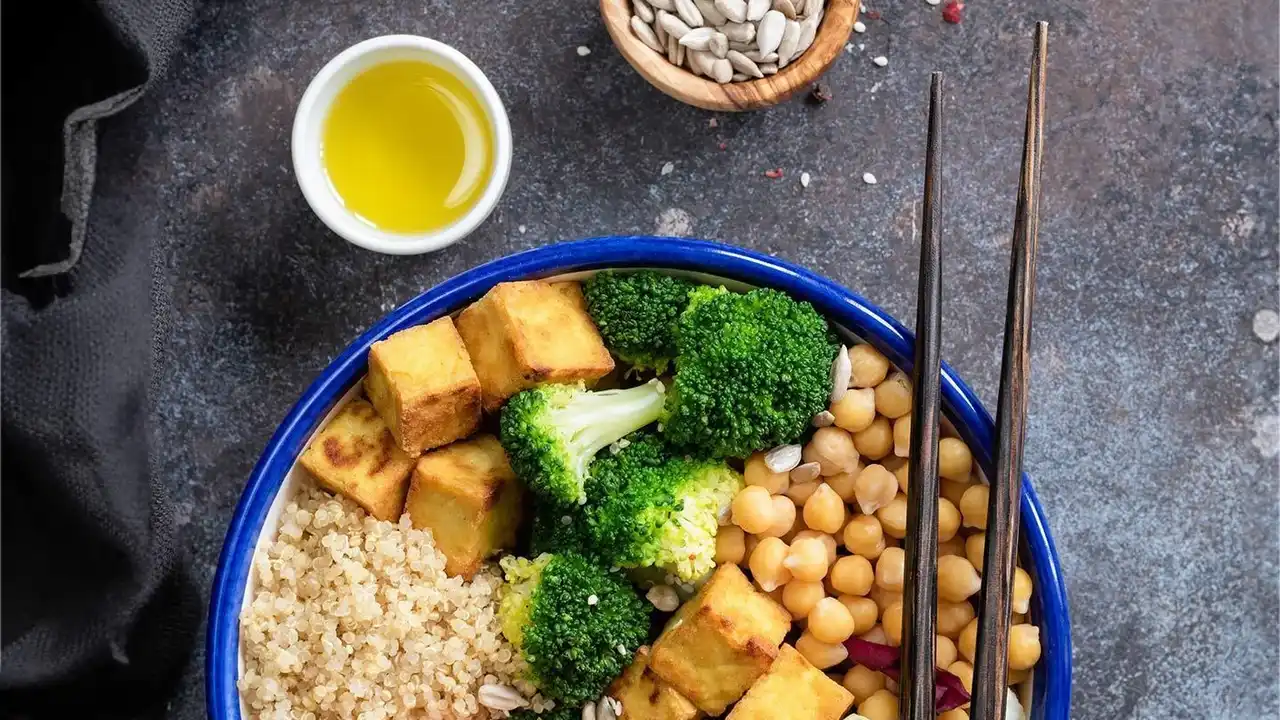
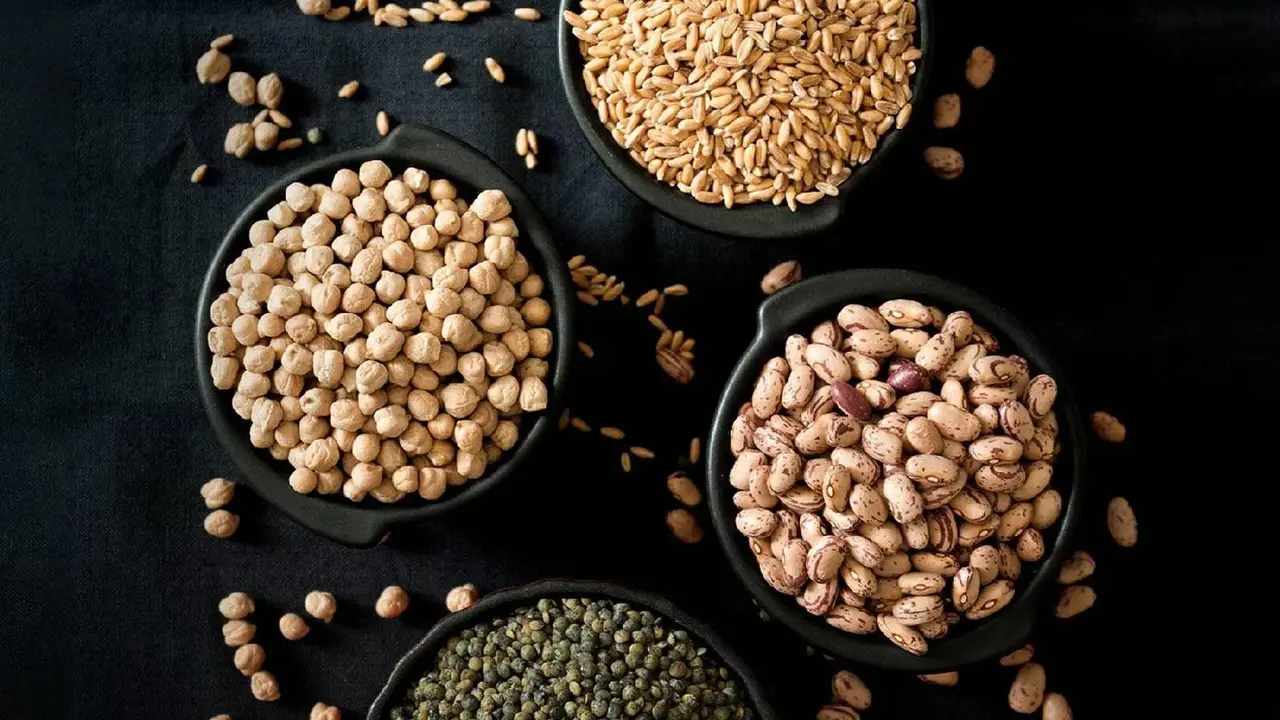
like bloating, gas, and stomach cramps after a whey protein shake. Even for those who aren't severely intolerant, whey can feel heavy and cause discomfort. Plant-based proteins, derived from sources like peas, rice, and hemp, are naturally dairy-free and are often described as being gentler on the stomach. Many also contain dietary fiber, which can aid digestion and promote good gut health.
Is Plant Protein as Good for Muscle Growth?
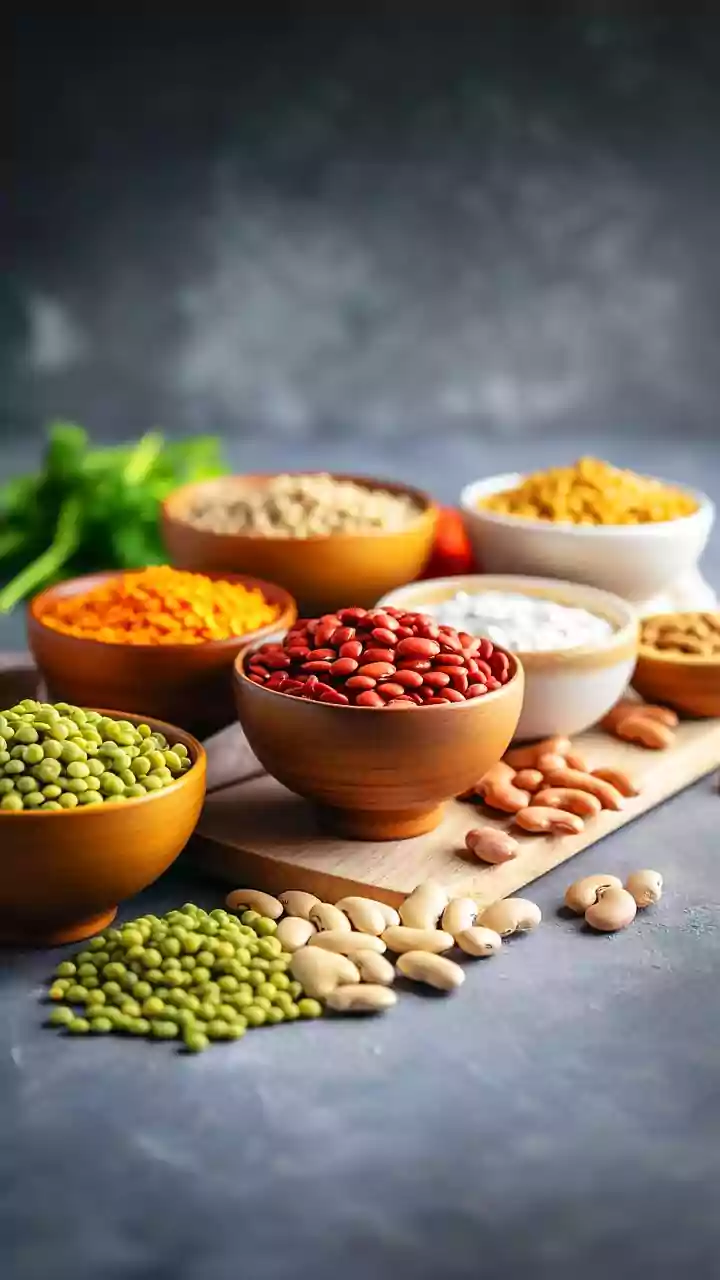
For any serious fitness enthusiast, the main question is: does it work? Whey has long been the gold standard because it's a 'complete' protein with all nine essential amino acids, particularly high in leucine, which triggers muscle building. For years, plant proteins were seen as inferior because many individual sources are 'incomplete'. However, modern plant-based powders solve this by blending different sources, such as pea and rice protein, to create a complete and robust amino acid profile. Studies have shown that when protein and amino acid content are matched, plant-based and whey proteins are equally effective for muscle growth and recovery. While whey may be absorbed slightly faster, the end results in muscle gain and strength are comparable, as long as daily protein goals are met.
More Than Just Protein
Another factor driving the switch is the broader nutritional profile of plant proteins. While whey is primarily an isolated protein, plant-based powders often come with additional health perks. They can be rich in micronutrients like vitamins, minerals, and antioxidants that are naturally present in the plant source. They are also typically higher in fiber, which contributes to feeling fuller for longer—a potential benefit for those managing their weight. In contrast, some whey products can contain artificial hormones, antibiotics, or additives from the dairy production process, along with concerns about heavy metals in some brands, leading health-conscious consumers to seek what they perceive as a cleaner alternative.
The Environmental and Ethical Edge
For a growing number of consumers, the choice extends beyond personal health to the health of the planet. Dairy farming has a significant environmental footprint, requiring more land and water and producing higher levels of greenhouse gases compared to plant agriculture. Plant-based protein production is generally considered more sustainable. Choosing a protein powder derived from peas or rice aligns with a desire to reduce one's environmental impact. Ethical considerations about animal welfare in the dairy industry are also a powerful motivator for many who decide to make the switch from an animal-based to a plant-based supplement.