
A Tale of Two Textures
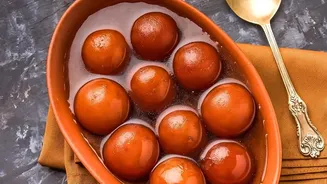
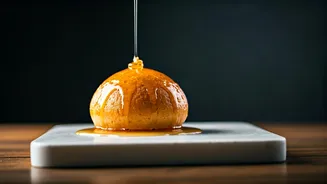
First, let's break down the dish. At its core, it’s a spin on the popular Bengali dessert, Baked Rosogolla. Traditionally, this involves squeezing the sugar syrup from classic rasgullas, placing them in a dish, and baking them in a thickened, sweetened
milk mixture like rabri until a caramelized layer forms on top. The result is a warm, creamy, and comforting dessert. The viral trend takes this a step further. After the rasgullas are nestled in their creamy sauce, they are covered with a layer of grated cheese—often mozzarella—and then baked. This creates a fascinating hybrid: the sweet, spongy texture of the rasgulla and the creamy sauce underneath, contrasted with a savoury, stretchy, and golden-brown cheese topping. It's a sweet-and-savoury combination designed to surprise the palate.
The Viral Recipe for Success
The rise of Baked Rasgulla and Cheese is a textbook example of modern food trends, which are increasingly driven by social media. Its popularity isn't just about taste; it's about visual appeal and talk value. The 'cheese pull' is one of the most powerful visual hooks in the world of online food content, instantly making a dish look indulgent and desirable. Furthermore, the sheer audacity of combining a beloved traditional sweet with savoury cheese creates controversy. For every person intrigued, another is horrified, and both reactions fuel engagement. Clicks, comments, shares, and stitches—the metrics of viral fame—skyrocket when a dish is polarizing. This digital footprint pushes the trend into more feeds, creating a cycle of curiosity and discovery that restaurants and home cooks are quick to capitalize on.
An Evolution, Not an Anomaly
While cheese on rasgulla might seem like a sudden, bizarre invention, it's part of a long tradition of culinary experimentation. Indian sweets have been evolving for centuries. Rasgulla itself has seen numerous variations, from being soaked in kheer to being infused with chocolate or orange. The concept of baked rasgulla has been popular in Kolkata for years, often credited to sweet makers like Balaram Mullick. This latest cheesy version is simply the next step in the ongoing fusion trend that has given us Gulab Jamun Cheesecake and Masala Chai ice cream. These dishes cater to a generation of diners who are confident in their culinary identity and open to playful, 'newstalgic' concepts that blend familiar tastes with modern formats.
Genius or Sacrilege?
The court of public opinion is deeply divided. Food purists often view such creations as an attack on tradition, arguing that classic recipes should be preserved, not altered. For them, the delicate sweetness of a rasgulla has no business mingling with the salty tang of cheese. They see it as a gimmick, a dish made for the camera rather than the palate. On the other side are the culinary adventurers. They argue that food is a dynamic, living culture that should be allowed to evolve. They point out that many of today's 'traditional' foods were once radical innovations. For this camp, Baked Rasgulla with Cheese is a fun, delicious, and creative experiment. They champion the idea that if it tastes good, it is good, regardless of convention. This debate itself has become a key part of the trend's online dominance.