







The Protein Gram Obsession
In the world of fitness and nutrition, tracking macronutrients has become a common practice. At the center of this is often a fixation on one number: total daily protein intake. We see it on food labels, in diet plans, and across social media—the drive
to consume a specific number of protein grams per day to build muscle, lose weight, or simply stay healthy. This approach, while simple, overlooks a crucial aspect of nutrition. It assumes that all protein is created equal and that the number on the package directly translates to the amount your body can actually use. However, the journey of protein from your plate to your muscles is far more complex than just a numbers game.
Beyond the Grams: Meet Amino Acids
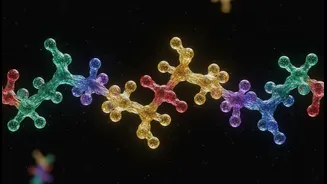
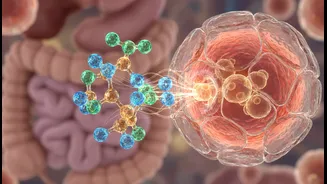
To understand why absorption is key, we first need to look at what protein is made of. Proteins are large, complex molecules constructed from smaller units called amino acids. Think of them as the building blocks of the body; they are essential for everything from muscle repair and tissue growth to producing hormones and enzymes. Your body requires 20 different amino acids to function properly. Of these, nine are deemed "essential amino acids" because your body cannot produce them. You must get them from the food you eat. When you consume protein, your digestive system breaks it down into these individual amino acids, which are then absorbed into your bloodstream and put to work. Therefore, the ultimate goal of eating protein isn't just to consume the protein itself, but to supply your body with the essential amino acids it needs.
Not All Protein Is Created Equal
This is where the concept of bioavailability comes in. Protein bioavailability refers to how well your body can digest, absorb, and utilize the amino acids from a protein source. Two different foods might each contain 20 grams of protein, but the amount your body can actually absorb and use from each can vary dramatically. Factors like the food source, cooking methods, and what you eat with it all influence this process. Animal-based proteins like eggs, dairy, meat, and fish are generally considered highly bioavailable, as their amino acid profiles are similar to our own and they are easily digested. They are also "complete proteins," meaning they contain all nine essential amino acids in the right proportions. Many plant-based proteins, on the other hand, are "incomplete," lacking one or more essential amino acids. They may also contain anti-nutritional factors that can reduce their digestibility.
Why Absorption Is the Real MVP
Focusing on amino acid absorption shifts the goal from quantity to quality. If your body can't effectively break down and absorb the protein you eat, those grams are not contributing to muscle protein synthesis—the process of repairing and building muscle tissue. A deficiency in even one essential amino acid can become a bottleneck, limiting your body's ability to use the others, regardless of how much total protein you've eaten. The rate of absorption also matters. Faster-absorbing proteins, like whey, can create a rapid spike in blood amino acid levels, which is particularly effective for stimulating muscle repair right after a workout. Slower-absorbing proteins provide a more sustained release, which can be beneficial at other times. By understanding absorption, you can strategically choose protein sources to match your body's needs at different times of the day, leading to better recovery, improved muscle growth, and more efficient use of the nutrients you consume.
Putting It Into Practice
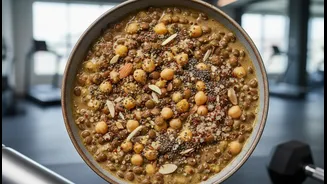
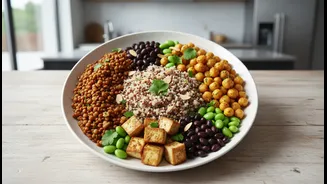
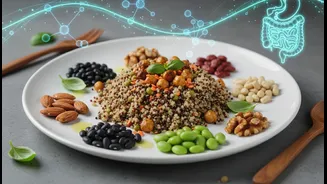
You don't need a science lab to start focusing on absorption. The key is to prioritize high-quality, bioavailable protein sources. Animal products like eggs, lean poultry, fish, and Greek yogurt are excellent choices. For those on plant-based diets, it's important to combine different protein sources to create a complete amino acid profile. Classic pairings like rice and beans or hummus and whole-wheat pita work because they complement each other's amino acid deficiencies. Certain plants, like soy, quinoa, and buckwheat, are notable for being complete proteins on their own. Additionally, simple habits like chewing your food thoroughly and eating in a relaxed state can aid digestion. Consuming protein with some carbohydrates can also help, as the resulting insulin release can assist your muscles in absorbing amino acids.