
Gurudongmar Lake, Sikkim: The High-Altitude Marvel
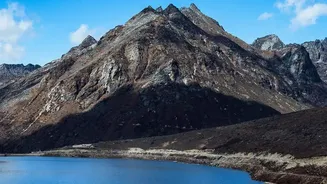
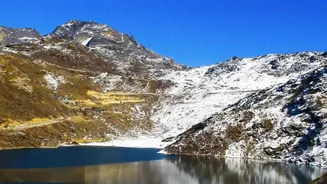
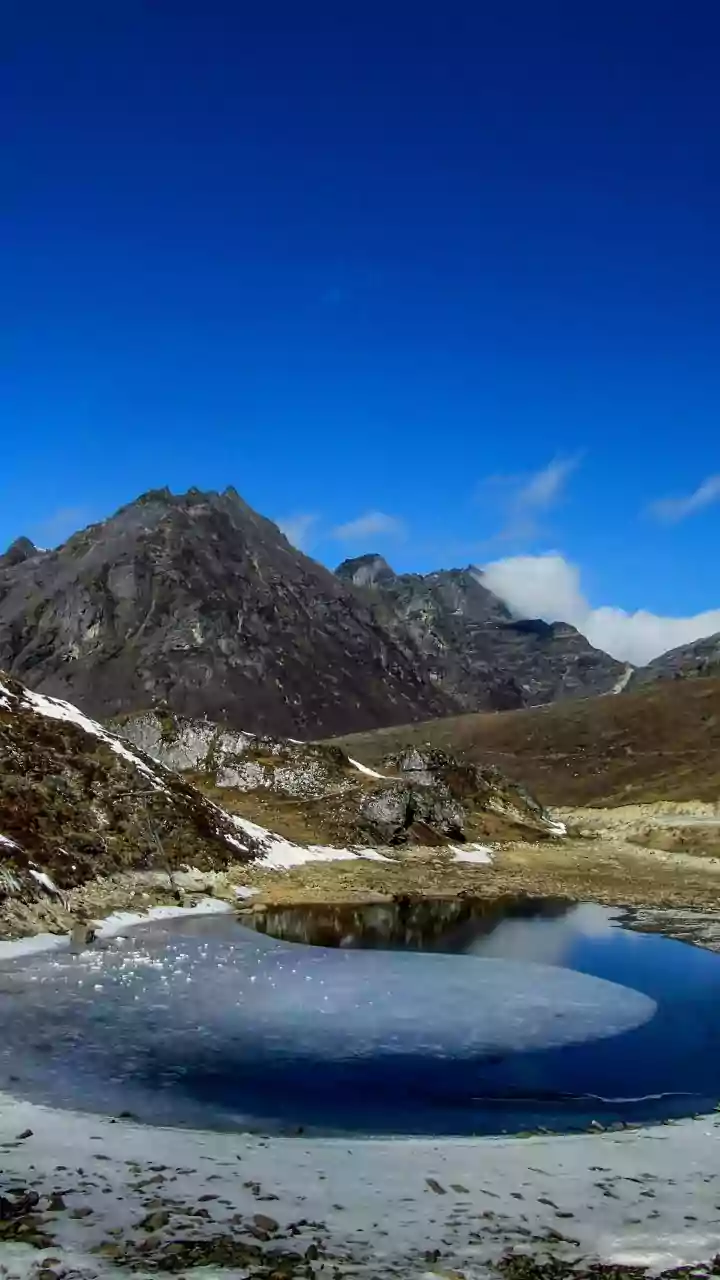
Perched at a breathtaking altitude of over 17,000 feet in North Sikkim, Gurudongmar Lake is one of the highest lakes in the world. For photographers, its allure lies in its surreal, almost lunar landscape. The crystal-clear turquoise water is set against
a backdrop of barren, snow-dusted mountains under a piercingly blue sky. The best time for photography is during the spring and autumn months, like April to June and October to November, when the weather is clearer. Early morning light offers the most spectacular views, casting a magical glow on the peaks and their reflections in the partially frozen water. The play of light, the vibrant prayer flags, and the stark, expansive scenery provide a powerful and spiritual canvas.
Tsomgo Lake, Sikkim: The Glacial Mirror
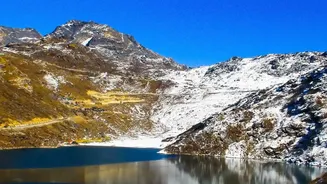
Also known as Changu Lake, Tsomgo is a glacial wonder located about 40 kilometres from Gangtok. Nestled at 12,400 feet, the lake is famed for its changing colours and dramatic reflections. In spring, it’s a deep blue-green surrounded by blooming rhododendrons, while in winter it transforms into a frozen white expanse. Photographers should aim to visit mid-morning, just after the sun has risen over the surrounding ridges but before clouds typically roll in. This window offers the best chance for still water, creating a perfect mirror for the snow-capped mountains. The colourful yaks adorned with bells by the lakeside also offer vibrant, culturally rich photo opportunities against the serene backdrop.
Umiam Lake, Meghalaya: The Pine-Framed Reservoir
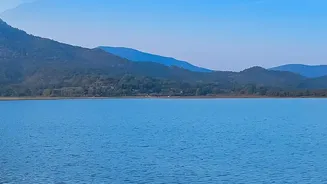
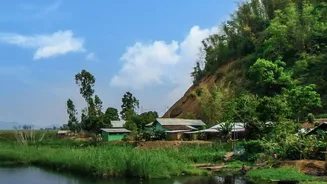
Often called Barapani or 'big water', Umiam Lake near Shillong is a vast man-made reservoir that looks like a slice of the Scottish Highlands in Meghalaya. Surrounded by rolling Khasi hills covered in pine forests, the lake offers a different kind of beauty. Photographers will appreciate the numerous viewpoints along the Guwahati-Shillong highway that provide panoramic vistas of the water curving through the hills. Early morning is magical here, as mist often blankets the water's surface, creating layered, atmospheric shots. Late afternoon light is also excellent, casting a warm, golden glow on the pine trees and the tranquil water. The sheer scale of the lake, dotted with small boats, provides endless compositions for landscape lovers.
Loktak Lake, Manipur: The Floating World
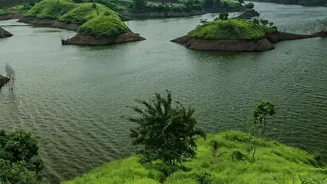
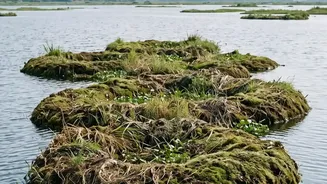
Loktak Lake is the largest freshwater lake in Northeast India and home to a truly unique phenomenon: 'phumdis'. These are floating islands of vegetation, soil, and organic matter, on which local fishermen build their huts. From a photographic perspective, Loktak is a dream. The circular patterns of the phumdis, the solitary huts, and the fishermen navigating their boats through narrow channels create a captivating visual narrative. For the best views, head to a viewpoint on a nearby hill to capture the vast, patterned landscape. The lake is also home to Keibul Lamjao, the world's only floating national park, where the endangered Sangai or 'dancing deer' can be spotted.
Sela Lake, Arunachal Pradesh: The Paradise Pass
Located near the high-altitude Sela Pass on the route to Tawang, Sela Lake is often called 'Paradise Lake' for its stunning beauty. Surrounded by snow-covered peaks for most of the year, its crystal-clear blue waters perfectly reflect the Himalayan landscape. In winter, the lake often freezes over, creating a starkly beautiful, icy scene. The raw, untouched feel of the landscape is its biggest draw for photographers. The combination of the dramatic mountain pass, the serene lake, and the colourful Buddhist prayer flags that flutter in the wind offers a composition that is both grand and peaceful. The journey to the lake is as photogenic as the destination itself, with winding roads and breathtaking views at every turn.