




More Than Just Leaving Bootprints
When we think of contamination, we might picture leftover equipment or trash. But for scientists, the real concern is far more subtle and pervasive. Contamination on the Moon comes in two primary forms: biological and chemical. Biological contamination involves
microbes like bacteria and fungi hitching a ride on astronauts and their spacecraft. A recent NASA-led study published in August 2026 found that some hardy Earth microbes, like the common fungus Aspergillus niger, could temporarily survive in the cold, shadowed regions of the lunar south pole. While they are unlikely to grow or reproduce, their mere presence—even in a dormant state—can corrupt scientific samples. This could make it incredibly difficult to determine if any organic molecules found are genuinely lunar or just microscopic stowaways from home.
The Chemical Footprint of Arrival
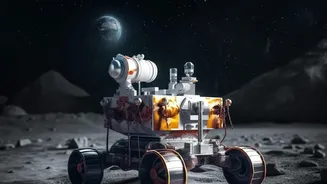
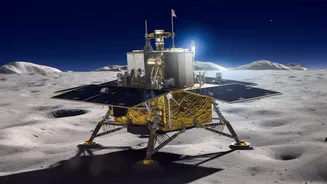
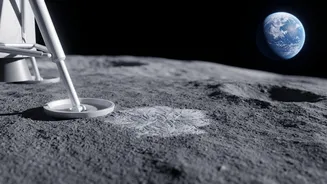
The other major threat is chemical contamination from the spacecraft themselves. Lunar landers use powerful engines to slow their descent, and their rocket exhaust releases significant amounts of chemicals, including water and methane. Because the Moon has virtually no atmosphere, these exhaust molecules don't disperse as they would on Earth. Instead, they can travel vast distances in ballistic 'hops,' eventually settling across the lunar surface. Recent simulations show that methane released during a landing near the south pole could reach the north pole in less than two months. This is a huge problem because these chemicals can become trapped in the same permanently shadowed regions where scientists hope to find pristine, ancient water ice.
Preserving a Scientific Time Capsule
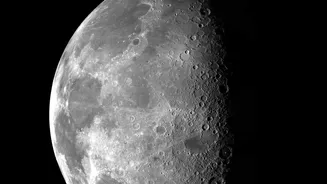
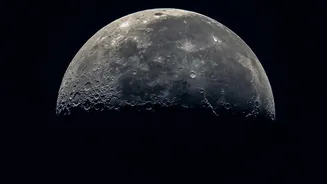
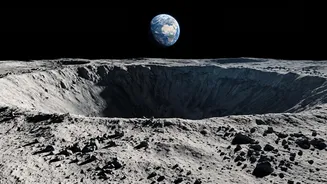
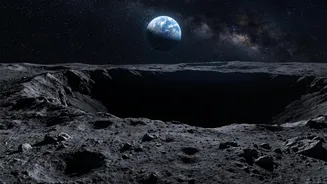
The Moon's permanently shadowed regions (PSRs) are unique scientific treasures. Located in deep craters near the poles that never see sunlight, these areas are incredibly cold and have acted as natural freezers for billions of years. Scientists believe they may hold a frozen record of the early solar system, including water ice and organic compounds that could offer clues about the origin of life on Earth. If these pristine sites are contaminated by rocket exhaust or Earth microbes, we could lose the ability to study this ancient history forever. It's like trying to analyze an ancient fossil after someone has spilled their lunch on it—the original data becomes hopelessly compromised. NASA has even designated these PSRs as "sensitive locations" to emphasize the need for their protection.
A Strategy for a Cleaner Moon
Recognizing these risks, NASA and other space agencies are developing new strategies for contamination control. For biological threats, this involves strict planetary protection protocols. While crewed missions can't be sterilized with extreme heat like robotic probes, procedures for cleaning hardware and managing waste are critical. The recent findings about microbial survival will likely lead to even stricter biosecurity rules for Artemis missions. To combat chemical contamination, engineers are exploring new landing technologies and trajectories. Some research suggests that landing at colder sites could help reduce how far exhaust gases travel. Ultimately, the goal is to create a set of best practices, much like the regulations that protect sensitive environments like Antarctica on Earth, to ensure that lunar exploration is sustainable. This means carefully documenting what we bring to the Moon so future scientists can distinguish between terrestrial contamination and genuine lunar discoveries.