






An Opportunity for Growth
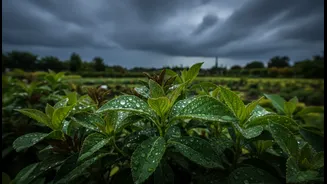
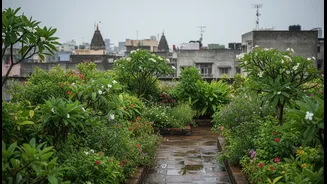
The monsoon, typically lasting from June to September, is a blessing for gardeners. The cooler temperatures, which usually range from 20°C to 28°C, and high humidity create the perfect environment for plants to establish themselves and grow vigorously.
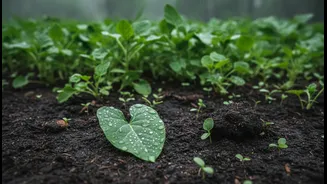
This period is ideal for sowing seeds, planting new saplings, and even propagating existing plants from cuttings, as the moisture in the air helps roots develop faster. For many tropical plants, the natural watering and reduced heat stress lead to a visible burst of life and lush growth that's hard to achieve in the dry summer months.
Choosing Your Monsoon Champions
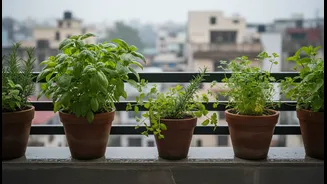
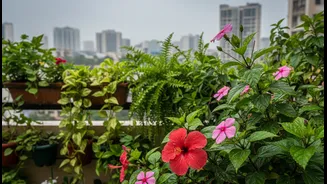
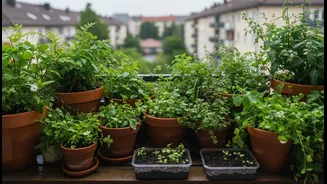
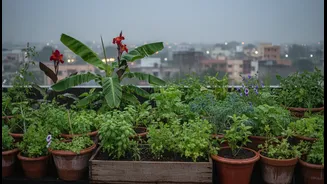
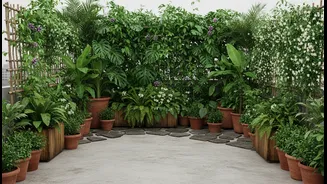
Success starts with selecting the right plants. Not all species appreciate the constant dampness. Opt for those that thrive in high humidity. Flowering plants like hibiscus, bougainvillea, and jasmine are excellent choices, as the increased moisture often encourages more vibrant blooms. For those with shadier balconies, foliage plants are your best bet. Coleus, with its stunningly colourful leaves, loves the monsoon conditions. Other reliable options include areca palms, money plants, and peace lilies, which adapt well to the humid environment. If you enjoy kitchen gardening, this is the perfect time to plant herbs like mint and tulsi, or vegetables like okra, beans, and various gourds.
Rethinking Your Watering Routine
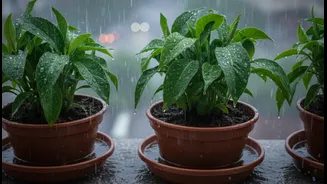
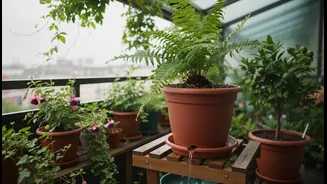
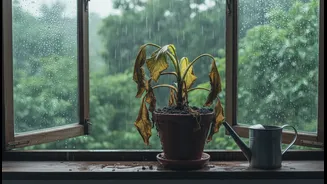
The single biggest mistake balcony gardeners make during the monsoon is overwatering. With daily showers, your plants will need significantly less manual watering. The rule is simple: check the soil before you water. If the top inch is damp, leave it alone. Rainwater is fantastic, but constant saturation is deadly, leading to root rot, the most common plant killer during this season. Ensure every pot has clear drainage holes. If pots are sitting on the floor, elevate them slightly with bricks or pot feet to allow excess water to escape freely. Also, make sure to empty any water that collects in the saucers beneath your pots.
Soil, Drainage, and Potting
The right soil mix is crucial for surviving the monsoon. Heavy, clay-based soils retain too much water and can suffocate roots. A well-draining potting mix is non-negotiable. A good combination is garden soil or cocopeat, compost, and a material like perlite or coarse sand to improve aeration and drainage. If you're planning to repot any plants, the monsoon is an excellent time to do it. The high humidity helps plants recover from the shock of being moved much faster than in hot, dry weather.
Guarding Against Pests and Diseases
High humidity and wet leaves create a breeding ground for fungal diseases like powdery mildew, leaf spot, and root rot. Good air circulation is your first line of defence. Avoid crowding your plants too closely together; give them space to breathe so foliage can dry between showers. Regularly inspect your plants, especially the undersides of leaves, for any signs of trouble like spots, stickiness, or pests like mealybugs and aphids. A preventive spray of neem oil solution every 10-14 days can be a highly effective, organic way to keep most common monsoon pests and fungal issues at bay.
Special Care for Balcony Spaces
Balconies, especially on higher floors, can be exposed to strong winds that accompany monsoon rains. These gusts can topple top-heavy pots or damage delicate stems. Consider moving smaller or more fragile plants to a more sheltered spot. Staking taller plants can provide the support they need to withstand the wind. For very delicate flowering plants like roses or petunias, it might be best to move them to a covered area where they receive light and humidity without being battered by direct, heavy rain, which can damage their petals.