





From Annoyance to Action
We've all been there: an important call drops, voices turn robotic, or one side of the conversation goes silent. These everyday annoyances are precisely what the Telecom Regulatory Authority of India (TRAI) aims to tackle with its MyCall application.
First launched in 2017, the app was designed to let consumers report their calling experience directly to the regulator. Now, TRAI has rolled out a significantly revamped version, effectively creating a new application under the old name to better address user feedback and modern technology. The goal is to move beyond just technical metrics and capture the real-world Quality of Experience (QoE) of over a billion subscribers in India.
What's New in the Revamped App?
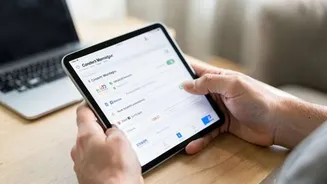
The updated MyCall app introduces several powerful features designed for ease of use and richer data collection. After a call, users are prompted to give an instant one-to-five-star rating. Beyond a simple rating, you can report specific issues like call drops, echo, audio delays, or poor connection. A major addition is an interactive map that visualises your feedback history, providing a personal log of network performance in different locations. The app also includes a new 'Coverage Test' feature that lets you assess signal strength wherever you are. The revamp also fixed compatibility issues the older app had with newer Android versions and features multilingual support.
Your Feedback, National Data
The real power of the MyCall app lies in crowdsourcing. Each time a user rates a call, they are contributing a small piece to a massive, nationwide dataset. This anonymised data is shared with both TRAI and the telecom service providers (TSPs). For telecom companies, this provides a direct line to identifying specific trouble spots—like a weak tower in a particular neighbourhood or call drops along a certain highway—allowing them to undertake targeted network optimisation. For TRAI, the aggregated data offers a ground-level view of service quality that complements its more technical Quality of Service (QoS) monitoring, which involves things like drive tests and other formal checks.
The Bigger Picture: A Tool for Transparency
The data collected doesn't just disappear into a server. As stated by TRAI Chairman Anil Kumar Lahoti, the initiative is part of a broader push towards a more consumer-centric and data-driven approach to regulation. While the feedback won't be used for direct punitive action against telecom operators, it provides an undeniable evidence base of customer experience. This public-facing data creates transparency and can pressure providers to improve services in areas where aggregated user feedback shows persistent problems. Essentially, the MyCall app, alongside its siblings like MySpeed (for internet speeds) and DND (for spam), turns the consumer's device into a monitoring tool, making network performance a matter of public record.
Empowering Every Mobile User
Ultimately, the story of the revamped MyCall app is about empowerment. It provides a simple, direct channel for users to voice their experiences in a way that contributes to a larger solution. Instead of just complaining to friends or on social media, users can log their issues in a format that is actionable for both the regulator and the service provider. By participating, every mobile user in India can play a role in highlighting network deficiencies and pushing for better overall service quality. While the app is currently available for Android users, TRAI has stated it is working to bring it to iOS devices as well. It's a reminder that in the digital age, collective user data can be a powerful force for change.