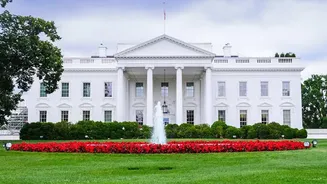








A cascade of recent, high-profile technology failures across U.S. government and private sector systems has left many Americans on edge. The White House, however, is adamant that these are unrelated incidents, not a coordinated attack.
A Week of Widespread Disruptions
The string of outages
created significant disruptions across the country. In mid-November, the Federal Aviation Administration (FAA) was forced to issue a nationwide ground stop for several hours, causing thousands of flight cancellations and delays. This was followed by an outage of the National Security Agency's (NSA) internal classified communications network, NSANet. Concurrently, the private sector was also hit, with customers of major companies like Microsoft, JPMorgan Chase, United Airlines, and Apple experiencing service interruptions that affected everything from work email to banking and travel. This rapid succession of failures at critical institutions naturally fueled public concern and speculation about a potential coordinated cyberattack.
The Official Position: A Series of Coincidences
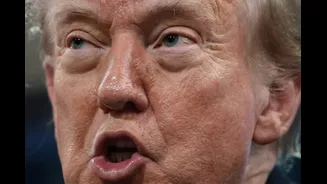
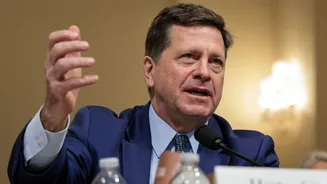
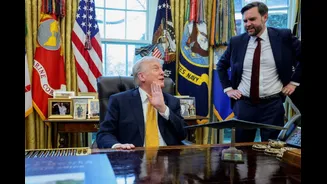
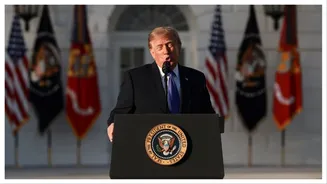
Top administration officials have been unified and clear in their messaging: there is no evidence to suggest the outages are connected or the result of malicious activity. Secretary of State Marco Rubio and Director of National Intelligence (DNI) Jay Clayton have both publicly stated that investigations show 'zero evidence' of a cyberattack from a hostile actor or nation-state. The official explanation points to a series of unfortunate, but separate, technical problems. These include a router glitch at the FAA, a software bug at JPMorgan Chase, and issues stemming from routine maintenance or capacity upgrades at Microsoft and the NSA. President Trump characterized the events as the unfortunate but expected byproduct of widespread system upgrades, stating, 'when they upgrade, bad things happen'.
Aging Infrastructure and Urgent Upgrades
According to DNI Jay Clayton, the spate of failures is a predictable, if unwelcome, consequence of a long-overdue push to modernize America's digital infrastructure. He explained that many government and private systems are dated and now undergoing necessary patches and upgrades to defend against new vulnerabilities, including those that can be exploited by AI. This mass-upgrade effort means more systems are being taken offline for maintenance than ever before. When these complex procedures encounter unexpected problems, the result can be service interruptions. This view is echoed in an opinion piece that highlights an exodus of federal tech talent in recent years, which may have made government systems harder to maintain and protect. The President specifically noted the FAA's equipment is 'ancient' and in need of a complete overhaul, not just piecemeal repairs.
Scrutiny and a Path Forward
Despite official reassurances, the incidents have prompted calls for greater transparency and accountability from both sides of the political aisle. A bipartisan pair of senators sent a letter to the DNI calling for a review to identify and fix vulnerabilities in the nation's infrastructure. The White House has responded to the pressure in several ways. In the wake of the outages, the administration launched an 'elite, interagency' task force to ensure air traffic control systems remain stable through the holiday season. More significantly, President Trump fired the national cyber director, Sean Cairncross, stating he didn't think he was 'good enough'. Kirsten Davies, the former Chief Information Officer for the Pentagon, will temporarily take over the role, tasked with leading a new 'America First' cyber strategy to strengthen national security.