




The Romance of the Rails Meets the Call of the Wild
For many, the journey is as much a part of the adventure as the destination. Indian Railways, with its vast and intricate network, offers an affordable and quintessentially Indian way to travel. Solo backpackers are leveraging this to reach the doorsteps
of some of the country's most iconic wildlife sanctuaries. Key railway hubs like Nagpur in Maharashtra and Jabalpur in Madhya Pradesh serve as crucial gateways. From these junctions, reserves like Tadoba-Andhari, Pench, Kanha, and Bandhavgarh are just a few hours away by road. The train journey itself provides a slow, scenic transition from the urban chaos to the tranquil wilderness, allowing travellers to soak in the changing landscapes and connect with fellow passengers. The affordability of sleeper class and AC tiers makes it a budget-friendly option, freeing up funds for safaris and stays.
A New Wave of Indian Solo Travellers
Solo travel is no longer a niche concept in India; it's a booming trend, especially among younger demographics. Reports indicate a significant rise in solo travel interest, with a growing number of Indians seeking independence, flexibility, and self-discovery. This cultural shift is a major driver behind the surge in visits to tiger reserves. The appeal lies in the empowerment and freedom of planning a trip on one's own terms. For many, a solo journey into the wild is not just a holiday but a personal challenge and a chance to reconnect with nature. Travel companies are also catering to this demand with safer, curated experiences for solo travellers, including women-only packages that offer verified transport and secure accommodations.
The Digital Backpacker: Planning at Your Fingertips
Technology has revolutionised how we travel. The daunting logistics of planning a wildlife trip—from booking train tickets on IRCTC to securing safari permits and finding a place to stay—have been simplified by digital platforms. Aspiring visitors can now book their entire trip online, often months in advance. This is crucial, as safari permits for popular parks are limited and get booked out quickly. Moreover, a wealth of information is available through travel blogs, vlogs, and social media, where seasoned backpackers share tips, budget hacks, and detailed guides. This online ecosystem demystifies the process and instills confidence in first-time solo wildlife adventurers. The decoupling of safari bookings from accommodation also provides immense flexibility; travellers can book their safaris first and then choose from a wide range of stays, from budget homestays to eco-resorts.
Central India: The Undisputed Tiger Heartland
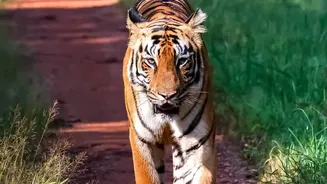
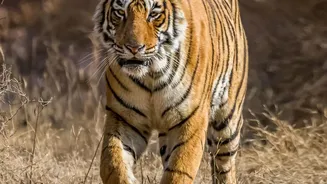
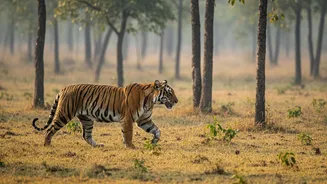
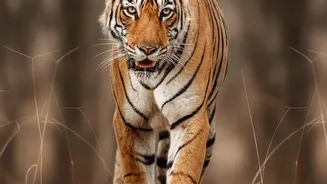
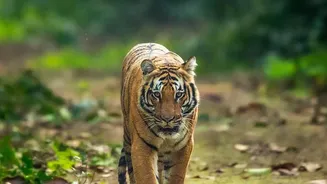
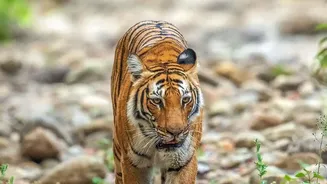
Central India, encompassing parts of Madhya Pradesh and Maharashtra, is home to the country's highest density of tigers. Madhya Pradesh alone is known as the 'Tiger State'. This region offers some of the best opportunities for tiger sightings in the world, a powerful magnet for any wildlife enthusiast. Reserves like Bandhavgarh are renowned for their high tiger density, while Pench is famously the landscape that inspired Rudyard Kipling's "The Jungle Book". The state governments have also made significant efforts in conservation and promoting eco-tourism, creating a welcoming environment for visitors. The development of community-led initiatives, such as homestays, ensures that tourism revenue directly benefits local economies, creating a more sustainable and authentic travel experience.
Improved Connectivity and Future Prospects
Infrastructure development continues to play a key role. While controversial, recent approvals for new railway lines, such as the Itarsi-Nagpur route expansion, aim to enhance connectivity in the region. These projects, though raising ecological concerns, are often cleared with mandates for wildlife mitigation structures like overpasses to ensure animal corridors remain viable. For the solo backpacker, this evolving rail infrastructure promises even better access to remote parks in the future. The combination of direct train routes to nearby towns like Chandrapur and Balharshah for Tadoba, and then a short taxi or bus ride, makes the entire journey manageable and economically viable.