


More Than Just a Niche Market
The demand for plant-based desserts is no longer a fringe movement. Driven by a combination of ethical concerns, health consciousness, and a growing number of people with lactose intolerance, the vegan dessert market is expanding rapidly. For artisanal
gelaterias, this represents a significant commercial opportunity. It's not just about catering to a small group of vegans; it's about appealing to a broader audience of flexitarians and curious foodies. Ignoring this segment means leaving money on the table, as dessert choices are often made to accommodate the most restrictive diet in a group. By offering high-quality dairy-free options, gelaterias can ensure they remain a destination for everyone, turning a potential veto into a profitable sale.
The Science of Traditional Creaminess
To understand the challenge, you first need to appreciate the science of traditional gelato. Its signature dense, spoon-coating texture comes from a precise balance of milk fat, proteins, sugars, and water. Milk fat globules provide richness and mouthfeel, while milk proteins help to stabilise the mixture, preventing the formation of large, crunchy ice crystals. The process of making gelato involves carefully heating and churning these ingredients to create a smooth, emulsified base with less air whipped into it than American-style ice cream. When you remove dairy, you lose the very components that are fundamental to this structure, which is why early vegan frozen desserts were often icy or thin.
A New Toolkit for Texture
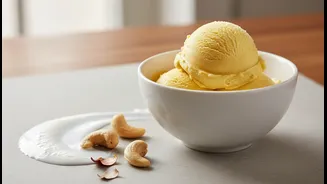
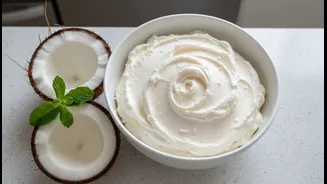
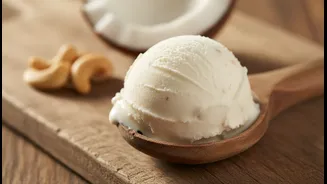
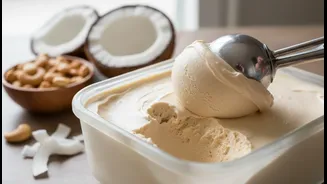
So, how do you replicate that creaminess without cream? Gelato artisans are turning into food scientists, employing a new toolkit of plant-based ingredients. The choice of base is crucial. Full-fat coconut milk is a popular starting point due to its high fat content, which mimics dairy cream. However, it can impart a distinct coconut flavour. For more delicate flavours, many makers now prefer oat milk for its neutrality or cashew milk for its richness and chewiness. To replace the stabilising role of milk proteins, artisans use natural alternatives like guar gum, cornstarch, or carob bean gum. These ingredients, called hydrocolloids, help to bind water and prevent iciness, ensuring a smooth finish. Plant-based fats like refined coconut oil or cocoa butter are also added to enhance the rich mouthfeel.
Mastering the Art of the Blend
Creating premium vegan gelato is more than a simple substitution; it’s an act of rebalancing the entire formula. The goal is to match the 'total solids'—the combination of fat, sugar, and proteins—found in dairy gelato. This requires a deep understanding of how different ingredients interact. For example, since plant-based milks have less fat, artisans might combine a neutral oat milk base with a richer plant-based cream or a carefully selected fat like coconut oil. Sugars also play a critical role, not just for sweetness but for controlling the freezing point to ensure the gelato is soft and scoopable. This technical mastery, blending different plant milks, fats, and stabilisers, is where true artistry lies. It's a complex dance of chemistry and creativity that separates an average sorbet from a truly indulgent vegan gelato.
A Creative Renaissance for Gelato
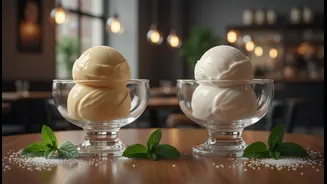
While born from necessity, this pivot to dairy-free has unlocked a wave of innovation. Freed from the dominant flavour profile of dairy, artisans are exploring new and bolder flavour combinations. Strong flavours like dark chocolate, coffee, and acidic fruits often shine even brighter in a vegan base. This has led to the creation of unique gelatos that appeal to all customers, not just those avoiding dairy. The challenge of mastering dairy-free texture has forced a deeper understanding of the craft, pushing gelato makers to become more precise and more creative. The result is a better product for everyone, proving that constraints can often be the mother of invention.