







What Are Cold-Pressed Oils?
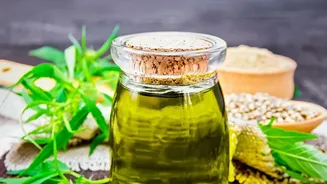
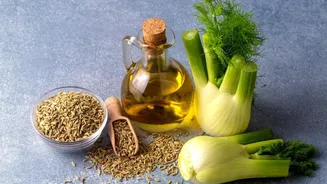
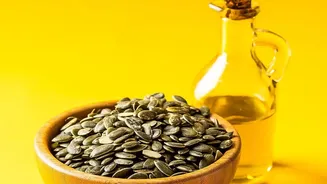
Cold-pressed oils are extracted from seeds or nuts using a mechanical press without high heat or chemical solvents. This gentle, traditional method, sometimes called 'kachi ghani' or wood-pressing, involves crushing the seeds at a low temperature to force
the oil out. The key advantage of this process is that it preserves the oil's natural nutrients, antioxidants like Vitamin E, flavour, and aroma. Common examples in Indian kitchens include cold-pressed mustard, coconut, groundnut, and sesame oils. Because they are less processed, they are rich in healthy monounsaturated (MUFA) and polyunsaturated (PUFA) fats.
Understanding Refined Alternatives
Refined oils are produced on an industrial scale designed for maximum yield and a long shelf life. The process often starts with mechanical pressing but is followed by chemical extraction using solvents like hexane. The crude oil then undergoes several stages of processing at high temperatures, including degumming, neutralizing, bleaching, and deodorizing. This intensive treatment strips the oil of its natural colour, aroma, and, unfortunately, many of its beneficial nutrients, including antioxidants and vitamins. While this makes the oil neutral in taste and more stable, it leaves behind a nutritionally emptier product.
The Heart Health Showdown
When it comes to heart health, the differences are significant. Cold-pressed oils retain their natural antioxidants and healthy fats, which support cardiovascular wellness. For instance, cold-pressed mustard oil is prized for its ideal ratio of omega-6 to omega-3 fatty acids, which helps reduce inflammation. These oils are generally higher in MUFAs and PUFAs, which are known to help lower 'bad' LDL cholesterol. In contrast, the high-heat refining process can alter the chemical structure of fats, sometimes creating trans fats, and destroys many of the naturally protective compounds. While some refined oils like canola are marketed as heart-healthy due to low saturated fat, they lack the rich profile of antioxidants found in their cold-pressed counterparts.
Smoke Point: A Practical Consideration
One area where refined oils have a distinct advantage is their smoke point—the temperature at which an oil begins to break down and smoke. The refining process removes impurities, giving these oils a higher smoke point, making them suitable for high-heat cooking methods like deep frying. For example, refined sunflower oil has a smoke point of around 232°C, while cold-pressed sunflower oil's is much lower. Using a cold-pressed oil above its smoke point is not recommended, as the heat can destroy its delicate nutrients and create harmful compounds. Cold-pressed oils are therefore best for sautéing at low-to-medium heat, drizzling over finished dishes, or making dressings.
Making the Right Choice for Your Kitchen
The best approach is not to exclusively use one type of oil but to choose the right oil for the right job. For everyday cooking like preparing sabzis, tadkas, or sautéing, a cold-pressed oil like mustard, groundnut, or sesame is an excellent, nutrient-rich choice. Their robust flavours can also enhance your dishes. For deep frying or other high-temperature cooking, a refined oil with a high smoke point is a more stable option. However, for maximum health benefits in daily meals, cold-pressed oils are nutritionally superior. Many experts also suggest rotating different types of healthy oils to get a wide range of beneficial fatty acids.