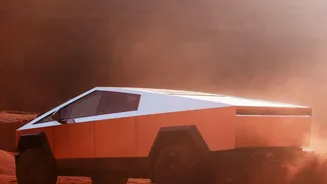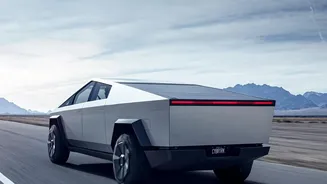






In a surprising reversal, Elon Musk announced that Tesla will extend production of its polarizing Cybertruck. This comes just days after news that the company planned to wind down the line, signaling another pivot in the vehicle's turbulent history.
An End Date, Extended
Tesla
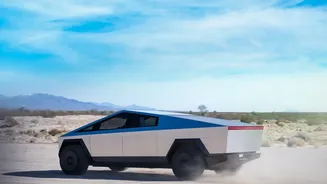
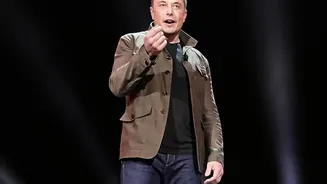
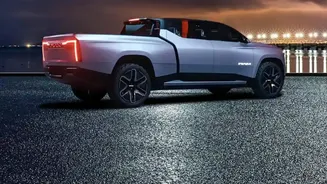
CEO Elon Musk has confirmed that production of the Cybertruck will now continue through the end of summer 2027. This update extends the previously announced plan to halt production around the middle of the year. The stated reason for the extension is to work through more of the existing order backlog, a move Musk described on social media as not the 'smartest move from a profit-maximizing standpoint' but one that allows 'some room in this world for sentimentality'. The decision followed backlash from customers who were concerned their long-held orders would be cancelled. Despite the extension, Musk had previously noted that the company's production rate is far exceeded by the number of orders and that many deposits would likely need to be returned.
A Troubled Production History
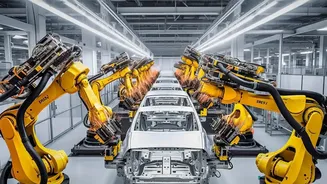
The Cybertruck's journey from a dramatic 2019 unveiling to the assembly line has been fraught with challenges. The initial production target of late 2021 was repeatedly pushed back, first to 2022 and then to 2023, with Musk citing supply chain issues. The first deliveries finally commenced in November 2023, four years after it was first shown. Even then, Musk acknowledged the immense difficulty of scaling production, famously stating, 'We dug our own grave with Cybertruck'. The truck's unconventional stainless-steel exoskeleton and unique design created significant manufacturing hurdles that have persisted throughout its run. Since launch, the vehicle has been subject to at least 11 recalls for issues ranging from accelerator pedals to exterior panels.
Pivoting to the Cybercab
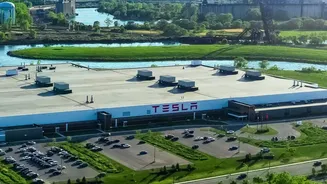
The plan to eventually end Cybertruck production is driven by Tesla's shifting priorities toward the Cybercab, a two-seat autonomous vehicle central to the company's robotaxi ambitions. The manufacturing space at Gigafactory Texas currently used for the Cybertruck is slated to be repurposed to increase Cybercab production. This strategic pivot underscores Tesla's focus on autonomy and transportation-as-a-service over expanding its line of traditional consumer vehicles. To simplify the final months of production, Tesla has already streamlined the Cybertruck lineup, discontinuing lower-priced trims and only offering the top-tier 'Cyberbeast' model.
A Tough Market for Electric Pickups
Tesla's challenges with the Cybertruck reflect a broader cooling in the market for large, expensive electric pickups. Sales for the Cybertruck fell short of Musk's ambitious annual projections of 250,000 units, with an estimated 11,600 units sold in the first nine months of 2026. This slump is not unique to Tesla. Legacy automakers like Ford and General Motors have also faced headwinds, with high prices and capabilities that don't always match their gasoline-powered counterparts. Combined sales of six major electric pickup models fell by 53% in the first three quarters of 2026. In response, competitors are reportedly shifting focus toward smaller, more affordable electric trucks set to launch in coming years.