


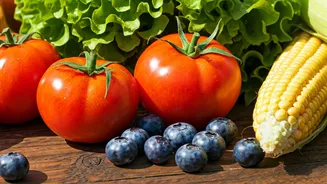


Corn (Bhutta)
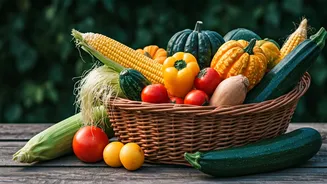
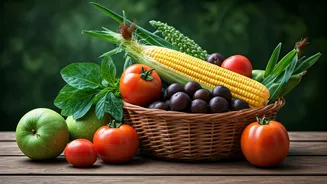
The quintessential monsoon snack, roasted corn on the cob, or bhutta, is a familiar and welcome sight across India in July. Its appearance signals the peak of the rainy season, and its abundance makes it incredibly affordable. This is the time when corn is at
its freshest and most flavourful. Beyond the classic street-style roast with lemon and masala, corn kernels can be used in salads, soups, and sabzis. It's a versatile grain that is high in fibre, which aids digestion, and contains essential nutrients. Because it is harvested and sold locally in vast quantities during the monsoon, transportation and storage costs are minimal, passing the savings directly on to you.
Jamun (Indian Blackberry)
This deep-purple fruit is a true monsoon delicacy. Jamun has a short but glorious season, which peaks in July. This limited window of availability means it is harvested in large amounts, flooding local markets and driving down the price. Its unique sweet and tart flavour is a seasonal treat many Indians look forward to. Besides being delicious, Jamun is packed with antioxidants, iron, and vitamins, and is traditionally known for its health benefits, especially for those with diabetes. Enjoy them fresh, perhaps with a sprinkle of black salt, or turn them into a refreshing juice or smoothie. Their low price this month makes them a guilt-free indulgence.
Gourds (Lauki, Turai)
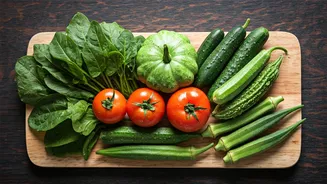
Monsoon is the peak season for a wide variety of gourds, including bottle gourd (lauki), ridge gourd (turai), and pointed gourd (parwal). These vegetables thrive in the humid and wet conditions of the rainy season, leading to a bumper crop. This abundance makes them one of the most budget-friendly vegetable categories in July. While often considered humble, they are incredibly versatile in the kitchen, forming the base of countless curries, dals, and koftas. They are also known for their cooling properties and high water content, making them light and easy to digest, which is particularly beneficial during the monsoon when digestion can be sluggish.
Okra (Bhindi)
Okra, or bhindi, is a staple in Indian households, and July is one of the best months to buy it. It is a warm-season crop that flourishes during the monsoon, ensuring a steady and plentiful supply to the markets. This peak availability helps keep its price stable and affordable for most families. Whether you prefer it crispy-fried, stuffed with spices (bharwa bhindi), or in a simple stir-fry, bhindi's familiar taste and quick cooking time make it a weekly favourite. Its low cost in July means you can enjoy this versatile vegetable without a second thought for your wallet. Farmers from across the country bring their harvest to market, ensuring you get fresh produce at a fair price.
Plums (Aloo Bukhara)
The arrival of the Indian plum, or Aloo Bukhara, is another highlight of the July fruit basket. These juicy, deep-red fruits are available for a short period during the monsoon. Grown primarily in the hilly regions, the harvest season ensures a plentiful supply that makes its way across the country. Their price is lowest during this peak period. Plums are celebrated for their sweet and tangy flavour and are rich in vitamins and antioxidants. They are perfect for eating fresh as a snack but can also be used to make delicious chutneys and desserts. Stocking up on them in July is a smart move for both your health and your finances.
Cucumber (Kheera)
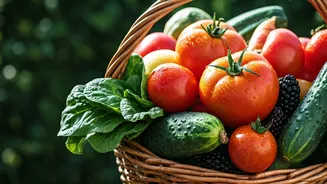
Though available for much of the year, cucumbers are particularly abundant and cheap during the early monsoon months. They are a Kharif crop, meaning they are sown at the beginning of the rains, and the harvest starts to peak in July. This leads to a surge in supply and a corresponding dip in prices. Known for their high water content and cooling properties, cucumbers are a refreshing addition to any meal, especially in the humid July weather. They are perfect for salads, raitas, or simply as a crunchy snack. Their affordability during this time makes them an essential item on any budget-conscious grocery list.