





The Spontaneous Trip Is Now a Reality
For years, international travel from India has been synonymous with meticulous planning, often dictated by lengthy and uncertain visa appointments. However, a significant shift is underway, and Vietnam is at the heart of it. The country has emerged as a hotspot
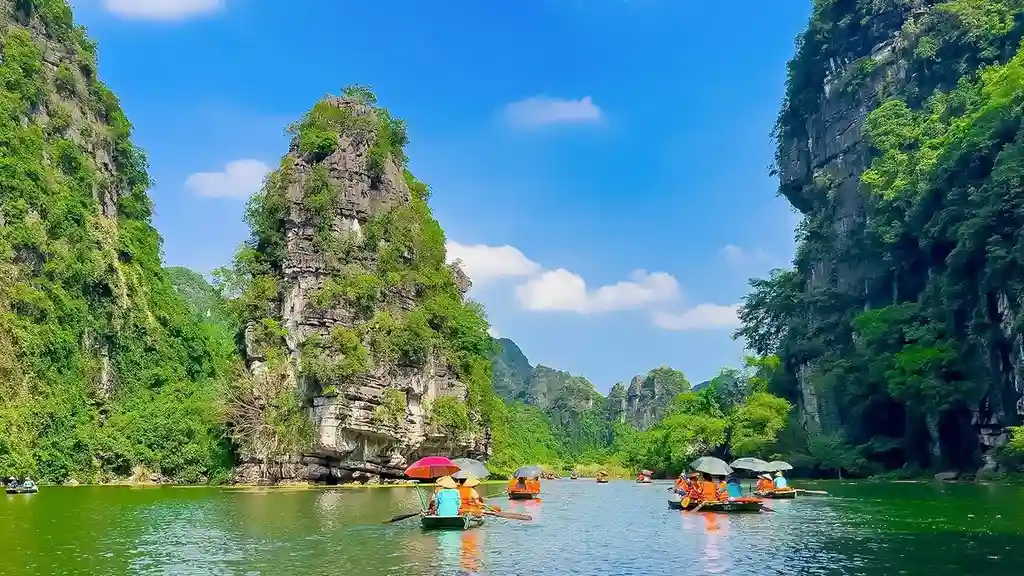
for Indian tourists, with visitor numbers growing exponentially. This surge is powered by increased flight connectivity, affordable travel costs, and, most importantly, a simplified e-visa policy that caters perfectly to the impulse of modern travellers. Young Indians, in particular, are embracing the freedom to book a trip to see Ha Long Bay or explore Ho Chi Minh City's vibrant streets on just a few days' notice, a trend that is redefining Southeast Asian travel.
Demystifying the Vietnam E-Visa
The key to this new-found spontaneity is the Vietnamese e-visa. Unlike traditional sticker visas that require embassy visits, the e-visa is a fully online document. As of 2026, Indian citizens can apply for an e-visa that is valid for up to 90 days and can be used for single or multiple entries. This flexibility is a game-changer, allowing travellers to not only visit Vietnam but also potentially hop over to neighbouring countries and return without needing a new application. The entire process, from application to payment, is handled through an official government portal, making it accessible to anyone with an internet connection. Yes, Indian passport holders need a visa for Vietnam, but the e-visa has made obtaining one easier than ever before.
How 'Last Minute' Is It Really?
The term "last minute" hinges on the visa processing time. Officially, the government portal states a processing time of 3 to 5 working days. However, many applicants report receiving their approved e-visa much faster, sometimes within 24 to 48 hours, which is what fuels the short-notice travel boom. It is crucial to manage expectations, though. During peak tourist seasons or if there are errors in the application, delays can occur, with processing sometimes extending to a week or more. While some third-party agencies offer emergency processing in a matter of hours for a steep fee, the official channel is often efficient enough for a trip planned a week in advance. For true peace of mind, applying at least two weeks before your travel date is the safest bet.
A Step-by-Step Guide to Your E-Visa
Applying for the Vietnam e-visa is straightforward. First, you'll need digital copies of two key documents: your passport's biographical page (the one with your photo and details) and a recent passport-style photograph against a white background. Your passport must be valid for at least six months from your intended date of entry. The next step is to visit the official Vietnam e-visa portal—be cautious of look-alike third-party sites that may overcharge. You will fill out the application form with your personal details, travel dates, and intended port of entry and exit. After uploading your documents, you'll pay the government fee, which is approximately $25 USD for a single-entry visa or $50 USD for multiple entries. Once submitted, you'll receive a registration code to check your application status.
Common Pitfalls and How to Avoid Them
While the process is simple, a few common mistakes can lead to delays or rejection. The most frequent issue is submitting a photograph that doesn't meet the strict requirements, such as having a coloured background or wearing glasses. Another major pitfall is making typos in your name or passport number; the details on the visa must exactly match your passport. It's also vital to apply through the official government website to avoid inflated fees and potential scams. Finally, while the e-visa is efficient, waiting until the absolute last day to apply is risky. An unexpected delay could jeopardise your non-refundable flights and hotel bookings. Giving yourself a buffer of at least a week is a sensible precaution.