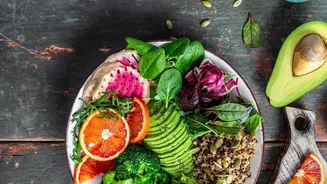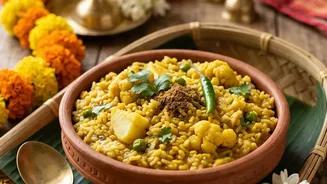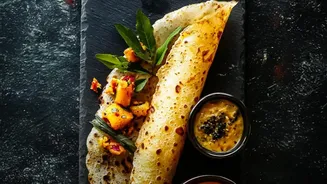

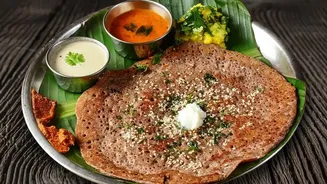

The humble dosa, a cornerstone of South Indian cuisine, is getting a modern makeover. As diners across India become more health-aware, the classic butter-drenched crepe is giving way to a new favourite: dosas piled high with fresh vegetables.
An Enduring Classic Reimagined
For generations,
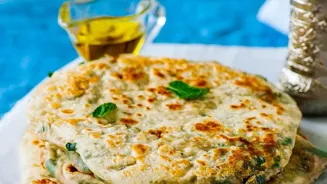
the perfect dosa experience was often defined by its accompaniments: a rich, spiced potato filling (aloo masala), a generous coating of butter or ghee, and flavourful chutneys and sambar. It’s a combination that speaks of comfort, tradition, and indulgence. While this classic version remains a beloved staple, a noticeable shift is underway in cafes and kitchens across the country. Driven by a growing collective consciousness around wellness and mindful eating, many are now looking at this familiar dish through a new lens. The question is no longer just about taste, but about nutritional value. This has sparked a quiet revolution, moving the dosa from a simple indulgence to a balanced meal.
The Nutritional Divide
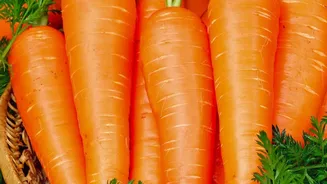
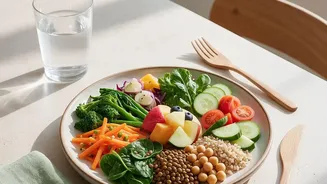
The difference between a traditional butter masala dosa and its vegetable-loaded counterpart is significant from a nutritional standpoint. A classic dosa, while delicious, is often high in carbohydrates and saturated fats, primarily from the potato filling and the generous application of butter or ghee. While not inherently 'bad', it can be a heavy meal. In contrast, a dosa that swaps the potato for a medley of fresh vegetables instantly boosts its nutritional profile. Toppings like bell peppers, onions, carrots, mushrooms, and spinach add essential vitamins, minerals, and dietary fibre. Fibre is crucial for digestive health and helps create a feeling of fullness, preventing overeating. By reducing butter and focusing on vegetables, the overall calorie count drops while the nutrient density skyrockets, transforming the dosa into a dish that aligns with modern health goals.
Beyond the Potato
Chefs and home cooks are embracing this trend with creativity, leading to an explosion of innovative dosa fillings. The humble aloo masala now shares menu space with a colourful variety of alternatives. Paneer, crumbled and sautéed with spices and peas, offers a protein-packed option. Mushroom pepper fry brings an earthy, savoury depth. For those seeking maximum crunch and freshness, a mix of finely chopped capsicum, cabbage, and carrots, sometimes referred to as 'schezwan' or 'noodle' dosa fillings (minus the actual noodles), has become incredibly popular. Some eateries are even experimenting with beetroot for a vibrant colour and earthy sweetness, or leafy greens like palak (spinach) combined with corn. This evolution proves that a dosa's canvas is versatile enough to accommodate a wide spectrum of flavours and textures, satisfying both health-conscious and adventurous palates.
Chefs Embrace the Change
This isn't just a consumer-led trend; restaurants are actively driving the change. Restaurateurs and chefs recognize that catering to health-conscious diners is good for business. Many popular Udupi restaurants and modern South Indian diners now explicitly offer 'healthy' or 'veggie-loaded' dosa options. They are using less oil, offering multigrain batter alternatives made from ragi or oats, and prominently featuring these vibrant, vegetable-heavy creations on their menus. This culinary innovation allows them to retain the loyalty of traditional patrons while attracting a new generation of customers who prioritize their well-being. It's a smart adaptation that ensures the dosa remains relevant and cherished in a rapidly changing food landscape.
Making the Healthy Switch at Home
Embracing this trend at home is simple and rewarding. You can start by reducing the amount of butter or oil used to cook the dosa. For the filling, think beyond the potato. Sauté a mix of your favourite finely chopped vegetables like onions, tomatoes, and bell peppers with a pinch of turmeric and chilli powder for a quick and easy masala. Grated carrots and beets add colour and nutrients with minimal effort. Leftover sabzis from the previous night can also be repurposed into a delicious and wholesome dosa filling. By making these small adjustments, you can turn a weekend treat into a healthy, everyday meal without sacrificing the authentic flavour you love.