




Why Bother With Peels?
In many Indian kitchens, the idea of 'zero waste' is not a new trend but a timeless tradition. Our grandmothers knew how to use every part of a vegetable, and this wisdom is finding new life today. Orange peels, often seen as useless, are packed with
flavour and essential oils. Throwing them away is a missed opportunity for culinary creativity. By reimagining this 'waste' as a resource, you not only reduce your kitchen's footprint but also connect with a tradition of resourcefulness. This isn't just about saving scraps; it's about unlocking flavour where you least expect it.
First, Prepare Your Peels
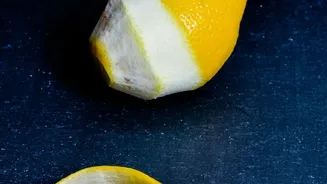
Proper preparation is key to turning bitter peels into a delightful preserve. Start by selecting the right fruit. Whenever you plan to consume the peel, it's best to use organic oranges to avoid pesticide residues. Regardless, give the oranges a thorough wash under running water, perhaps with a vegetable brush. Some chefs recommend boiling the peels to reduce their bitterness. You can do this by placing the chopped peels in a pot of water, bringing it to a boil, and then draining. Repeating this process two or three times can significantly mellow the bitter taste, making the final chutney more palatable. This step is optional but recommended if you are sensitive to bitterness.
A Simple, Tangy Chutney Recipe
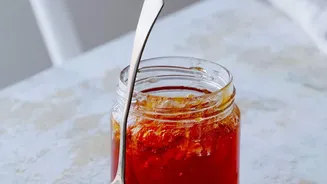
This recipe transforms your prepped peels into a classic Indian condiment with a tangy, sweet, and spicy profile. You will need about a cup of finely chopped orange peels, from two or three oranges. In a pan, heat a tablespoon of oil and add half a teaspoon of mustard seeds. When they begin to splutter, you can add curry leaves and a pinch of asafoetida (hing) for aroma. Next, add the chopped orange peels and sauté for a few minutes. Stir in salt to taste, half a teaspoon of turmeric powder, and a teaspoon of red chilli powder. Now, add about half a cup of water and a tablespoon of tamarind paste. Let this simmer for about five to ten minutes, until the peels begin to soften. Finally, add a tablespoon or two of jaggery and allow it to melt and combine, creating a thick, glossy consistency. Cook for a few more minutes until the chutney reaches your desired thickness.
Customise Your Creation
The beauty of this chutney lies in its versatility. Think of the base recipe as a canvas for your own culinary experiments. For a bit of heat and warmth, add a teaspoon of finely chopped ginger along with the peels. You can also introduce other spices during the tempering stage; a few fenugreek seeds can add a lovely, complex bitterness to counter the sweetness of the jaggery. Some recipes also incorporate urad dal and chana dal, roasting them until golden before grinding them into the paste for a thicker, more textured chutney known as a thogayal. Don't be afraid to adjust the balance of sweet, sour, and spice to suit your personal taste. You can use more jaggery for a sweeter preserve or add an extra green chilli for a spicier kick.
Beyond the Chutney
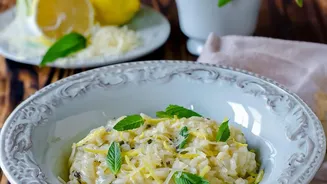
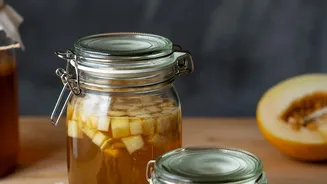
Once you start seeing orange peels as an ingredient, a world of possibilities opens up. The simplest use is to create zest, which can be added to cakes, marinades, and salad dressings. You can also use the peels to infuse vinegar, creating a natural, fragrant cleaning spray for your kitchen. To do this, simply submerge the peels in a jar of white vinegar and let it sit for a few days. The peels can also be dried in the sun or a low oven, and then powdered. This powder can be added to tea, used in face scrubs, or placed in sachets to act as a natural air freshener for your cupboards. Embracing this single hack can change your perspective on what constitutes 'waste' in the kitchen.