


A Return to Authenticity
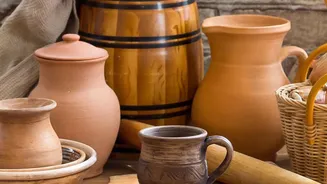
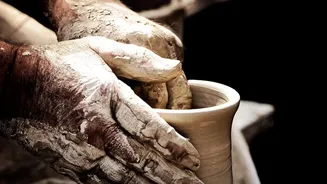
In an era dominated by mass-produced perfection, many young homeowners are actively seeking the opposite. They are turning away from identical, factory-made items and embracing objects with a story and a human touch. Handcrafted clay homeware offers just
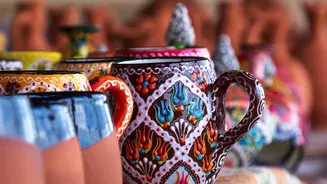
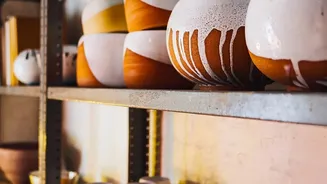
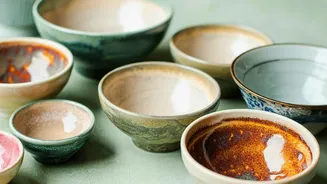
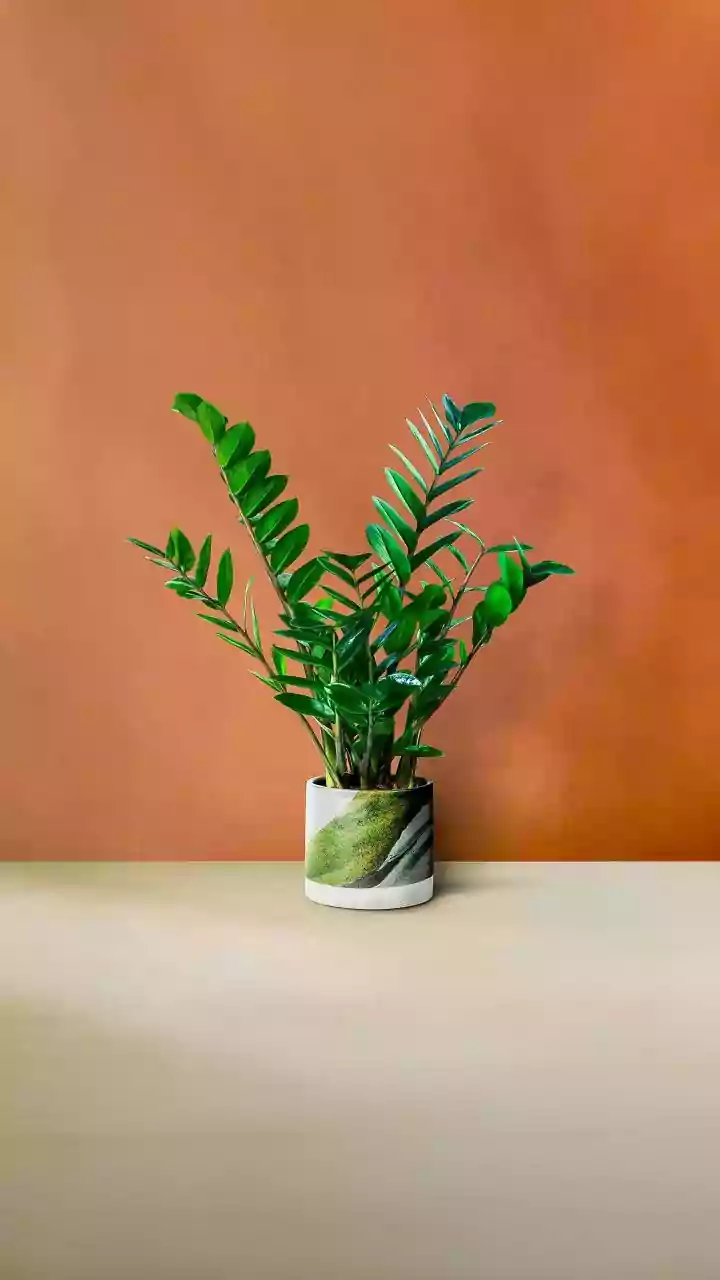
that. Each piece, whether a planter, a dinner plate, or a decorative vase, carries subtle, unique imperfections—the mark of the artisan's hand. This desire for authenticity is a reaction against the uniformity of global retail, reflecting a broader cultural shift towards things that feel genuine and personal. Choosing a hand-thrown mug or a slightly irregular bowl is a conscious decision to bring character and warmth into a home, making everyday moments feel more special and grounded.
Sustainability as the New Style Statement
For a generation deeply concerned with environmental impact, terracotta is more than just an aesthetic choice; it's a statement of values. Unlike plastic or chemically-treated alternatives, clay is a natural, biodegradable material that returns to the earth without causing harm. The production process for terracotta items generally has a much lower carbon footprint compared to industrial manufacturing of metal or synthetic goods. This aligns perfectly with the growing trend of eco-conscious living, where homeowners actively seek sustainable solutions like organic textiles, reclaimed wood, and natural materials for their interiors. By choosing terracotta, young buyers are making a planet-friendly decision that also supports a circular economy and reduces household waste.
Wellness Rooted in the Earth
The appeal of clay extends beyond its looks and eco-credentials into the realm of everyday wellness. Terracotta is renowned for its natural cooling properties; water stored in a clay pot or bottle stays pleasantly cool without refrigeration, a practice cherished for generations. When used for cooking, clay pots allow for slow, even heat distribution, which helps retain the moisture and nutrients in food. Furthermore, because clay is naturally alkaline, it can help balance the pH level of acidic foods, potentially making them easier to digest. The porous nature of the material also means that cooking often requires less oil, contributing to healthier meals. These tangible health benefits are a significant draw for those looking to foster a more natural and mindful lifestyle.
Modern Designs Meet Ancient Craft
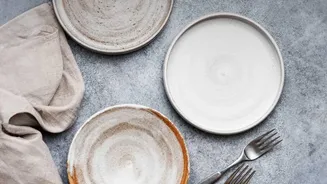
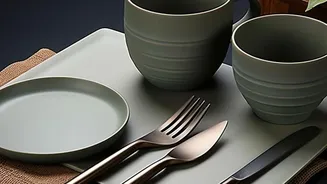
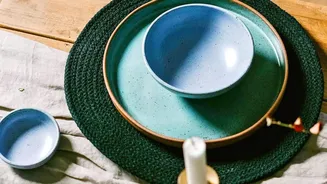
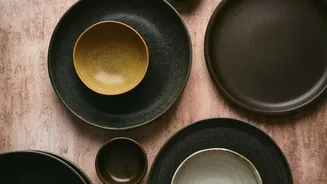
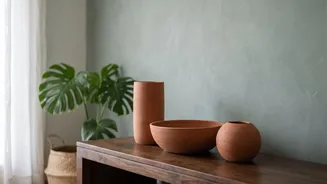
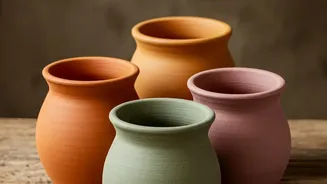
Today’s terracotta is not confined to traditional forms. Designers and artisans are reinterpreting this ancient material for the contemporary home, creating sleek, minimalist, and functional pieces. You can now find terracotta in the form of geometric wall clocks, elegant pendant lights, chic dinnerware, and sculptural art pieces. This fusion of traditional craft and modern design allows terracotta to blend seamlessly into various interior styles, from bohemian to minimalist. The earthy, muted tones of 'baked earth' complement other popular materials like wood, brass, and handwoven textiles, adding texture and warmth without overwhelming a space. This versatility is key to its resurgence, proving that an age-old material can feel entirely fresh and relevant in a 21st-century home.
Championing Local Artisans
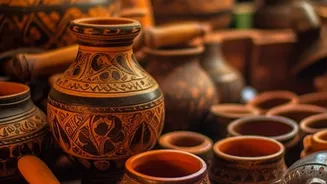
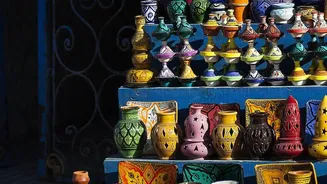
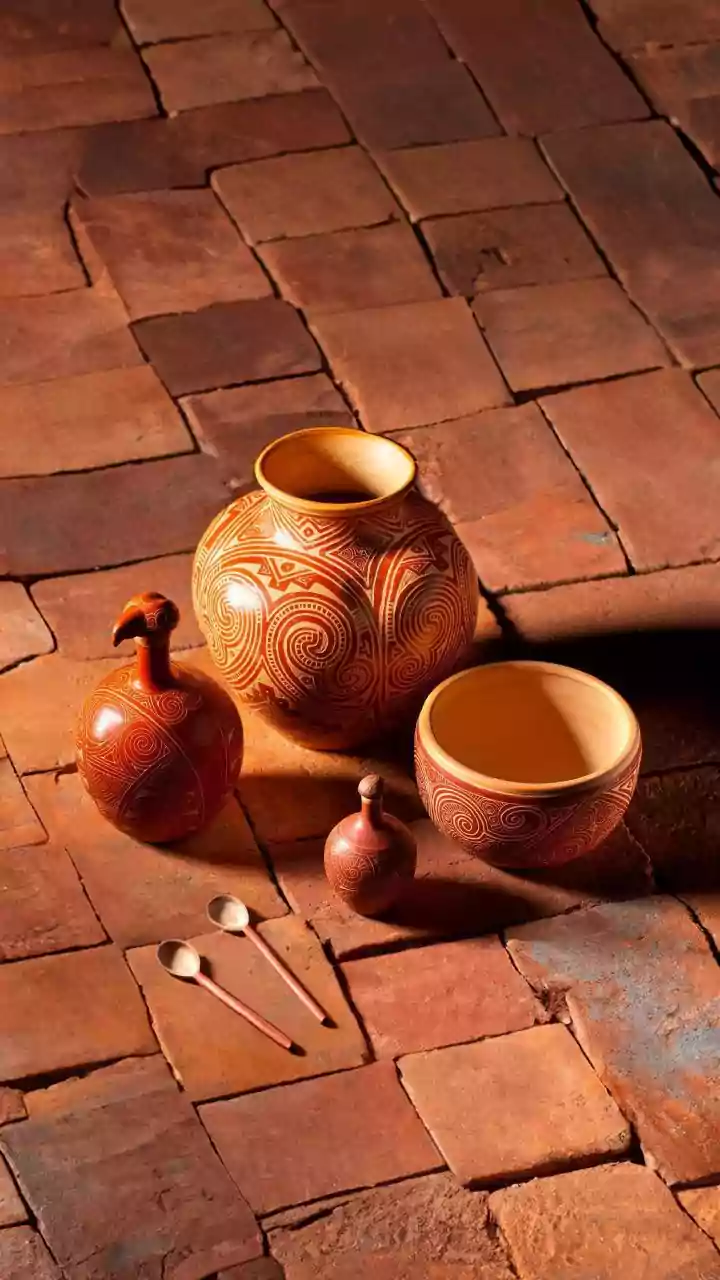
The trend also shines a spotlight on India's rich heritage of craftsmanship and the communities that uphold these traditions. By purchasing handcrafted clayware, consumers are directly supporting the livelihoods of skilled rural artisans, many of whom have been struggling to compete with industrial manufacturing. This conscious consumerism helps preserve generations-old techniques that might otherwise fade away. For many young homeowners, knowing their décor purchase has a positive social impact adds another layer of value. It transforms a simple transaction into a meaningful connection with the country's cultural fabric, celebrating the skill and dedication embedded in each unique piece.