







The Golden Rule: Keep Them Dry
The single most important step in monsoon foot care is keeping your feet as dry as possible. Prolonged exposure to dampness weakens the skin's protective barrier, a process called maceration, making it vulnerable to infections. As soon as you get home
or to the office, take off wet shoes and socks. Use a clean, dry towel and pay special attention to the spaces between your toes, as trapped moisture here is a primary cause of fungal growth. If you can, keep a spare pair of dry footwear and socks at your workplace to change into. This simple habit is your first line of defense against most common rainy-season foot problems.
Choose Your Footwear Wisely
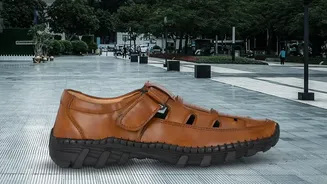
Your choice of shoes is critical during the monsoon. Leather and canvas shoes are a bad idea as they absorb water, take forever to dry, and become a breeding ground for fungi. Instead, opt for footwear made from waterproof and quick-drying materials like rubber, PVC, or EVA. Open-toed sandals, floaters, and clogs are excellent choices as they allow for air circulation and let water drain out easily. If you prefer closed shoes, look for waterproof sneakers with breathable mesh panels. Whatever you choose, ensure it has a good anti-slip sole to provide grip on slippery surfaces. It's also wise to rotate your footwear, allowing each pair at least 24 hours to dry out completely before you wear them again.
Upgrade Your Cleansing Routine
During the monsoon, a quick rinse isn't enough. Every time you return from a wet commute, wash your feet thoroughly with a mild antibacterial soap and warm water. Once or twice a week, treat your feet to a therapeutic soak. Immersing them for 10-15 minutes in a basin of warm water with a bit of antiseptic liquid or Epsom salt can help kill bacteria and soothe tired feet. After washing and soaking, remember to dry them completely. A gentle pat-down is better than vigorous rubbing, which can irritate softened skin.
Exfoliate and Moisturise Correctly
Wet and macerated skin can lead to the buildup of dead cells, creating a perfect environment for bacteria. Use a pumice stone or a gentle foot scrub once a week to exfoliate your soles and heels. This helps keep the skin smooth and less prone to infection. After exfoliating and drying, apply a good moisturiser to prevent your heels from cracking. However, be careful not to apply lotion between your toes, as the extra moisture can encourage fungal growth. The goal is hydrated skin, not damp skin.
Combat Odour and Itching
Smelly feet, or bromodosis, is a common issue when sweaty feet are trapped in damp shoes. To combat this, dust an antifungal or talcum powder on your feet and lightly inside your shoes before heading out. This helps absorb excess moisture and keeps odour at bay. If you struggle with sweaty feet, a foot soak in water with a few drops of lemon juice or tea can help, as the acids can help close pores. For itching, home remedies like a foot mask made from neem powder, turmeric, and fuller's earth (multani mitti) can be very soothing due to their natural antifungal properties.
Don't Forget Your Nails
Toenails can easily trap dirt and bacteria, increasing the risk of painful nail infections. Keep your toenails trimmed short and straight across during the monsoon. Clean under them regularly with a nail brush. Avoid sharing nail clippers, as this can easily spread fungal infections from one person to another. If you get a pedicure, ensure the salon uses properly sterilised tools to prevent cross-contamination.