






Embrace the Three-Layer System
The single most effective strategy for multi-climate packing is layering. Instead of packing bulky, single-purpose items, think in three distinct layers that work together. Your base layer, worn against the skin, should be made of a moisture-wicking fabric.
The mid-layer provides insulation and is your source of warmth. Finally, the outer layer, or shell, protects you from wind and rain. By adding or removing these layers, you can adapt to a huge range of temperatures, from a cool evening on the coast to a frigid mountain trek, all while using a compact set of clothes.
Choose Your Fabrics Wisely
The materials you pack are just as important as the items themselves. For multi-climate versatility, merino wool is a champion. Its fine fibers regulate body temperature, keeping you warm in the cold and cool in the heat. It is also naturally odor-resistant, meaning you can wear it multiple times before washing, saving valuable suitcase space. For active or humid days, synthetics like polyester dry incredibly fast. For base and mid-layers, natural fibers like cashmere and silk provide excellent warmth without bulk, compressing easily in your luggage. Avoid cotton for base layers, as it traps moisture and can leave you feeling cold and damp.
Invest in a Packable Down Jacket
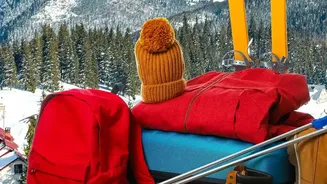
A heavy winter coat is often the biggest space-hog in a suitcase. The solution is a modern packable down or synthetic-fill puffer jacket. These jackets offer incredible warmth for their weight and can be compressed into a tiny pouch, often no bigger than a water bottle. This single item can serve as your primary outer layer in cold mountain passes and can be easily stowed when you head to the warmer coast. For transitional weather, you can layer it under a lighter rain shell for complete protection from cold and wet conditions.
Limit Yourself to Versatile Footwear
Shoes are notoriously bulky. For most multi-climate trips, you can get by with just two or three pairs. The key is choosing footwear that can serve multiple purposes. A pair of comfortable, stylish waterproof ankle boots can handle city walking, light hiking, and dressier dinners. Pair them with warm wool socks for cold weather. Your second pair could be a lightweight, breathable sneaker for warmer days and active pursuits. If your trip includes a beach, a simple pair of sandals or flats that pack completely flat is all you need for the coast.
Use Accessories as Your Secret Weapon
Accessories are low-volume, high-impact items that can dramatically extend the versatility of your core wardrobe. A large, lightweight scarf made of merino or cashmere can act as a wrap on a cool evening, a blanket on a plane, or a stylish addition to an outfit. A warm hat and a pair of thin gloves take up almost no space but are essential for retaining body heat in genuinely cold weather. By using these small items to fine-tune your warmth, you can avoid packing extra sweaters or jackets.
Stick to a Neutral Color Palette
To maximize the number of outfits you can create, build your travel wardrobe around a core of neutral colors like black, navy, grey, or tan for your main pieces like pants, jackets, and shoes. This ensures that almost everything you pack can be mixed and matched. You can then add personality and variety with smaller, more colorful items like t-shirts, scarves, or other accessories. This simple rule prevents the frustrating scenario of having a suitcase full of clothes but nothing that actually goes together.