

From Postcards to Participation
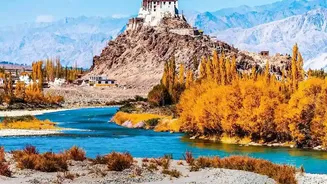
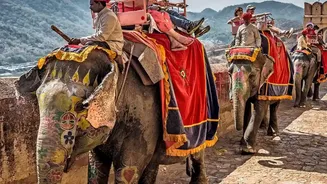
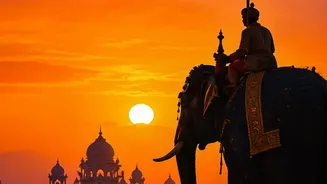
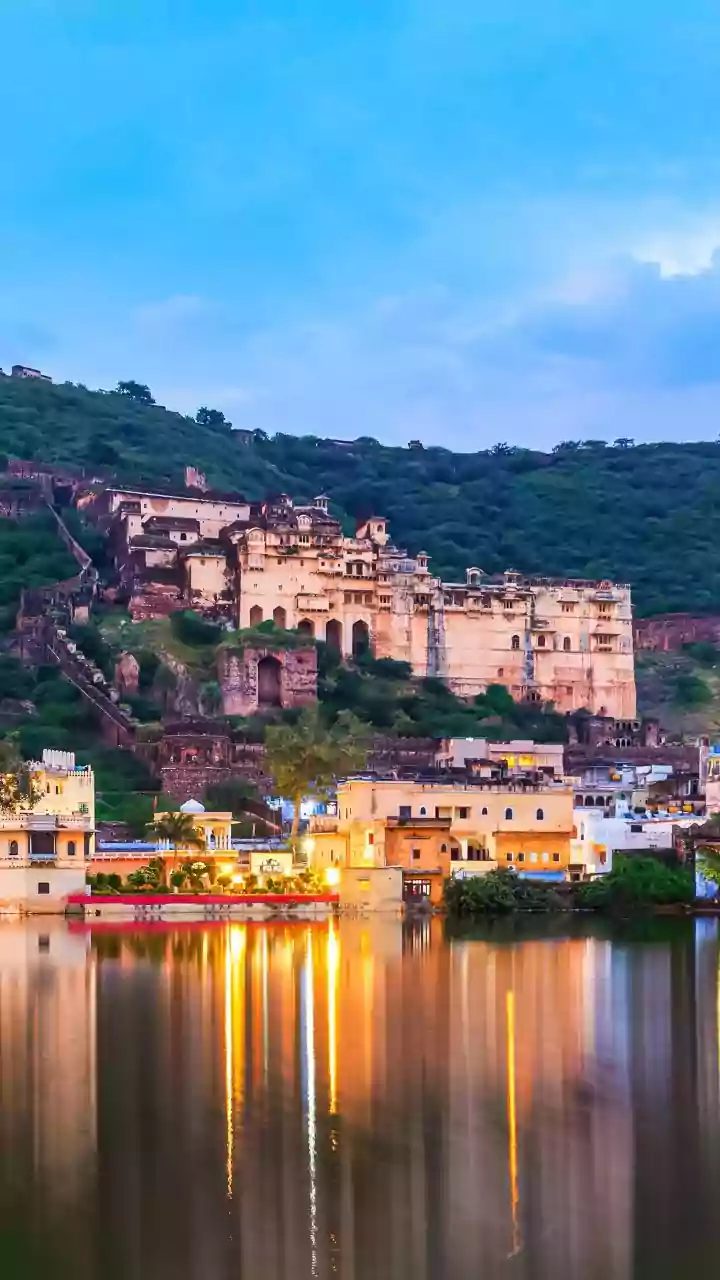
For decades, tourism in India was defined by a familiar checklist: the Taj Mahal, the forts of Rajasthan, the temples of the south. Travel was about seeing the sights. Today, a fundamental shift is underway. Modern travellers, particularly younger demographics,
are no longer content to simply observe from a distance. They are asking for more than just a photograph; they want a story, a skill, a feeling. This has given rise to 'experiential travel', a philosophy centered on immersion. It’s the difference between seeing a spice plantation and taking a cooking class using those spices, or between visiting a historic palace and staying in a heritage property to learn about its traditions. This pivot from passive sightseeing to active participation is reshaping the entire industry, with the experiential travel market in India projected to become a dominant segment by 2030.
The Search for Wellness and Peace
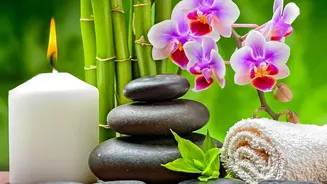
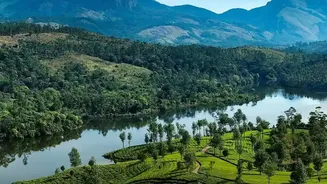
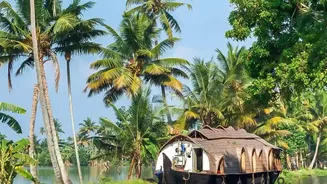
One of the most significant growth areas is wellness tourism. Travellers are increasingly looking for holidays that offer a mental and physical reset. India, with its deep roots in yoga, Ayurveda, and meditation, is uniquely positioned to meet this demand. Destinations like Rishikesh, Kerala, and Dharamshala are becoming hubs for wellness retreats that offer everything from Ayurvedic therapies and mindfulness workshops to digital detoxes. This trend reflects a broader cultural shift towards prioritising mental wellbeing and seeking a purposeful escape from the pressures of urban life. The Indian wellness tourism market is forecast to grow significantly, showing that travellers are willing to invest in journeys that promise rejuvenation and long-term health benefits.
Adventure in the Great Outdoors
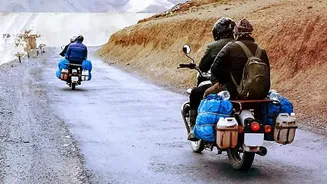
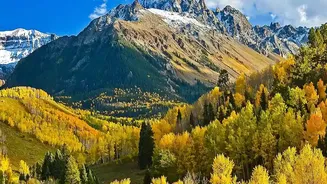
Parallel to the quest for inner peace is a growing appetite for adrenaline and adventure. India's diverse geography, from the Himalayas to its long coastline, provides a natural playground for a booming adventure tourism sector. Activities like trekking, river rafting, paragliding, and scuba diving are surging in popularity. This segment is driven by a desire for thrilling experiences and a connection with nature. States such as Uttarakhand, Himachal Pradesh, and Goa have become hotspots, attracting a growing number of enthusiasts. The market is expected to grow at a compound annual growth rate of over 17%, reflecting a structural shift from a sightseeing economy to an activity-based one. Soft adventure, like short hikes and camping, still dominates, but interest in more challenging 'hard adventure' is also on the rise.
A Taste of Authentic India
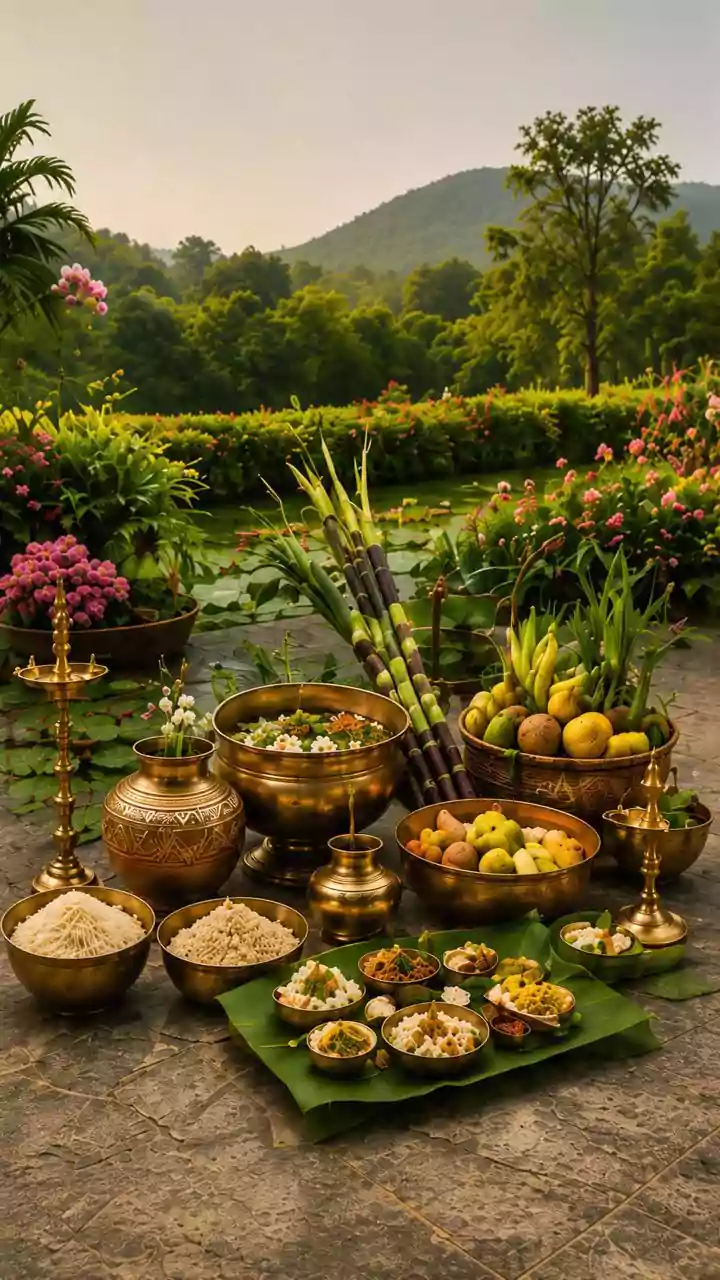
Food has always been central to the Indian travel experience, but it is now becoming a primary motivation for trips. Culinary tourism is a rapidly expanding segment, with travellers eager to explore the country's diverse regional cuisines in authentic settings. This goes far beyond just dining out. Popular experiences include market tours to learn about local ingredients, hands-on cooking classes in local homes, and curated street food trails. Whether it’s learning to make Parsi dishes in Mumbai, traditional Rajasthani meals in Udaipur, or exploring the spice-rich cuisine of Kerala, food has become a powerful gateway to understanding local culture. These journeys offer a taste of India that is both literal and deeply cultural.
What’s Driving the Change?
Several factors are fuelling this evolution in travel. Rising disposable incomes, especially among younger Indians, mean more money is being allocated to travel over other discretionary spending. The influence of social media also plays a crucial role, creating a desire for unique, shareable experiences that stand out from the conventional tourist trail. Furthermore, there's a growing movement towards 'intentional travel'—journeys designed around a personal goal, whether it’s learning a new skill, improving one's wellbeing, or connecting with a different way of life. This is particularly true for Gen Z and Millennial travellers, who now often make independent travel decisions and prioritise personal enrichment over simply visiting a famous landmark.