



Beyond the 'Chance of Rain' Icon
Your weather app might show a 40% chance of rain and a pleasant 20°C, but it fails to convey the character of post-monsoon mountain weather. September isn't about all-day downpours; it's the month of meteorological mood swings. Expect short, intense showers
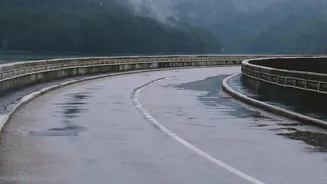
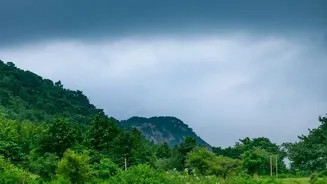
that can appear suddenly in an otherwise sunny sky. These localised bursts of rain are common in hilly terrain and can catch you unprepared. The forecast for a town like Manali or Mussoorie might not apply to a trekking route just a few kilometres away, where elevation and topography create their own microclimates. What the app also doesn’t tell you is about the mist and fog that often follow these showers, dramatically reducing visibility and lending a mysterious charm to the landscape, but also making driving more hazardous.
The Ground Truth: Saturated Soil and Landslide Risks
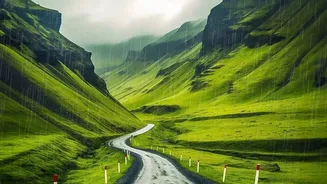
This is perhaps the single most critical factor that weather apps cannot communicate. After three months of heavy monsoon rains, the ground in the Himalayas and Western Ghats is completely saturated. Even on a clear, sunny day in September, the risk of landslides remains high. The soil is unstable, and slopes can give way without warning. Recent years have seen an increase in such climate-related disasters in the Himalayan region, where flash floods and landslides can occur even as the monsoon recedes. Before you travel, and even during your trip, it's vital to check local news, traffic police updates, and district administration websites for information on road conditions. A clear weather forecast means nothing if the road to your destination is blocked by a recent landslide.
Atmospheric Ambience: Mist, Fog, and Clear Views
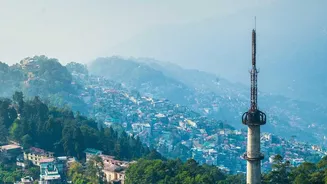
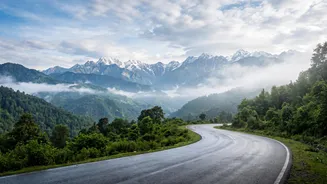
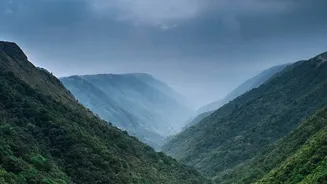
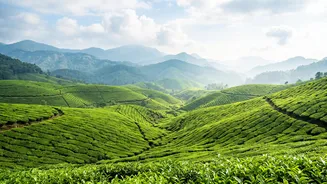
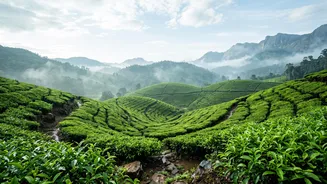
September offers some of the most atmospheric conditions in the hills, with valleys full of mist in the mornings and evenings. This creates stunning photo opportunities but also affects practical plans. That spectacular sunrise view from Tiger Hill in Darjeeling or a Himalayan peak in Uttarakhand might be obscured by a thick blanket of clouds. Conversely, as the monsoon officially withdraws, the air gets washed clean of dust, leading to exceptionally clear long-distance views of mountain ranges on good days. The weather is a gamble: you might get persistent fog or you might get the crispest, clearest panorama of the year. This variability is something a simple temperature and precipitation forecast can't capture.
Planning and Packing for Unpredictability
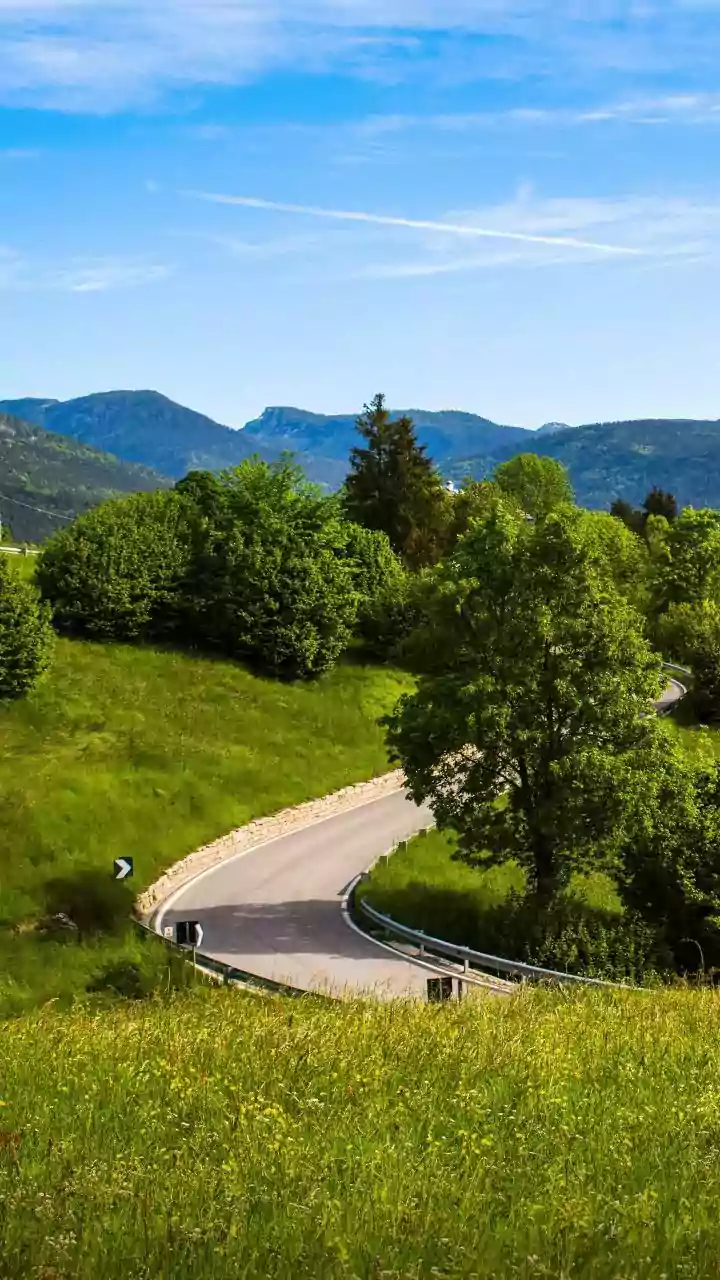
Given the unpredictable nature of September weather, smart planning and packing are essential. Instead of a rigid, packed itinerary, build in buffer days. A road closure or a day of unexpected heavy rain won't derail your entire trip if you have some flexibility. When it comes to packing, think in layers. A waterproof outer jacket is non-negotiable. Pair it with a fleece or warm mid-layer and quick-drying t-shirts. Sturdy footwear with a good grip is crucial, as paths will be slippery and muddy even when it's not actively raining. Don’t forget a power bank, as intermittent rain can sometimes lead to power cuts in more remote areas. Essentially, you need to prepare for four seasons in a single day.