



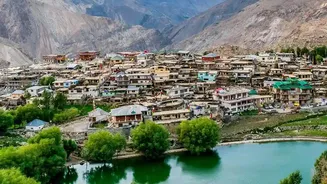
The Old Soul of Kasol
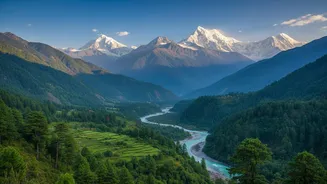
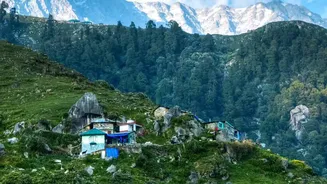
For decades, Kasol’s identity was simple: a laid-back haven for those looking to escape the grid. It was the heart of India's 'Hippie Trail,' a place where the primary agenda was to disconnect. Internet was patchy, long-term stays were basic, and the vibe
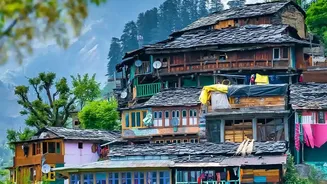
was distinctly analog. The town's economy was built around short-term, low-budget tourism, with Israeli cafes, German bakeries, and cheap guesthouses catering to a transient international and domestic crowd seeking nature and psychedelic culture. The goal wasn't to be productive; it was to be present.
The ‘Work from Mountains’ Wave
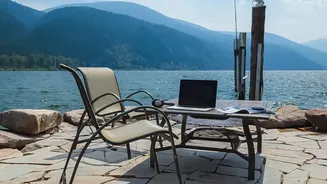
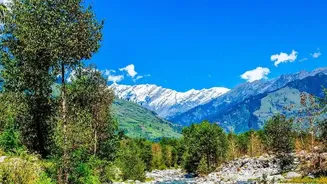
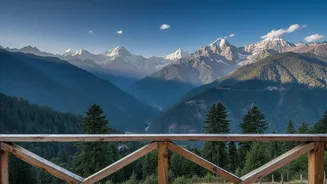
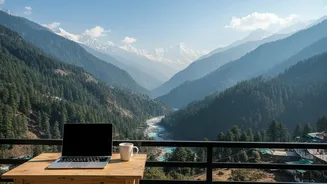
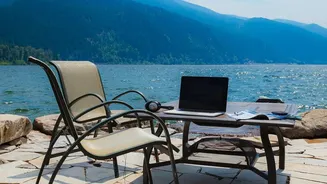
The global shift to remote work acted as a powerful catalyst for change in mountain towns across India. Professionals, untethered from city offices, began seeking 'workations' that blended productivity with peace. Kasol, with its stunning landscapes and existing tourist infrastructure, was a natural fit. This new demographic wasn't looking for a weekend escape; they were seeking a temporary home office with a view. Hostels and guesthouses quickly began to adapt, understanding that the new traveler was a 'digital nomad' who required more than just a bed.
Infrastructure Catches Up
The single biggest enabler of this evolution has been the dramatic improvement in internet connectivity. Once a major hurdle, reliable Wi-Fi is now a key selling point. Many cafes, hostels, and homestays now offer fiber optic connections with speeds that can rival urban centres, sometimes clocking in at 50-100 Mbps. Major telecom providers like Jio and Airtel have also expanded their 4G and 5G coverage in the valley, ensuring that even if the hostel Wi-Fi drops, a mobile hotspot can keep the work flowing. This digital upgrade has made sustained remote work not just possible, but practical.
A New Vibe and a New Economy
The influx of remote workers has subtly altered the town’s character. While the backpacker spirit endures, it now coexists with a more professional hum. Cafes are no longer just for chilling; they are now daytime co-working spots where laptops sit beside plates of shakshuka. This has spurred economic changes. Property owners are offering long-term rental packages, often including meals and high-speed internet. These 'workation' packages provide a stable income stream for locals, shifting the economic model from high-volume, low-margin tourism to lower-volume, higher-value stays.
Challenges in Paradise
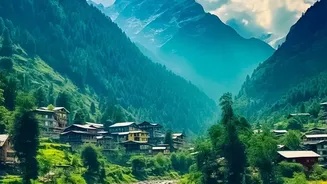
This evolution is not without its friction. The rising demand from professionals with higher disposable incomes can lead to increased costs, potentially pricing out the very backpackers who gave Kasol its original charm. There is also the environmental strain of a growing population and the cultural shift that comes when a place known for being 'off-the-grid' becomes a hub of constant connectivity. Power cuts can still be an issue, reminding residents that mountain infrastructure, while improved, has its limits. The challenge for Kasol is to balance the economic opportunities of the remote work boom without sacrificing its serene, natural soul.