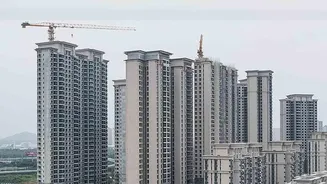








The Upside: Modern Living in an Established Location
The primary appeal of a redeveloped property is getting a modern home without moving to a developing suburb. These projects replace old, deteriorating buildings with new structures that comply with current safety norms and offer contemporary amenities
like lifts, security systems, and dedicated parking. Buyers get to stay in a neighbourhood with established infrastructure — schools, markets, and hospitals are already in place. The new homes themselves are often better designed, with a focus on space optimisation and natural light, a significant upgrade from the layouts of older buildings.
Financial Advantages and Potential Gains
For many, redeveloped properties offer a financially savvy way to own a home in a prime area that might otherwise be unaffordable. In many redevelopment agreements, the developer provides a 'corpus fund' to the housing society. This fund is meant to cover future major repairs and maintenance for the new building, which can reduce the financial burden on residents in the long term. Furthermore, a new flat in a redeveloped building in a sought-after locality often has strong potential for long-term value appreciation.
The Major Risk: Project Delays and Financial Strain
The most significant trade-off is the risk of delays. Redevelopment projects are complex and can be stalled for numerous reasons, including disputes between the developer and original society members, funding issues, or slow municipal approvals. Delays that stretch for years are not uncommon, which can be a nightmare for a first-time buyer paying both rent and EMIs. If the developer fails to pay the agreed-upon transit rent to existing members, it can lead to litigation that brings the project to a halt, trapping the new buyer's investment.
Navigating the Paper Trail: Legal Due Diligence is Key
Unlike buying a new property on a clear plot, a redeveloped home has a history that needs thorough investigation. A buyer must verify that the developer has a clear and marketable title and has obtained all necessary permissions, including the Intimation of Disapproval (IOD) and Commencement Certificate (CC). It is crucial to scrutinise the Development Agreement between the society and the builder. This document outlines the rights and obligations of both parties, and any ambiguity or dispute can jeopardise the entire project. An unclear title or missing approvals can lead to serious legal complications and put your ownership at risk.
Construction Quality and Developer's Reputation
While the promise is of a brand-new home, the quality of construction is not guaranteed. It is essential to research the developer's track record, focusing on their history with similar redevelopment projects. A reputable developer with a history of on-time delivery is a safer bet. First-time buyers should also be wary of the final product not matching the initial specifications. The sale agreement must clearly detail the carpet area, amenities, and fittings promised. Visiting the site and, if possible, hiring a professional to assess the construction quality at various stages can help avoid future disappointments.