



Understanding the Janmashtami Vrat
The Janmashtami fast is an expression of devotion, observed in several ways depending on family tradition and personal health. The strictest form is the 'Nirjala' vrat, where devotees abstain from both food and water until the fast is broken at midnight,
marking Krishna's birth hour. A more common practice is the 'Phalahari' vrat, which allows for the consumption of specific foods. This approach focuses on a 'sattvic' diet, believed to be pure and calming, to keep the mind focused on prayer and devotion. The goal is not just to abstain from food but to cultivate a state of spiritual awareness.
What to Avoid During the Fast
Before diving into what you can eat, it is crucial to know what must be avoided. During the Janmashtami fast, all grains and cereals are prohibited. This includes wheat, rice, semolina, and corn. Lentils and pulses are also off the menu. In keeping with a sattvic diet, tamasic foods like onion and garlic are strictly avoided. Additionally, regular table salt is replaced with rock salt, or 'sendha namak'. Non-vegetarian food, eggs, alcohol, and tobacco are completely forbidden.
A Bounty of Fruits and Vegetables
Fruits are a cornerstone of the phalahari diet. All seasonal fruits are generally permitted, providing natural sugars for energy. Bananas, apples, pomegranates, papayas, and grapes are excellent choices. When it comes to vegetables, the list is more specific. Potatoes, sweet potatoes, yams, pumpkin, raw banana, and tomatoes are widely consumed. These can be used to prepare simple and satisfying dishes that provide sustenance throughout the day.
Dairy Delights for Devotion
Given Lord Krishna's legendary love for milk and butter, dairy products are central to the Janmashtami feast and fast. Milk, curd (yogurt), paneer (cottage cheese), fresh cream, and buttermilk (lassi) are all permissible. These ingredients are not only nutritious but are also used to prepare a variety of vrat-friendly dishes, from cooling fruit raitas and refreshing lassis to simple paneer preparations. Ghee (clarified butter) is the preferred cooking medium for most fasting recipes.
Vrat-Friendly Flours and Millets
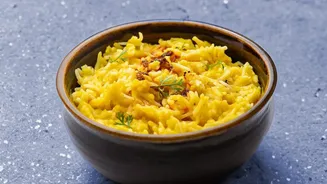
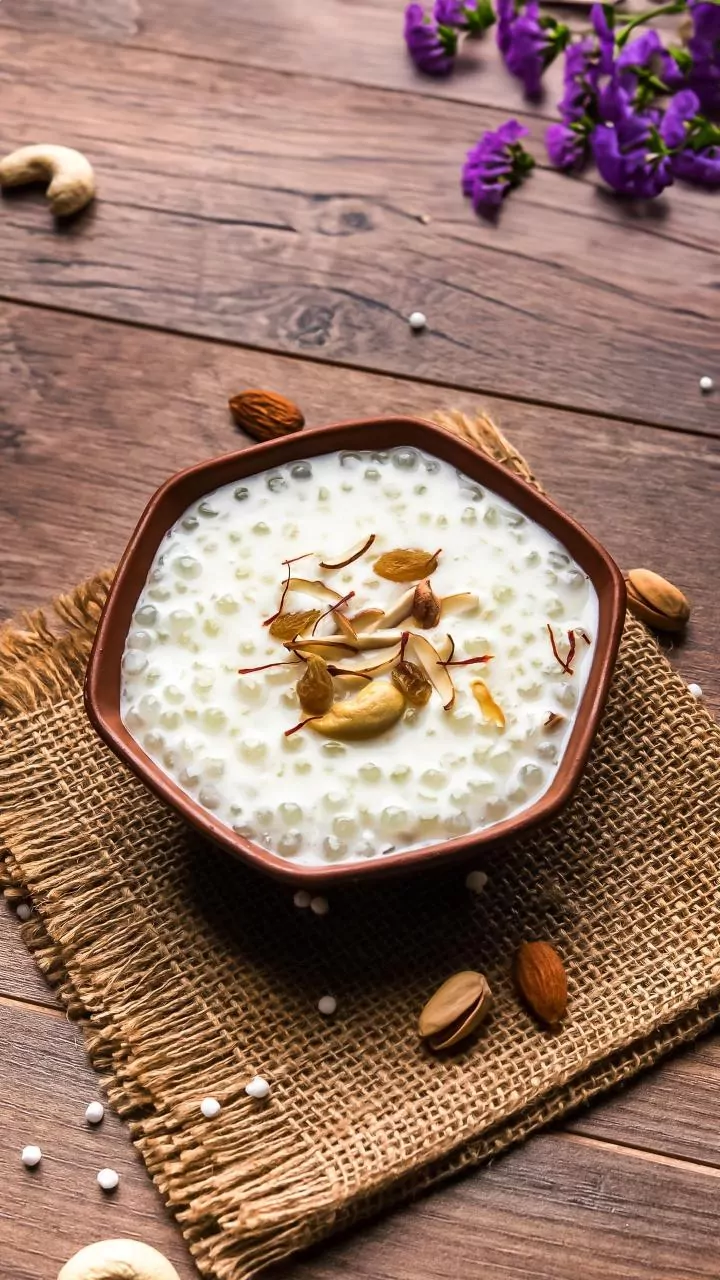
While regular grains are excluded, a special category of flours and millets forms the backbone of fasting meals. These are technically not considered cereals and are therefore allowed. The most popular are Kuttu ka atta (buckwheat flour), Singhare ka atta (water chestnut flour), and Rajgira ka atta (amaranth flour). Another key ingredient is Samak ke chawal (barnyard millet), which serves as a perfect substitute for rice and can be used to make pulao or kheer. Sabudana (tapioca pearls) is another versatile staple used to make khichdi, kheer, and vadas.
Nuts and Snacks for Energy
To maintain energy levels throughout the day, nuts and certain snacks are permitted. Almonds, walnuts, cashews, raisins, and dates are great for munching on. Peanuts are also widely used, often roasted and added to dishes like sabudana khichdi for texture and flavour. Another popular fasting snack is makhana (fox nuts). They can be roasted in a little ghee and seasoned with rock salt and black pepper for a light yet filling snack.
Meal Ideas to Keep You Going
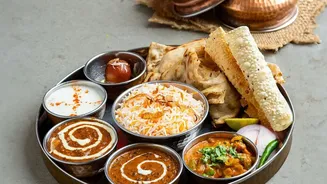
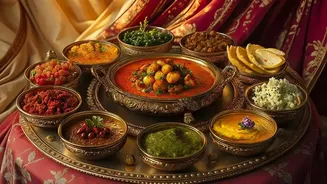
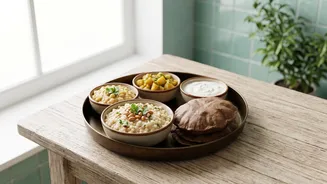
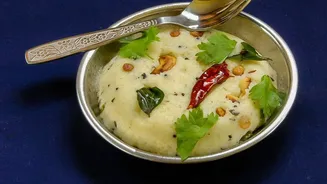
Putting it all together, a fasting day can be quite flavourful. For a main meal, many people enjoy Kuttu ki poori (buckwheat flour bread) served with a simple Dahi Aloo (potatoes in a yogurt gravy). Sabudana khichdi, cooked with potatoes and peanuts, is a classic one-pot meal that is both filling and delicious. For something sweet, a bowl of Makhana Kheer or Singhare ka Halwa can be prepared. Staying hydrated with water, coconut water, and fresh fruit juices is also important, especially for those not observing a nirjala fast.