



The Shift in the Doggy Dabba
There's a quiet revolution happening in pet households across urban India. The simple steel bowl, once filled exclusively with dry kibble or leftover roti, is now being upgraded. A growing number of pet parents are embracing fresh, human-grade meal plans
for their dogs. This trend is driven by a cultural shift where pets are increasingly humanized and seen as integral family members. As awareness around nutrition grows, owners are questioning the processed nature of traditional kibble and seeking healthier alternatives. They want the same things for their dogs that they want for themselves: whole, recognizable ingredients and a diet free from unnecessary preservatives. This has fuelled a boom in India's pet food market, with a significant pivot towards premium and scientifically formulated products.
What’s on the Fresh Food Menu?
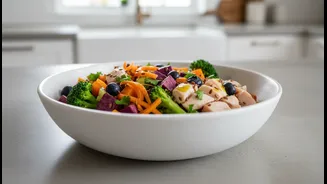
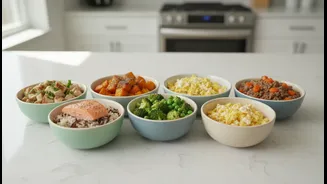
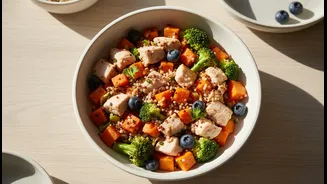
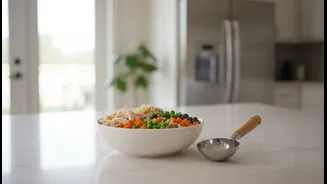
A vet-approved fresh meal isn't just a home-cooked meal; it's a carefully balanced diet designed by nutritionists. These plans typically feature minimally processed, whole-food ingredients. Common components include lean proteins like chicken or fish, digestible carbohydrates like brown rice or sweet potato, and fibre-rich vegetables such as pumpkin and carrots. Unlike many dry foods that use meat meals and by-products, fresh diets prioritize real, named sources of protein. The meals are gently cooked to preserve nutrients and improve digestibility, which can be particularly beneficial for dogs with sensitive stomachs or picky appetites. The goal is to provide a diet that is closer to what a dog might naturally eat, ensuring higher bioavailability of essential vitamins and minerals.
The Link Between Diet and Longevity
While no diet can guarantee a longer life, balanced nutrition is a cornerstone of long-term health. A consistent, high-quality diet can help prevent chronic issues like obesity, diabetes, and heart conditions. Research has shown that maintaining a lean body condition can extend a dog's median lifespan by 15%, which can mean nearly two extra years for some breeds. Fresh, nutrient-dense food supports this by providing highly digestible energy, strengthening the immune system, and promoting healthier skin and a shinier coat. Vets note that a proper diet is fundamental to reducing inflammation and supporting organ health, which in turn contributes to a healthier, and potentially longer, life.
DIY Meals vs. Subscription Services
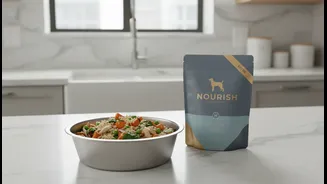
The desire to feed fresh food presents a choice: prepare it yourself or subscribe to a service. While DIY home cooking offers control over ingredients, it comes with significant risks. Studies have shown that the vast majority of homemade dog food recipes are nutritionally incomplete, lacking essential nutrients like calcium, taurine, and specific vitamins, which can lead to serious health problems over time. Commercial fresh food services, on the other hand, offer recipes formulated by veterinary nutritionists to be complete and balanced. These subscription-based models provide pre-portioned, customized meals delivered to your door, offering convenience and peace of mind that your dog's specific needs are being met without the guesswork.
How to Make the Switch Safely
Switching your dog's food too quickly can lead to digestive upset. Vets recommend a gradual transition over a period of 7 to 10 days to allow their system to adjust. A common method is the 25/50/75 rule: start by mixing 25% new fresh food with 75% of their old food for a few days. If their stool remains firm and they show no signs of discomfort, you can move to a 50/50 mix for the next few days. Finally, shift to 75% new food and 25% old food before transitioning to 100% fresh food. Throughout this period, monitor your dog's energy levels, appetite, and digestion closely.