


The Myth of Mere Variety
Nutritionists and health guides have long championed the idea of eating a varied diet. The advice is sound in principle: different foods provide different nutrients. For example, red meat is a great source of iron, while fatty fish like salmon offers
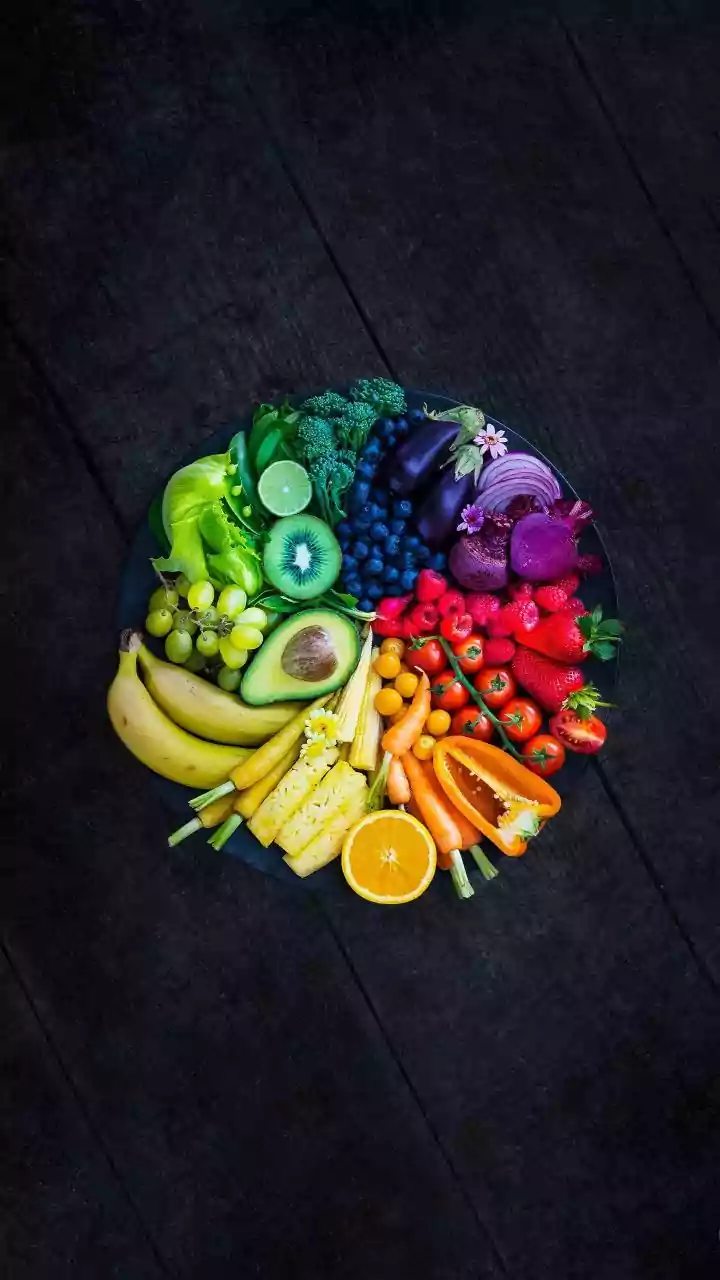
essential omega-3 fatty acids. Colorful fruits and vegetables are packed with unique vitamins, minerals, and antioxidants. This approach helps ensure you cover your nutritional bases and can even reduce the risk of chronic conditions like heart disease. It also keeps meals interesting, preventing the boredom that can derail healthy eating habits. The problem arises when 'variety' is misunderstood. A diet can be incredibly varied but still be unhealthy if the choices are consistently poor.
When a 'Varied' Diet Fails
Imagine a daily diet that includes potato chips, a sugary cereal, a fried snack, a soft drink, and a slice of processed cheese pizza. This is, technically, a varied diet. It contains grains, dairy, vegetables (in the tomato sauce), and plenty of fats and sugars. However, no one would call it nutritious. This is the core of the issue: variety without quality is a hollow victory. A diet rich in processed foods, even if they are all different from each other, can be high in calories, unhealthy fats, salt, and sugar while being shockingly low in essential micronutrients like vitamins and minerals. This can lead to what is sometimes called "hidden hunger," where you consume enough calories but still suffer from nutrient deficiencies.
Introducing Portion Quality
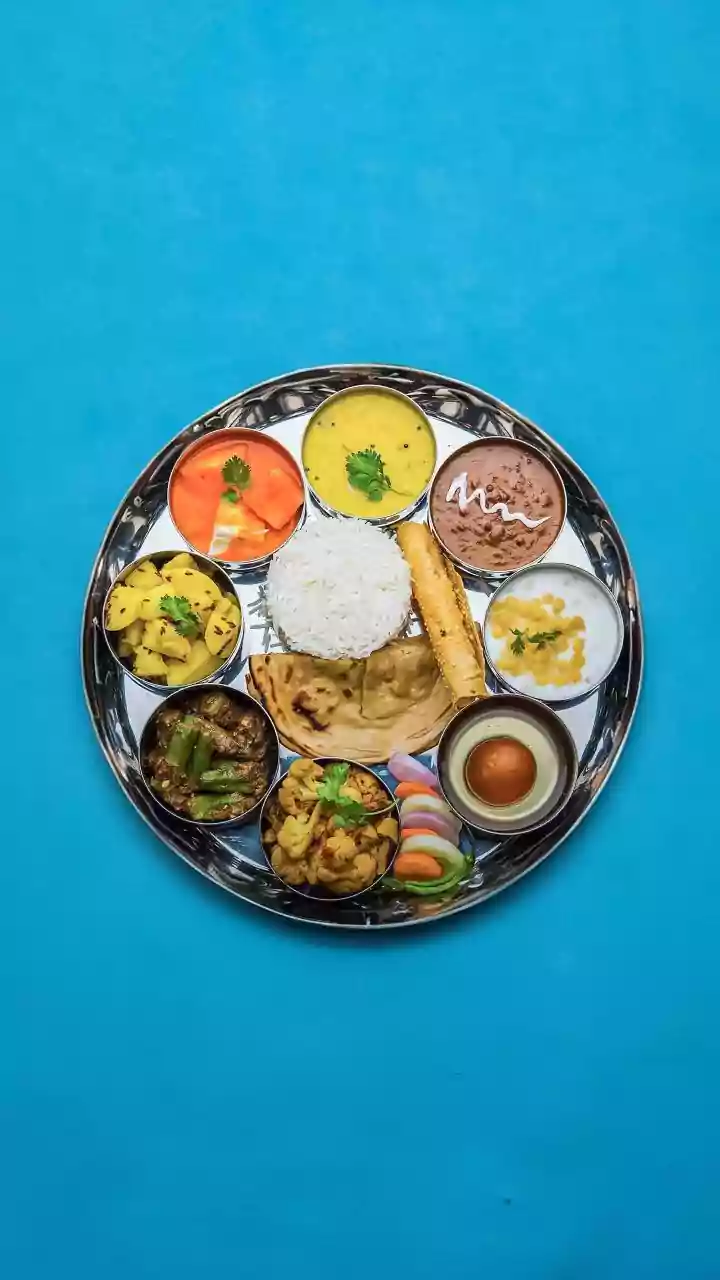
This brings us to the crucial concept of 'portion quality', which is better understood as nutrient density. Nutrient density refers to the amount of beneficial nutrients—like vitamins, minerals, and fibre—a food contains relative to its calorie count. For example, a handful of spinach is extremely nutrient-dense, offering a wealth of vitamins for very few calories. In contrast, a doughnut is calorie-dense but nutrient-poor. Focusing on portion quality means ensuring that what's on your plate offers real nutritional value. It's about shifting the focus from just eating different things to eating different, high-quality things. A portion of dal, a serving of leafy greens, and a bowl of fresh fruit are all high-quality portions. They fill you up while fuelling your body with essential nutrients.
The Plate Method: A Practical Guide
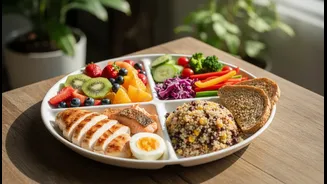
A simple and effective way to practice both variety and portion quality is the 'Healthy Eating Plate' method. Imagine your plate is divided into sections. Half of your plate should be filled with colourful vegetables and fruits. This ensures you get a wide variety of fibre, vitamins, and minerals. One quarter of your plate should be dedicated to whole grains like brown rice, whole-wheat chapati, or millets. These provide sustained energy and more fibre than their refined counterparts. The final quarter should be filled with lean protein. This could be dal, beans, paneer, fish, or chicken. This balance ensures you're not only getting variety across food groups but also prioritising the most nutrient-dense options within those groups, while naturally managing portion sizes.
Mindful Portions Matter Too
Finally, even with high-quality, nutrient-dense foods, the actual amount you eat—your portion size—still matters. It's easy to overeat even healthy foods, especially with the large serving sizes common in restaurants and packaged foods. A helpful trick is to use your hand as a guide: a serving of protein is about the size of your palm, a serving of carbs is a cupped handful, and a serving of fats like nuts is about a thumb's size. By combining the principles of dietary variety, nutrient quality, and mindful portion control, you create a powerful strategy for filling any nutritional gaps and building a truly healthy and sustainable way of eating.