

From Simple Quizzes to AI Analysis
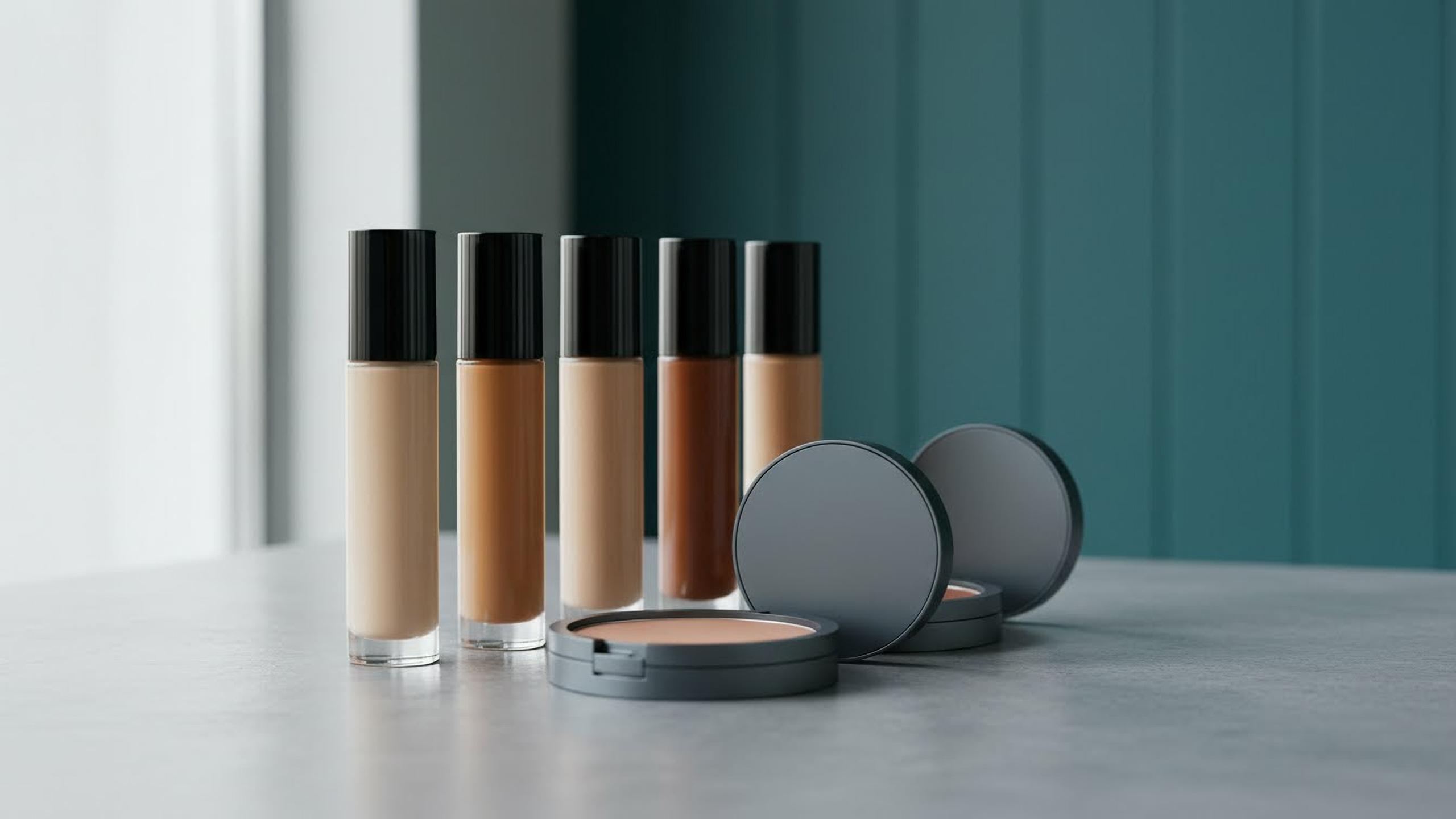
Not long ago, 'shade finders' were little more than online quizzes. You’d answer questions about your skin concerns, how your skin reacts to the sun, and what colour your veins appeared. The recommendations were an educated guess at best. Today, that
has changed dramatically. The new generation of shade matching tools uses artificial intelligence (AI) and augmented reality (AR) to actively analyse your skin. Instead of asking you to guess your undertone, these tools use your phone's camera to see it for themselves. This leap from self-reporting to data-driven analysis is what makes modern virtual shade matching far more sophisticated and genuinely helpful. Brands that use this advanced AI report significantly higher conversion rates and fewer product returns, proving that accuracy is improving.
How the New Technology Works
So, what’s happening behind the screen? When you use a modern shade finder, an AI algorithm analyses the image from your camera or a selfie. Using computer vision, it maps hundreds of points on your face to detect your unique skin tone and, crucially, your undertone (the subtle cool, warm, or neutral hue beneath the surface). Advanced systems can now detect more than 70 facial characteristics to generate a personalised profile. Some technologies even use spectroscopy, the science of light, by flashing different colours from your phone screen to precisely measure how your skin reflects light, building a unique colour signature. The system then cross-references this data with its product inventory to recommend the most accurate foundation shade. It’s a blend of computer vision, machine learning, and light science happening in seconds.
Overcoming The Lighting Challenge
One of the biggest hurdles for virtual try-on technology has always been lighting. A warm-toned lamp or a cool, overcast day can completely change how your skin appears on camera, throwing off the results. However, the latest algorithms are being designed to account for this. By analysing shadows and light sources in your photo or video feed, some AI models can 'neutralise' the environmental lighting to get a more accurate reading of your true skin tone. Some brands have also introduced physical 'Colour Cards' that you hold next to your face; the card acts as a consistent reference point, allowing the AI to calibrate for lighting and camera differences, which it claims makes the analysis more sensitive than the human eye.
Is It a Perfect Match?
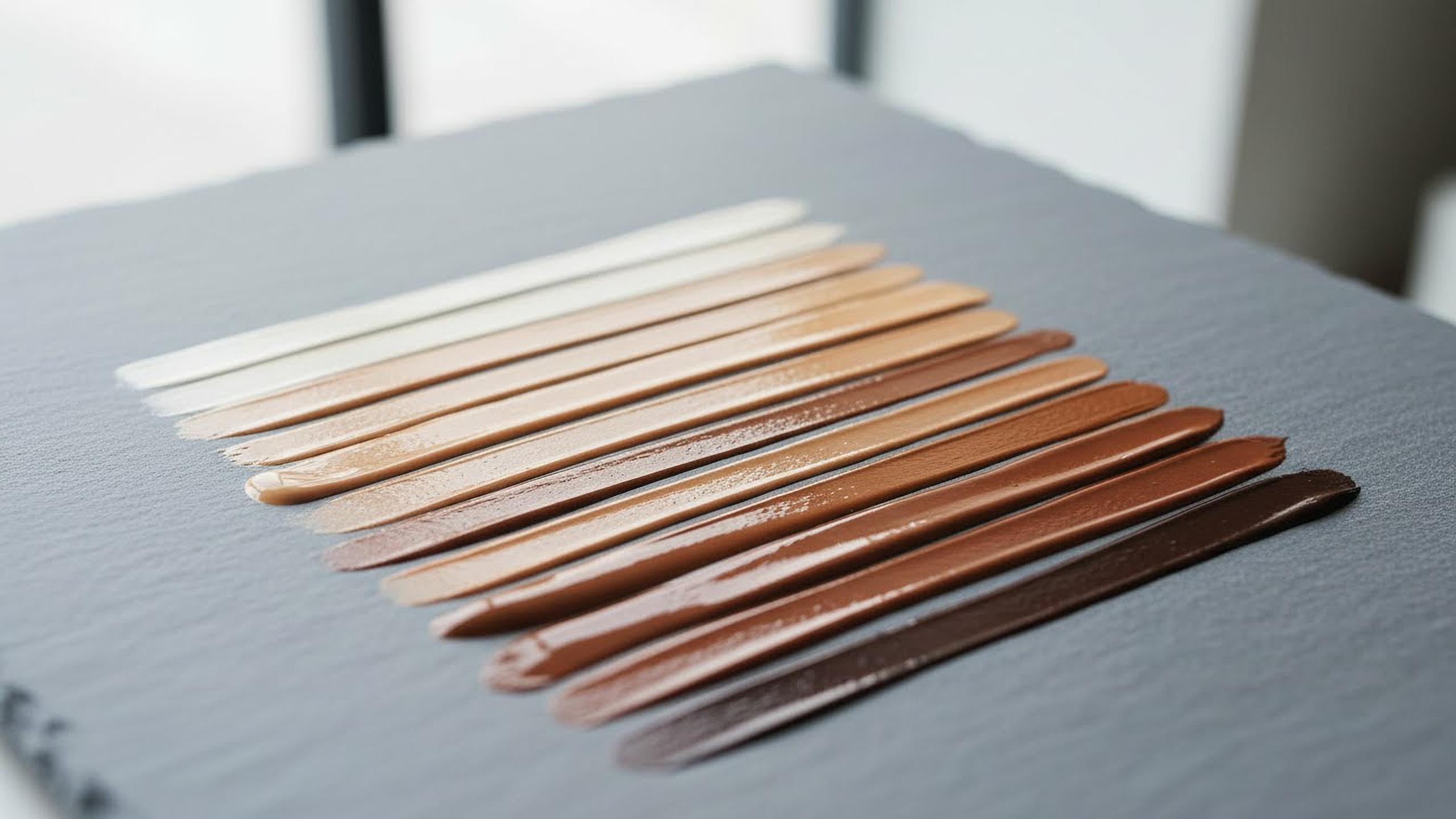
With all this advanced tech, is buying the wrong shade a thing of the past? Not quite yet. While accuracy has improved immensely—with some tools claiming a match rate as high as 96%—it’s not foolproof. The quality of your smartphone camera still plays a significant role, as does your ability to take a photo in good, natural light without any makeup. Users report that while the technology provides a very realistic preview, it sometimes doesn't capture the subtle texture or finish of the actual product. For now, it’s best to view these tools as a powerful guide. They can narrow your options from dozens of shades down to two or three likely candidates, significantly increasing your chances of success. It transforms a shot in the dark into a highly educated choice.
The Future is Hyper-Personalised
Virtual shade matching is just one piece of a larger trend towards hyper-personalised beauty. The same AI and data-analysis technology is being used to recommend entire skincare routines based on a scan of your face. The AI in the beauty and cosmetics market is projected to grow into a multi-billion dollar industry within the next few years. The endgame for many brands is not just recommending an existing product, but creating a truly bespoke one just for you. Imagine a future where a quick facial scan leads to a custom-mixed foundation, serum, or lipstick being formulated on the spot. This level of personalisation, powered by AI, promises to make beauty more inclusive, effective, and relevant for every individual.