


Why Autumn Is the Perfect Season
Satpura National Park typically opens its gates to visitors from mid-October after the monsoon season. This period, from October through November and into early December, is arguably the most magical time to visit. The forest, freshly rejuvenated by the rains,
is a vibrant green, and the air is crisp and pleasant. Water bodies like the Denwa River are full, attracting a plethora of animals and migratory birds. With vegetation still dense from the rains, wildlife spotting can be a rewarding challenge, but the pleasant weather makes for comfortable safaris, whether by jeep, boat, or on foot. This season offers a tranquil experience before the peak tourist crowds of deep winter arrive.
Getting to the Wilderness
Satpura's main and most popular entry point is the Madhai gate. Reaching this relatively remote park requires some planning. The nearest major airport is Raja Bhoj Airport in Bhopal (BHO), approximately 140-170 km away, which translates to a 3-4 hour drive. Nagpur Airport (NAG) is another option, though further at around 300-320 km. For train travelers, Pipariya railway station is the most convenient major hub, located about 50 km from the park. From Pipariya, it's a 1-2 hour taxi ride to the Madhai entrance. Sohagpur station is closer at 20 km, but it is served by fewer trains. Driving your own vehicle is also feasible, with well-connected roads from major cities in Madhya Pradesh.
Choosing Your Safari Adventure
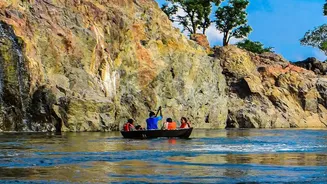
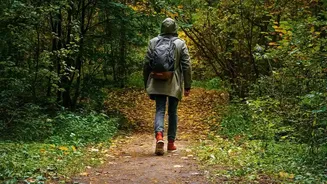
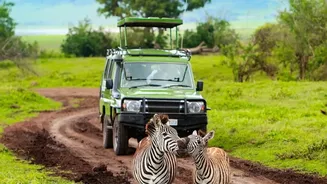
What sets Satpura apart is its variety of safari experiences beyond the standard jeep tour. The park is one of the few in India where you can embark on a guided walking safari, offering an incredibly intimate way to connect with the forest. Accompanied by a naturalist and a forest guard, you can explore tracks and signs of wildlife on foot. Another unique offering is the boat and canoe safari on the scenic Denwa River. This provides a different perspective for spotting wildlife, especially crocodiles basking on the banks and the rich birdlife, including migratory species. Of course, traditional open jeep safaris are also available for exploring the park's core and buffer zones, with the Madhai and Churna zones being popular for their biodiversity.
The Stars of the Show: What to Spot
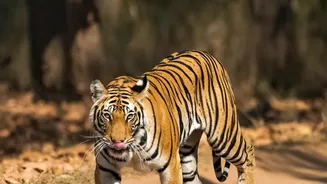
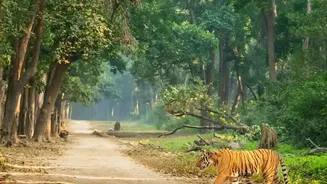
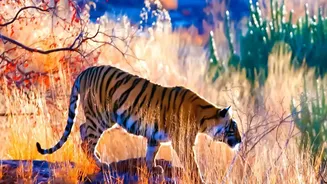
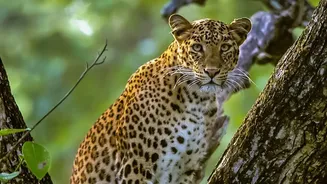
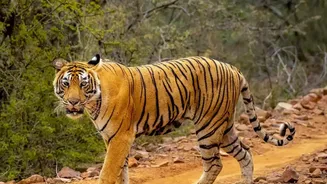
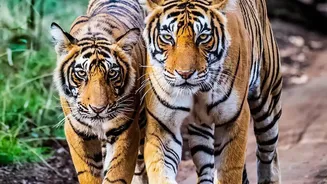
While Satpura is a designated Tiger Reserve, it is more celebrated for its reliable sightings of other, often elusive, creatures. It is considered one of the best places in India to see sloth bears and leopards. The park is also a stronghold for the Indian Giant Squirrel, which is frequently spotted. Other mammals you might encounter include gaur (Indian bison), sambar deer, wild boar, and the highly endangered wild dog (dhole). The post-monsoon season is particularly fantastic for birdwatching, with over 300 species recorded here, including the Malabar pied hornbill and the state bird of Madhya Pradesh, the paradise flycatcher.
Where to Stay: From Lodges to Homestays
Most accommodation options are clustered around the Madhai entrance gate. There is a wide range of choices to fit various budgets. Options include luxury eco-lodges like Forsyth Lodge and Denwa Backwater Escape, which offer all-inclusive packages and expert naturalists. There are also mid-range private resorts such as Madhai Wildlife Resort and the government-run MPT Bison Resort, which provides comfortable stays with great views. For a more local experience, several homestays have emerged in the villages near the park, offering a glimpse into the regional culture. It is crucial to book a hotel near your designated safari gate to avoid long pre-dawn drives.
Essential Booking and Packing Tips
Booking your safari permits well in advance is critical, as there is a limited number of vehicles allowed into the park each day to maintain its low-crowd feel. Permits can be booked online via the Madhya Pradesh Forest Department website. You will need to provide identification details for all visitors. For autumn travel, pack light layers. While the days are pleasant, early morning safaris can be quite chilly. Essentials include a warm jacket, comfortable walking shoes, binoculars for better wildlife viewing, a hat, and insect repellent. Since you'll be on the water, a waterproof bag for electronics is also a wise addition.