



Understanding the 'Prickle Factor'
That itchy sensation from wool isn't usually an allergy; it's a mechanical irritation. Wool fibres have microscopic scales, and coarser, thicker fibres don't bend easily when they press against your skin. Instead, their ends poke at sensitive nerve endings,
creating a 'prickle' that is most noticeable on delicate skin areas like the neck and wrists. Finer wools, such as Merino, have a much smaller fibre diameter, which is why they feel significantly softer and are less likely to irritate. The itch can also be caused by chemical residues from the manufacturing process or even stiff labels and seams.
The Soaking Solution: Soften Fibres at Home
One of the most effective ways to soften a scratchy woollen garment is a simple soak. You have two excellent options. The first is a vinegar soak, which helps remove any alkaline detergent residue that can stiffen fibres. Simply add about one cup of distilled white vinegar to a basin of cool water, submerge the garment for 20-30 minutes, and then rinse thoroughly in cool water. The second method uses hair conditioner. Since wool is a protein fibre similar to human hair, a conditioner can smooth its cuticles. After a gentle wash, soak the garment for about 30 minutes in cool water mixed with a generous amount of inexpensive hair conditioner. A light rinse is all that's needed afterwards.
Washing Wool Without Wrecking It
Improper washing is a primary cause of wool becoming stiff and felted. Heat and agitation are the enemies. Always use cold or lukewarm water, never hot. Opt for a pH-neutral detergent specifically designed for wool or even a mild baby shampoo, as standard detergents can be too harsh and strip the fibres of their natural oils. Whether washing by hand or machine, use a gentle cycle with a low spin speed (no more than 600 RPM) and avoid twisting or wringing the garment. To dry, gently press out excess water by rolling the item in a towel, then lay it flat on a clean, dry surface away from direct heat or sunlight.
Restore Natural Softness with Lanolin
Lanolin is the natural wax or fat found in sheep's wool, which helps make it water-resistant and supple. Much of this is removed during processing, but you can reintroduce it to restore your garments. A lanolin treatment, often available as a spray or a solution to be added to a water bath, can replenish the fibres, making them softer and more elastic. This not only reduces the itchy feeling but also boosts the wool's natural ability to repel dirt and moisture, meaning you'll need to wash it less frequently.
Create a Barrier for Ultimate Comfort
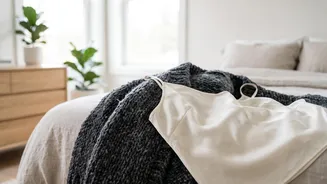
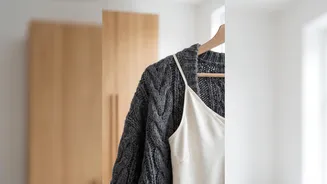
If a particular sweater remains stubbornly scratchy around the collar, the simplest solution is to create a physical barrier. A thin cotton or silk layer worn underneath can prevent the wool fibres from ever touching your skin. For crew necks or V-necks, a collared shirt provides a classic look and an effective buffer. A thin turtleneck made of a soft material like cotton or modal can also be a perfect base layer. For a quicker fix, a silk scarf or bandana can be tied around your neck, adding a stylish element while protecting your skin from friction.
Smart Storage and Other Quick Tips
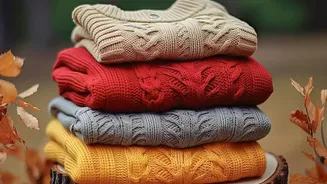
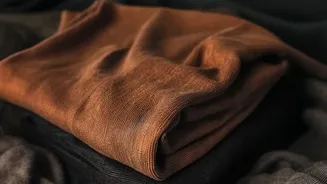
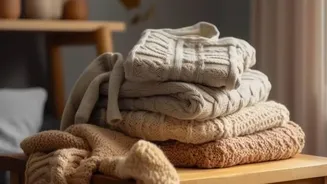
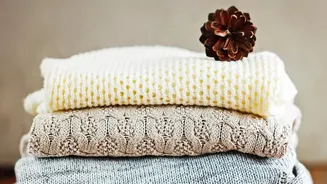
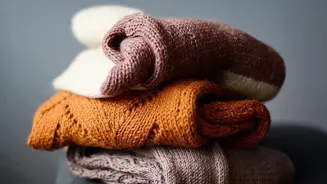
How you store your woollens matters. Never hang heavy wool sweaters, as this can cause them to stretch and lose their shape. Instead, fold them and store them flat in a cool, dry place. For a surprising quick fix, some people have success with freezing. Place the dry garment in a plastic bag and leave it in the freezer overnight. This can cause the short, prickly fibres to become brittle and break off. Finally, simply airing out your wool clothing is often enough to freshen it up, thanks to wool's natural antibacterial properties, reducing the need for frequent, potentially damaging washes.