







The Illusion of Punctuality
It’s a common experience for the modern air traveller: the departure is delayed by 30 minutes due to congestion, but miraculously, you touch down at your destination close to the originally scheduled arrival time. This isn’t magic; it’s a deliberate strategy
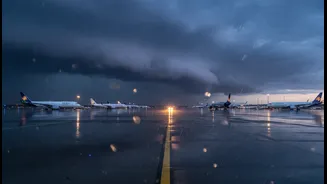
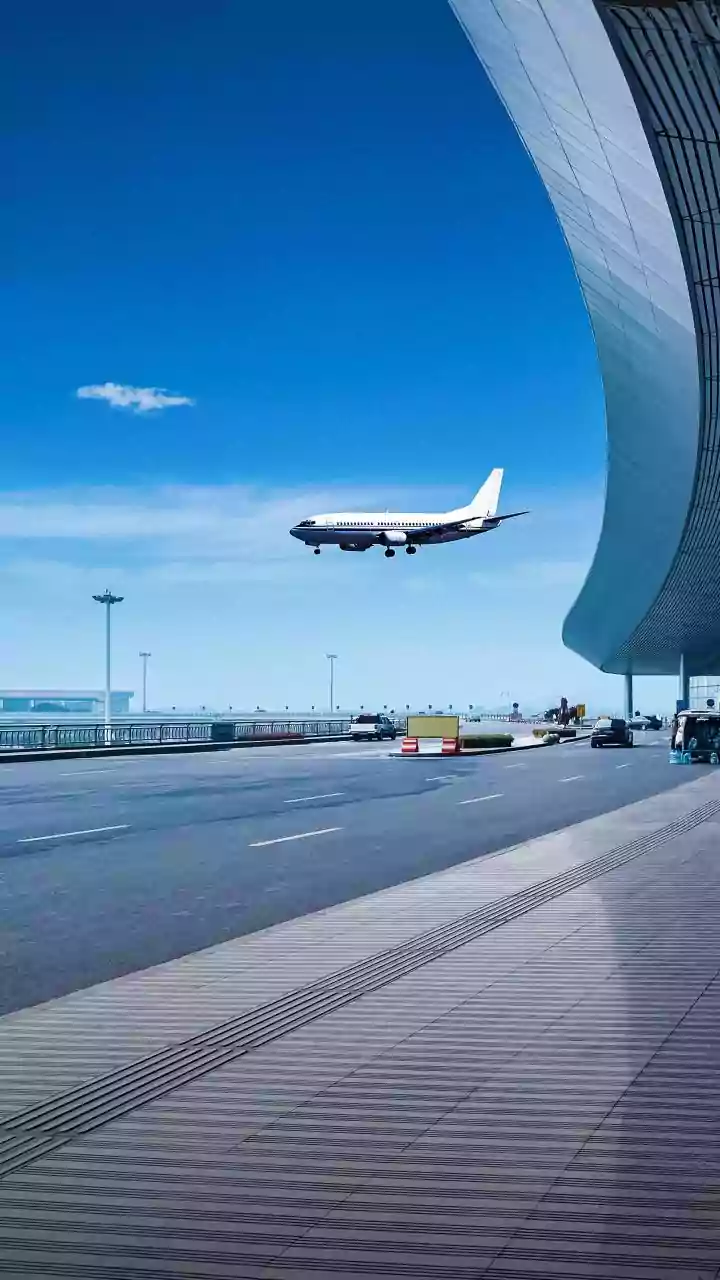
called 'schedule padding' or 'flight buffering'. Airlines intentionally build extra time into their flight schedules. A flight that realistically takes 90 minutes in the air might be listed as lasting 1 hour and 50 minutes. This buffer is an airline's secret weapon for maintaining high on-time performance statistics, a key metric for customer satisfaction and regulatory reporting. By overestimating the travel time, carriers create a cushion to absorb the inevitable delays from air traffic, ground handling, or weather, ensuring that a cascade of delays doesn't derail their entire network. It’s a pragmatic solution to a complex, often unpredictable system, but it's also a form of manufactured punctuality.
The Unofficial Monsoon Tax
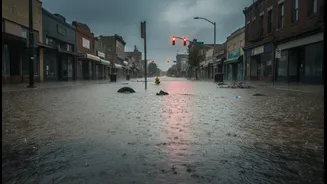
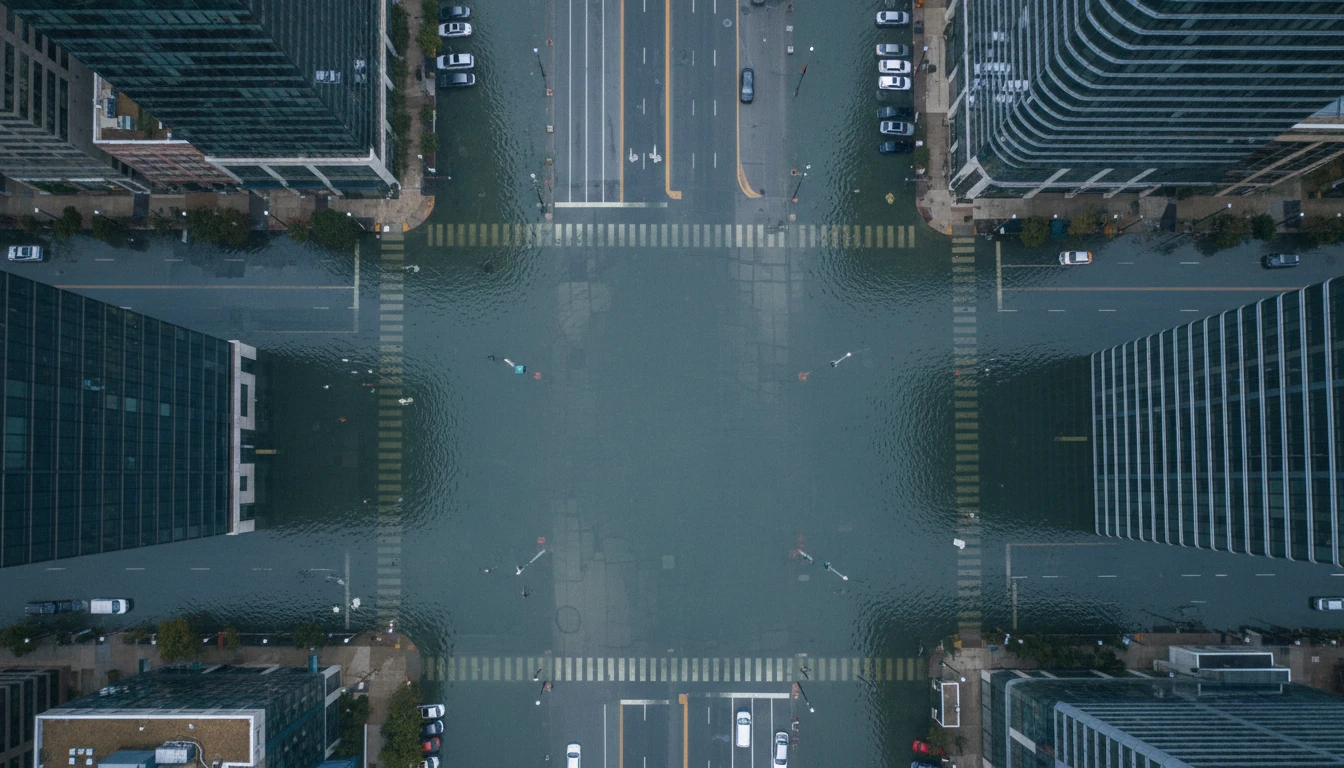
Now, consider life on the ground, especially during the monsoon in an Indian metropolis. As soon as the rains begin, every commuter instinctively performs a similar calculation. A 45-minute drive becomes a 90-minute gamble. Leaving home an hour or two early isn't a sign of caution; it's a necessity, a 'commuter tax' paid in time. Recent heavy rainfall in cities like Mumbai and Delhi has once again highlighted this reality, with severe waterlogging turning arterial roads into parking lots and disrupting rail and road traffic for hours. This isn't a new phenomenon. It's an annual crisis driven by a combination of factors: outdated drainage systems built for far less intense rainfall, rampant concretisation that prevents water from being absorbed into the ground, and encroachment on natural water bodies that once acted as sponges. Just as airlines buffer their schedules, citizens are forced to buffer their daily lives, building in extra time to navigate a system they know will fail them.
A Shared Story of Systemic Strain
Here is where the stories of the sky and the street converge. Both flight buffers and the extra time you add to your monsoon commute are coping mechanisms for systems under immense strain. In aviation, the buffer accounts for congested airports and crowded skies. On the roads, your personal buffer accounts for decades of inadequate urban planning and creaking infrastructure that can't handle a predictable, annual weather event. The airline’s buffer is a corporate, data-driven strategy to maintain efficiency. The commuter's buffer is an individual, intuitive response born of repeated, frustrating experience. But both are fundamentally the same: a patch applied to absorb the shocks of a system that is overstretched, under-resourced, or poorly designed. They are admissions of failure that have been normalised into features of the system itself. The airline doesn't fix air traffic control; it pads the schedule. The city doesn't fix the drains; its citizens learn to leave earlier.
When the Patch Becomes the Plan
The danger of these buffers—both corporate and personal—is that they work just well enough to mask the urgency of the real problems. An airline that consistently meets its 'on-time' targets has less public pressure to advocate for more efficient air traffic management. Similarly, a population that successfully adapts its travel habits to circumvent waterlogging inadvertently reduces the political pressure on municipal bodies to invest in long-term drainage and sustainable urban design. The buffer becomes the solution, a testament to individual or corporate resilience rather than a symptom of systemic failure. This resilience, however, comes at a cost. For air travellers, it means less efficient use of aircraft and crew, and potentially higher prices. For urban commuters, it means lost productivity, elevated stress, and a diminished quality of life. We have become so accustomed to applying these patches that we risk forgetting that the goal should be to build systems that don't need them in the first place.