




An Aviation Overhaul
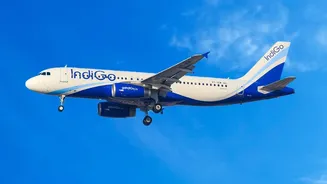
For years, international travel from India often meant a mandatory stop in Delhi or Mumbai. However, 2026 is proving to be an inflection point for Indian aviation. A combination of factors, including fleet expansions by major carriers like Air India and IndiGo,
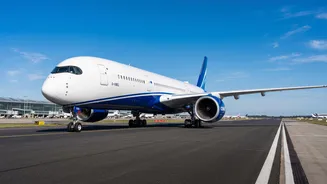
a growing demand for premium travel, and a strategic push to develop non-metro airports into international gateways, is reshaping the country's route map. Airlines are deploying new, modern aircraft, including the Airbus A350s and retrofitted Boeing 787s, on these new routes, promising a more comfortable long-haul experience. This shift isn't just about adding flights; it's about a broader strategy to recapture international traffic that has historically been routed through Gulf hubs. This expansion makes overseas travel more convenient and accessible for both business and leisure travellers across the country.
New Gateways in the South and West
South India is emerging as a major beneficiary of this expansion. A landmark new route is SWISS International Air Lines' first-ever service to South India, connecting Bengaluru directly with Zurich, which launched in late October 2026. This five-times-a-week service is a game-changer for travellers heading to Switzerland and beyond. Further south, IndiGo has introduced a unique direct flight from Chennai to Réunion Island, a French territory in the Indian Ocean known for its volcanic landscapes and unique culture. On the western front, Mumbai has seen its connectivity bolstered with new services, including a much-anticipated direct flight to Tokyo's convenient Haneda Airport by Air India, which started in June 2026. Additionally, SAS Scandinavian Airlines has re-entered the Indian market with a non-stop route from Mumbai to Copenhagen.
Connecting North and East India
The expansion is not limited to the south and west. In a significant development for Northeast India, direct flights have been launched from Guwahati to both Dubai and Abu Dhabi, providing a long-awaited direct link to the UAE. This move eliminates the need for travellers from the region to take a connecting domestic flight. In Central India, Indore has also gained a direct connection to Abu Dhabi, thanks to Air India Express. In the East, Kolkata now has a daily non-stop service to Shanghai, operated by IndiGo, strengthening connectivity with China. Meanwhile, Amritsar's connection to the UK has been enhanced with Air India deploying aircraft with First Class cabins on its routes to London (Gatwick) and Birmingham.
More Than Just New Routes
Beyond launching entirely new city pairs, airlines are also increasing frequencies and resuming old connections that were paused. Air India, for instance, has resumed key services in 2026, including direct flights from Delhi to Rome and Shanghai. The carrier has also been progressively upgrading its cabins across major international routes, introducing Premium Economy on services like Delhi-Tokyo. To further simplify travel from non-metro cities, Air India launched 'Easy Connect' in June 2026. This service allows passengers from cities like Varanasi, Ahmedabad, and Amritsar to complete their international immigration and baggage check-in at their home airport before seamlessly connecting through Delhi or Mumbai. This hub-and-spoke model aims to make the international transit experience much smoother.