





More Than Just a Trade Fair
Now in its 24th edition, Agri Intex has cemented its reputation as South India's largest agricultural trade fair. Hosted by the Coimbatore District Small Industries Association (CODISSIA), the five-day event, running until July 13, brings together hundreds
of exhibitors from across India and the world. It's a sprawling marketplace of ideas and machinery, intended to connect farmers with the latest advancements in everything from horticulture and dairy farming to food processing. Organizers emphasize its role as a catalyst, aiming to bridge the gap between traditional farming and modern, efficient solutions that can boost productivity and income. With live machinery demonstrations and expert-led seminars, the stated goal is clear: to be a platform for practical innovation, not just a gallery of unaffordable technology.
The Promise of Precision Farming
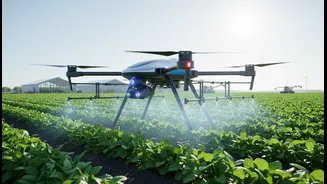
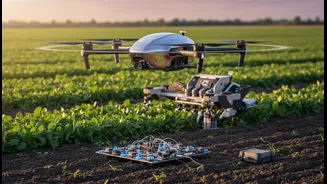
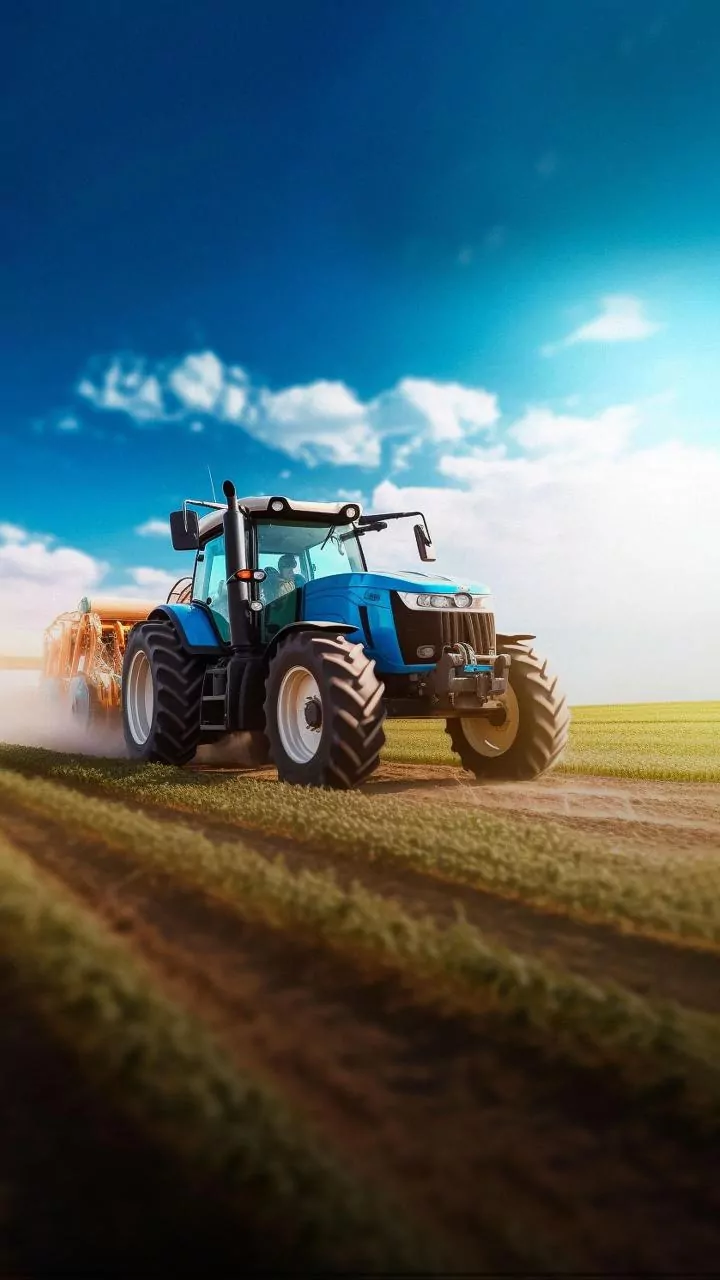
This year's expo floor is dominated by the tools of precision agriculture: drones, sensors, and automated machinery. Drones equipped with high-tech sensors are shown to be capable of everything from precision spraying of pesticides to monitoring crop health and identifying disease before it's visible to the naked eye. Companies are displaying AI-powered tracking sensors that allow drones to intelligently identify field boundaries and avoid obstacles, reducing human error and resource wastage. Alongside the aerial tech, visitors can find advanced irrigation systems that promise to use less water, a key concern highlighted by experts at the event, and smaller, multipurpose electric machines designed to help farmers with everything from carrying loads to weeding. These technologies promise a future where farmers can make data-driven decisions, increase yields, and reduce their environmental impact.
A Reality Check on the Ground
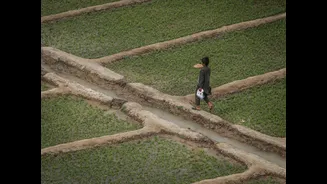
The critical question, embedded in the headline itself, is whether this technology is accessible. For millions of small and marginal farmers in India, the primary barriers are not a lack of interest, but a lack of capital, digital literacy, and reliable infrastructure. Many farmers visiting the expo express both excitement and apprehension, intrigued by labour-saving machines but worried about the high initial investment and the availability of after-sales service. The 'digital divide' is a real concern; even the most advanced sensor is useless without stable internet and electricity, resources that remain inconsistent in many rural areas. Furthermore, a deep-seated lack of trust in new technologies, compounded by language barriers and data privacy concerns, remains a significant hurdle to widespread adoption.
Bridging the Adoption Gap
Recognizing these challenges, the conversations at Agri Intex are increasingly focused on solutions that bridge the gap. Instead of outright purchase, startups and exhibitors are promoting new business models like 'drones-as-a-service', allowing farmers to rent technology for specific tasks like spraying. This approach, supported by government subsidies, makes advanced tech more accessible without the burden of ownership. The focus is also shifting towards smaller, more affordable and versatile equipment, like electric machines designed for multiple farm tasks. Experts at the fair stress the need for mechanization to combat labour shortages and reduce post-harvest losses, which can be as high as 30-40%. The consensus is that technology alone isn't enough; it must be part of an ecosystem that includes affordable financing, skill training, and robust policy support.
Coimbatore's Central Role
Coimbatore's position as the host city is no coincidence. Known for its strong industrial base, manufacturing prowess, and cluster of engineering institutions, the city is a natural hub for agri-tech innovation. This ecosystem allows for a unique synergy between technology developers and the agricultural communities in the surrounding region. The presence of nearly 500 companies at Agri Intex, showcasing everything from high-tech machinery to organic fertilisers, is a testament to this dynamic. Farmers attending the event benefit from having access to a comprehensive range of equipment and expertise all under one roof, reinforcing Coimbatore's role in driving the next wave of agricultural modernization in the country.