







Before You Travel: Plan Ahead
Spontaneity has its charms, but monsoon travel is not the time for it. Before you even step out, check the weather forecast for your route and destination. Heavy rainfall can lead to sudden waterlogging, landslides, especially in hilly regions, and major
transport delays. If authorities have issued severe weather warnings, it is wise to postpone any non-essential trips. A flexible itinerary with buffer days is your best friend, as flights, trains, and buses can be unpredictably delayed or cancelled. Lastly, inform a friend or family member of your travel plans and expected arrival time, so someone knows where you are.
On the Road: Driving Safely in the Rain
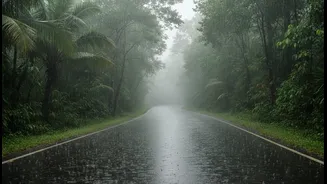
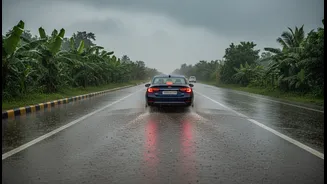
Driving during a downpour requires your full attention. The first rule is to slow down. Wet roads significantly increase your vehicle's braking distance and the risk of skidding. Maintain a much larger gap between your car and the one ahead; a good rule of thumb is to double your usual following distance. Before you start, ensure your vehicle is monsoon-ready. Check that your tyres have sufficient tread, and that your brakes, headlights, and windshield wipers are in perfect working condition. It is crucial to use your headlights in the rain, even during the day, to improve your visibility and ensure other drivers can see you. However, avoid using hazard lights while moving, as this can confuse other drivers about your intentions.
Navigating Waterlogged Streets
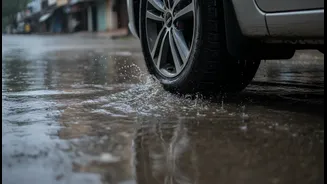
One of the biggest monsoon hazards in India is driving through waterlogged areas. Never attempt to drive through a flooded street if you cannot judge its depth. The water can hide deep potholes, open manholes, or other debris that can severely damage your car or cause an accident. Driving through standing water can also lead to hydroplaning, where your tyres lose contact with the road surface, causing you to lose control. If you find your car stalled in water, do not try to restart the engine, as this can cause catastrophic damage. An equally grave danger is electrocution from submerged electrical wires or poles. Rainwater is an excellent conductor of electricity, and even minor leakages can be fatal. It is always safer to take an alternative route or wait for the water to recede.
Your Monsoon Health and Hygiene Kit
The rainy season brings a higher risk of water-borne and mosquito-borne diseases like cholera, typhoid, dengue, and malaria. To protect yourself, avoid street food and any uncooked items like salads, which may be prepared with contaminated water. Always drink boiled, filtered, or sealed bottled water. Personal hygiene is paramount. Wash your hands frequently with soap or use a hand sanitiser, especially before eating. To ward off mosquitoes, use a reliable insect repellent and consider wearing full-sleeved clothing, particularly in the evenings. Also, avoid getting drenched in the rain for long periods, and change out of wet clothes as soon as possible to prevent fungal infections and colds.
Packing Your Monsoon Essentials
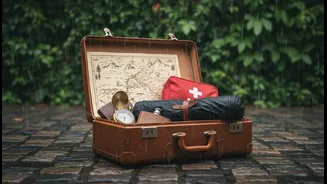
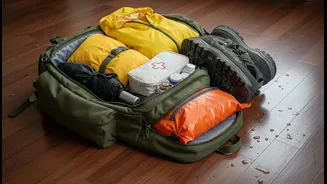
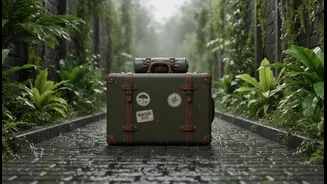
Packing smart can make all the difference. Opt for clothes made from synthetic, quick-drying fabrics like polyester or nylon instead of cotton, which takes a long time to dry in high humidity. A sturdy umbrella and a lightweight waterproof jacket or poncho are non-negotiable. Your footwear should be waterproof with a good grip; rubber sandals or floaters are a great choice, while flip-flops can be slippery and dangerous. Protect your valuables by keeping electronics, documents, and cash in waterproof zip-lock bags or a dry bag. It's also wise to carry a fully charged power bank, as power outages can be common during heavy rains. A small first-aid kit with basic medications for fever, colds, and stomach issues is also a must-have.