


The Great Indian Protein Rush
Walk down any supermarket aisle, and you'll see it: protein is the new superstar of the Indian pantry. Spurred by rising health consciousness, fitness trends, and higher disposable incomes, consumers are actively seeking out products that promise to build
muscle, keep them full longer, and support a healthy lifestyle. This isn't just a niche trend for gym-goers anymore. Quick-commerce platforms have reported massive surges in orders for protein-related products, from traditional staples like paneer and eggs to modern formats like protein bars, chips, and fortified dosa batter. Brands have responded enthusiastically, with major players and startups alike launching innovative products to meet this booming demand.
What Exactly Is a 'Clean Label'?
While the protein trend has been grabbing headlines, a quieter but equally significant consumer demand has been growing: the desire for 'clean labels'. Although there is no official or legal definition, a clean label generally refers to a food product with a short, simple, and easy-to-understand ingredient list. Consumers expect these products to be minimally processed and free from artificial additives, colours, flavours, and preservatives. Think ingredients you would recognise and might even have in your own kitchen. This movement is driven by a desire for transparency and a growing distrust of long lists of chemical-sounding names on the back of the pack.
The Conflict: When High-Protein Isn't 'Clean'
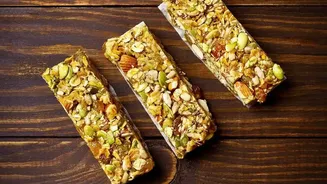
Here's where the two trends collide. Achieving a high protein content, especially in processed snacks and beverages, often requires more than just adding whole foods. To boost protein levels while maintaining taste, texture, and shelf-life, manufacturers frequently use protein isolates (like whey or soy isolate), concentrates, stabilisers, thickeners, emulsifiers, and artificial or non-caloric sweeteners. These are precisely the kinds of ingredients that can make an ingredient list long and scientific-sounding, clashing directly with clean label expectations. A protein bar might deliver 20 grams of protein, but it could also come with a list of additives that makes health-conscious consumers pause. Studies have found that many products with high-protein claims are also high in sugar, sodium, or fat, making the front-of-pack promise less healthy than it appears.
Industry's Quest for Cleaner Protein
Food manufacturers are now facing a complex challenge: how to deliver the high-protein content consumers want, but in a 'cleaner' format. This has sparked a wave of innovation in the food technology space. Companies are exploring new, minimally processed protein sources, such as mycoprotein (from fungi) and different forms of plant-based proteins from peas, lentils, and wheat that offer better functionality with fewer additives. The goal is to create products that are not just high in protein but also have shorter, more transparent ingredient lists. This includes replacing artificial sweeteners with natural alternatives like stevia or monk fruit, and using natural extracts like rosemary for preservation. It’s a delicate balancing act of maintaining nutritional value, taste, and a clean ingredient deck.
How to Be a Smart Shopper
For consumers trying to navigate this landscape, the advice is simple: turn the package over. The bold claims on the front are marketing; the real story is in the nutrition panel and the ingredient list on the back. Pay attention to the first five ingredients, as they make up the bulk of the product. Look at the serving size to understand how much protein you're actually getting. A long ingredient list full of names you don't recognise may be a sign that the product is highly processed, even if it carries a 'high protein' claim. Choosing whole food protein sources like eggs, lentils, Greek yogurt, tofu, and lean meats is always a reliable strategy. For packaged goods, prioritise those with simpler formulations.