




The Soulful Classic: Simple Moong Dal Tadka
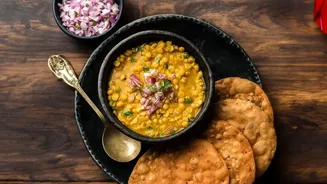
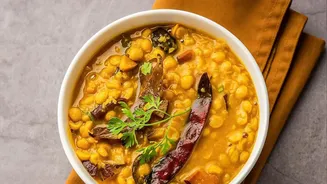
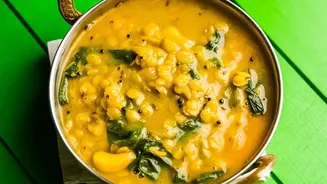
Yellow moong dal, or dhuli moong, is the star of the quintessential comfort food, Dal Tadka. Known for being light on the stomach and quick to cook, it's a weeknight saviour. To begin, rinse the dal thoroughly until the water runs clear. In a pressure
cooker, combine the dal with water, turmeric, and a pinch of salt. Cook for about 2-3 whistles, or for roughly 10-15 minutes, until it's soft and mushy. While the dal cooks, prepare the tadka or tempering. Heat ghee or oil in a small pan, and once hot, add cumin seeds, letting them splutter. Follow with chopped ginger, garlic, and green chillies, sautéing until fragrant. Some variations include adding chopped onions and tomatoes to this base for a richer flavour profile. Once the dal is cooked, you can pour this aromatic tempering over it, stir, and let it simmer for a few minutes to allow the flavours to meld. Garnish with fresh coriander and a squeeze of lemon juice for a bright finish.
Beyond the Dal Bowl: Savoury Moong Dal Cheela
Who said dal only belongs in a bowl? Moong dal can be transformed into delicious, protein-packed savoury pancakes known as cheelas. To make the batter, soak yellow moong dal for a couple of hours, or even just 30 minutes in hot water. Drain the water and grind the soaked dal in a mixer with ginger, green chillies, and a little cumin until you have a smooth, flowing batter. To this batter, you can add finely chopped onions, tomatoes, capsicum, and fresh coriander, along with salt and other spices. Heat a non-stick tawa or flat pan, lightly grease it with oil, and pour a ladleful of the batter, spreading it into a thin circle. Cook on medium heat until the edges turn golden and crisp, then flip and cook the other side. These cheelas are perfect for a quick dinner or a hearty breakfast, served with green chutney or pickle.
The Hearty Main: Whole Green Moong Curry
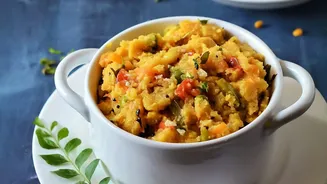
For a more robust and fibrous meal, turn to whole green moong (sabut moong). These beans hold their shape better than their split counterparts, resulting in a hearty curry that pairs beautifully with roti or rice. Soaking the beans for a few hours is recommended to reduce cooking time. The preparation is similar to a standard dal. Start by making a masala base in a pressure cooker with oil, cumin seeds, onions, ginger, garlic, and tomatoes. Sauté until the tomatoes soften and the oil begins to separate. Add your powdered spices like turmeric, red chilli powder, and coriander powder. Then, add the soaked and drained green moong, water, and salt. Pressure cook for about 3-4 whistles or until the beans are tender but not completely mashed. The result is a wholesome, flavourful curry that is both satisfying and incredibly nutritious.
A Refreshing Twist: Moong Dal Salad (Kosambari)
For a lighter, no-cook or minimally-cooked option, a moong dal salad, popularly known as Kosambari in South India, is an excellent choice. Start by soaking yellow moong dal for about an hour until it softens slightly but retains a bite. For a softer texture, you can steam or boil the soaked dal for a few minutes and let it cool. In a bowl, combine the soaked or cooked dal with finely chopped cucumber, grated carrots, and fresh pomegranate seeds for a burst of sweetness. Freshly grated coconut is a key ingredient that adds a delightful texture and richness. For the dressing, a simple mix of lemon juice and salt is all you need. A final tempering of hot oil or ghee with mustard seeds, curry leaves, and a pinch of asafoetida poured over the salad brings all the flavours together. It's a refreshing, crunchy, and protein-rich meal perfect for a warm evening.
Tips for Perfect Moong Dal Every Time
Cooking with moong dal is straightforward, but a few tips can elevate your dish from good to great. Always rinse your dal thoroughly before cooking to remove excess starch, which results in a cleaner flavour and better texture. Soaking is optional for split yellow moong dal but highly recommended as it reduces cooking time and makes the lentils easier to digest. When cooking, don't be afraid to adjust the amount of water; you can always add more hot water later to achieve your desired consistency. Finally, never underestimate the power of a good tadka. Blooming your spices in hot ghee or oil at the end and pouring it over the dal infuses the entire dish with a fresh layer of aroma and flavour that makes all the difference.