





The New Guard of Indian Fashion
In the bustling cities of India, a fresh creative energy is reshaping the fashion landscape. Forget the idea that handloom is only for traditional occasions. Today's youth-led brands are deconstructing this notion, thread by thread. They are the new custodians
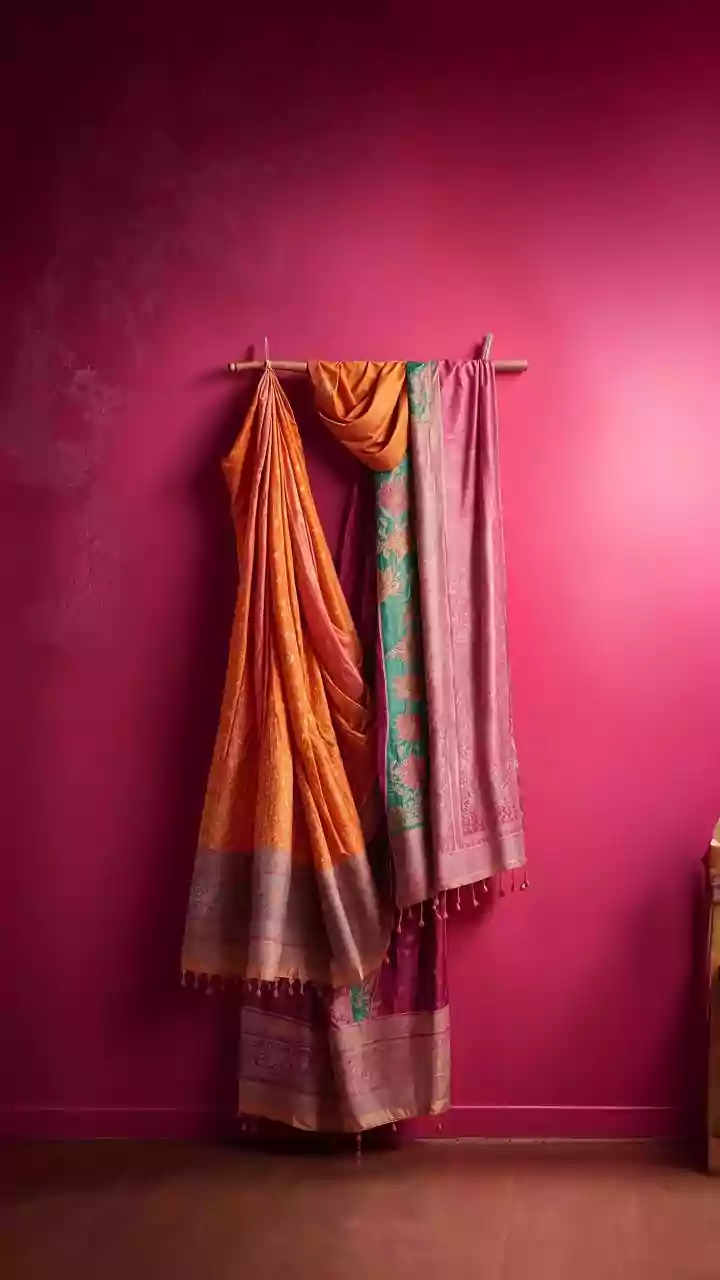
of an ancient legacy, taking fabrics like Khadi, Chanderi, and Ikat, once reserved for sarees and kurtas, and moulding them into silhouettes that speak to a globalised, digital-native generation. This movement is driven by a desire for authenticity and a rejection of the fast-fashion model. Young consumers are increasingly curious about where their clothes come from, and designers are responding by creating garments with a story, a soul, and a verifiable connection to India's rich craft history.
From Banarasi Brocade to Bomber Jackets
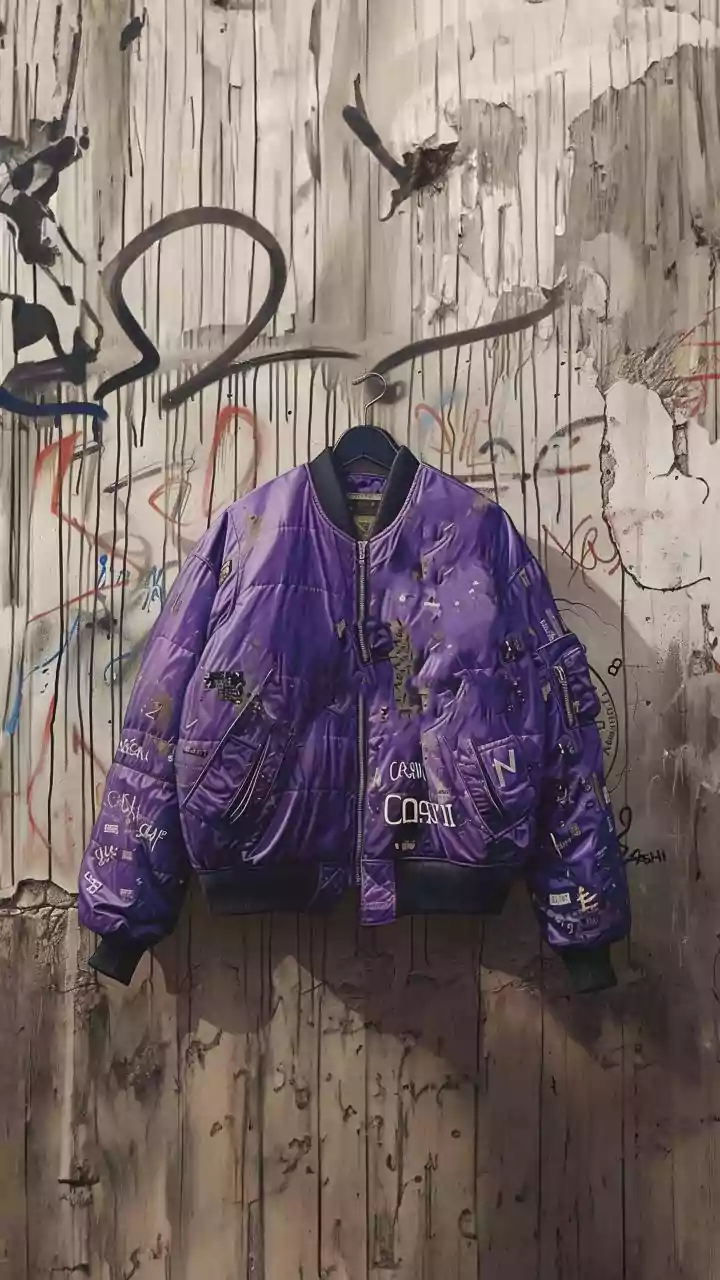
The innovation lies in the reinterpretation. Think of the opulent gold and silver threads of a Banarasi brocade, not on a heavy bridal lehenga, but on the collar of a sharp bomber jacket. Imagine the distinctive, blurred patterns of Ikat, a tie-dye technique from Gujarat and Odisha, not just on a dupatta, but integrated into a pair of denim jeans. Labels like NorBlack NorWhite and Bloni are at the forefront, blending South Asian craft with global streetwear aesthetics. They are creating oversized shirts, relaxed co-ord sets, and utility jackets that feel at home on the streets of Mumbai or Delhi, proving that tradition can be both avant-garde and wearable. This fusion makes heritage accessible, turning what was once considered heirloom-only into everyday cool.
Weaving a More Sustainable Future
This movement is intrinsically linked to the principles of slow and sustainable fashion. Handloom production, by its very nature, has a low carbon footprint, often relying on foot-powered looms and natural, biodegradable materials. By choosing to work with artisan clusters in regions like Kutch, Varanasi, and across Northeast India, these young designers are not just preserving a craft; they are helping to sustain entire communities. This model ensures that weavers receive fair wages and that their invaluable skills, passed down through generations, are not lost to the pressures of mass production. It's a conscious choice to prioritise people and the planet, offering consumers a way to wear their values.
A Statement of Cultural Pride
Ultimately, wearing a piece from one of these brands is about more than just aesthetics; it's a statement of identity. For Gen Z and millennials, it is a way to connect with their roots in a world that is increasingly homogenised. Each garment tells a story of the hands that made it, the region it comes from, and the centuries of history woven into its very fibres. As social media platforms like Instagram level the playing field, these stories can now reach a global audience, allowing small, independent labels to build a following based on authenticity and cultural resonance. This isn't just Indian fashion; it is fashion that is proudly, and unapologetically, Indian.