



That frustrating halo of static and flyaways is a familiar winter sight. But did you know your daily heat styling routine might be the main culprit? The combination of hot tools and dry winter air creates a perfect storm for hair damage.
Understanding Your Hair's Defenses
Think of each
hair strand as having a protective shield called the cuticle. It's made of tiny, overlapping scales, like shingles on a roof. When these scales lie flat, your hair is smooth, shiny, and holds onto moisture. The core of the hair, called the cortex, is primarily made of keratin proteins and holds the moisture that keeps hair flexible and strong. Healthy, moisturised hair with a sealed cuticle is your best defense against everyday stressors.
How Heat Tools Create Damage
When you apply a hot tool to your hair, the intense heat can cause the water stored in the cortex to turn into steam. This steam bursts out, lifting and cracking the protective cuticle scales on its way. This process does two things: it lets precious moisture escape, and it weakens the hair's protein structure. Temperatures over 200°C can permanently alter the keratin proteins, making hair weaker, less elastic, and prone to breakage and split ends. A damaged cuticle feels rough, looks dull, and can no longer effectively hold moisture.
Why Winter Air Is the Enemy
Winter air, both indoors and out, contains significantly less humidity than the air in warmer months. This dry environment actively pulls moisture from everything, including your hair. When your hair is already dehydrated, it becomes much more susceptible to static electricity. The friction from a brush, a woolly hat, or even your sweater causes an electrical charge to build up. In humid air, this charge would dissipate quickly, but in dry winter air, it lingers, causing individual strands with similar charges to repel each other. The result is that all-too-familiar static halo.
The Protective Power of a Heat Protectant
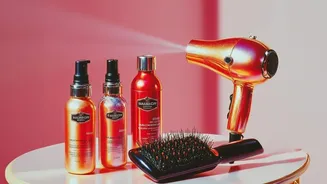
This is where heat protectants become essential. These products, which come in sprays, creams, and serums, are not just another marketing gimmick; they are scientifically formulated to shield your hair. Most work by forming a thin, protective film over the hair shaft. This barrier does a few crucial things: it slows down heat conduction so your hair heats more gently, it helps distribute heat more evenly to prevent 'hot spots' that cause intense damage, and it seals the cuticle to lock in moisture. Many heat protectants contain ingredients like silicones and polymers for the barrier, along with nourishing oils and proteins to condition the hair.
Your Winter Hair Protection Plan
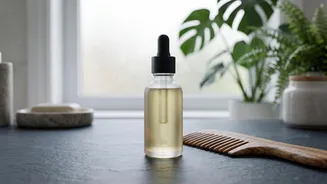
Combining heat with dry winter air is a recipe for disaster if you're not prepared. But you can fight back. First and foremost, never skip your heat protectant. Apply it evenly to damp or dry hair before any hot tool touches it. Look for products that list ingredients like silicones (e.g., dimethicone), copolymers, or hydrolyzed proteins for proven protection. Beyond that, focus on hydration. Use a moisturizing shampoo and conditioner, and consider adding a weekly deep conditioning mask to your routine. A leavein conditioner or a few drops of hair oil on your ends can also add an extra layer of defense against the dry air. Finally, simple tricks like using a humidifier in your home can add moisture back into the air, benefiting your hair, skin, and even your sleep.