








A Grand New Gateway to Marwar
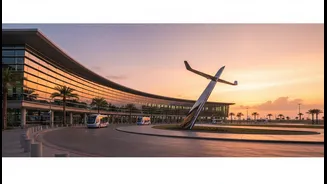
On July 4, 2026, a new terminal building was inaugurated at Jodhpur Airport, marking a significant step up for one of Rajasthan's key tourism and economic hubs. Developed at a cost of ₹480 crore, the new facility is a substantial upgrade. Spanning over
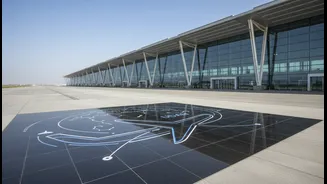
23,000 square metres, it's designed to handle up to two million passengers annually and 1,500 travellers during peak hours. For passengers, this translates to a much smoother experience with 20 check-in counters, modern baggage systems, and six aerobridges to facilitate seamless movement. Architecturally, the terminal blends contemporary design with traditional Rajasthani elements like arches and jharokhas, offering visitors a glimpse of Marwar's rich heritage from the moment they arrive. The expansion also includes a new apron capable of parking more aircraft, readying the airport for increased flight frequency.
What Is the UDAN Scheme?
UDAN, which stands for Ude Desh ka Aam Nagrik ('Let the Common Citizen of the Country Fly'), is a regional connectivity scheme launched by the government in 2016. Its primary goal has been to make air travel affordable and accessible, particularly by connecting underserved and unserved airports in Tier-2 and Tier-3 cities. The model works through a combination of government subsidies and incentives for airlines. Airlines bid for routes connecting smaller towns, and in return for operating on these commercially challenging routes, they receive Viability Gap Funding (VGF) to cover potential losses. A key feature was the capping of fares on a certain percentage of seats, making flights on these routes surprisingly affordable. Since its launch, the scheme has operationalised hundreds of routes and connected dozens of airports, heliports, and water aerodromes across the country.
The 'Modified UDAN' Explained
The same day the Jodhpur terminal was opened, the government also launched a revamped and extended version of the UDAN scheme, sometimes called Viksit UDAN. With a massive outlay of approximately ₹29,000 crore over the next ten years, this isn't a minor tweak but a major recommitment to regional aviation. A key goal is to address the sustainability issues of earlier phases, where many routes were discontinued after the initial subsidy period ended. The modified scheme plans to develop 100 existing airstrips into full-fledged airports and build 200 modern helipads to improve last-mile connectivity in hilly and remote areas. It also continues Viability Gap Funding for airlines to keep regional routes operational. By providing a longer and more stable financial runway, the government hopes to make these routes self-sustaining over time.
Connecting the Dots: The Airport and The Scheme
The simultaneous launch of Jodhpur's terminal and the modified UDAN is no coincidence; it's a perfectly coordinated strategy. A bigger, more efficient airport is a prerequisite for handling the new routes and increased passenger traffic that the UDAN scheme aims to generate. You can't add more flights if the airport can't handle them. The new terminal provides the capacity and modern infrastructure that airlines look for when considering new routes. In turn, the modified UDAN scheme provides the financial incentives for airlines to launch new services to and from Jodhpur, connecting it to more smaller cities across India. This synergy ensures that the new infrastructure is not just a standalone project but an integrated part of a national strategy to deepen air connectivity beyond the metros.
The Practical Takeaway for You
For the average Indian traveller, this dual development brings several tangible benefits. In the short term, flying into Jodhpur will be a more comfortable and efficient experience thanks to the new terminal. In the medium to long term, the combination of better infrastructure and the UDAN push is expected to result in more direct flight options to Jodhpur from various parts of the country. This increased competition and connectivity could lead to more competitive airfares, making travel to the region more affordable. It opens up western Rajasthan not just for leisure tourism but also for business, education, and family visits, reducing the reliance on long train journeys or multi-stop flights via major hubs.
Beyond Travel: A Boost for the Local Economy
The impact of a new airport terminal and enhanced connectivity goes far beyond tourism. Such infrastructure projects are powerful economic engines for Tier-2 cities. The development in Jodhpur is expected to boost local trade, attract investment in the hospitality sector, and create numerous jobs, both directly at the airport and in ancillary industries. Better air access makes a city more attractive for businesses to set up offices, for conferences to be held, and for goods to be transported more efficiently. By making the Marwar region more accessible, this initiative helps integrate it more deeply into the national economy, fostering growth and providing new opportunities for local residents.