

Before the Walk: Gear Up and Prep
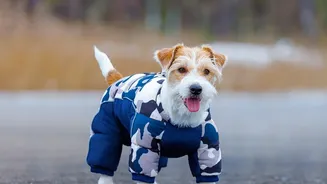
Preparation is the first step to a safe monsoon walk. A well-fitting, breathable raincoat can keep your dog's coat largely dry, which is crucial for preventing skin infections. Damp fur is a breeding ground for bacteria and fungi, leading to common issues
like hot spots and yeast infections. Pay special attention to their paws. Dirty, waterlogged streets expose paws to bacteria and irritants. Consider using dog booties for protection, or apply a paw balm before heading out. This creates a protective barrier against rough surfaces and contaminated water. Also, ensure your dog's parasite prevention for ticks and fleas is up-to-date, as their populations explode in the damp, humid weather.
During the Walk: Navigate with Care
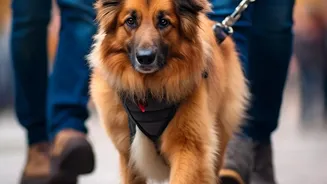
Once you're outside, be mindful of the environment. Keep walks shorter than usual, especially during heavy downpours, aiming for 15-20 minutes. Steer your dog clear of stagnant puddles and waterlogged areas. These can be contaminated with Leptospira bacteria, which causes leptospirosis, a serious disease that can affect the kidneys and liver. Even vaccinated dogs can be at risk as vaccines may not cover all strains. Always provide clean, filtered drinking water at home and never let them drink from outside sources during the monsoon. Use a sturdy, non-slip leash for better control on wet surfaces, and consider a reflective collar or harness for improved visibility on gloomy days.
After the Walk: The Clean-Up Ritual
The post-walk routine is arguably the most critical part of monsoon care. As soon as you are home, thoroughly dry your dog. Use a highly absorbent microfibre towel, paying close attention to paws, the belly, armpits, and ears—areas where moisture loves to hide. For dogs with thick or double coats, a hairdryer on a low-heat setting can help ensure their undercoat is completely dry, preventing fungal growth and that persistent 'wet dog' smell. Clean their paws meticulously to remove any mud and debris. This simple step helps prevent paw infections, which are common during this season. Regularly brushing their coat also helps improve air circulation and removes trapped moisture and dirt.
Health Risks to Watch For
The monsoon is a high-risk season for several health issues in India. Beyond the immediate dangers of puddles, the humidity fuels a rise in skin and ear infections, gastrointestinal problems, and parasite-borne diseases like tick fever. Symptoms of leptospirosis can include fever, vomiting, and muscle pain. Fungal infections often present as incessant scratching, redness, or hair loss. An increase in coughing could signal a respiratory infection like kennel cough, which can spread more easily in damp conditions. If you notice any unusual behaviour, lethargy, or loss of appetite, it's best to consult a veterinarian promptly.
Indoor Exercise: When Walks Are a Washout
On days when the rain is relentless, you don't have to skip exercise entirely. Mental stimulation can be just as tiring as physical activity. Engage your dog with indoor games that make them think. Scent work, where you hide treats around the house for them to find, is an excellent way to engage their natural instincts. Puzzle toys, snuffle mats, and lick mats can also keep them occupied and mentally engaged. If you have space, you can play a gentle game of fetch down a hallway or set up a simple indoor obstacle course using cushions, chairs, and blankets for them to navigate. Even practicing obedience commands or teaching them a new trick provides a great mental workout.