



What is 'Swicy'?
‘Swicy’ is the portmanteau of sweet and spicy that has become the buzzword of the culinary world. It’s the flavour profile that hits you with a sugary, comforting start and leaves you with a lingering, pleasant heat. Think of it as a flavour rollercoaster
in a single bite. This isn’t about overpowering your senses with extreme heat; it’s about creating a complex, balanced, and utterly addictive experience. The magic lies in the harmony between the two opposing forces. The sweetness mellows the sharp edges of the spice, while the spice cuts through the richness of the sugar, preventing either from becoming one-dimensional.
A Trend with Deep Roots
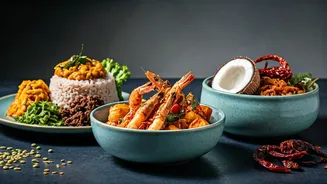
While the name might be new, the concept is deeply embedded in India's culinary DNA. We've been mastering the art of 'swicy' for centuries. It’s the soul of our chaats, where sweet tamarind chutney dances with spicy green chutney. It’s in the heart of a comforting bowl of Gujarati dal, with its signature balance of jaggery and kokum. Parsi cuisine, with its famous dhansak and patra ni macchi, has long celebrated the union of sweet and sour with a hint of spice. Even our beloved pickles and chutneys are a testament to this flavour philosophy. The current ‘swicy’ revolution isn't an import; it's a modern reimagining and commercialisation of a taste profile we have always cherished.
The Psychology of Flavour
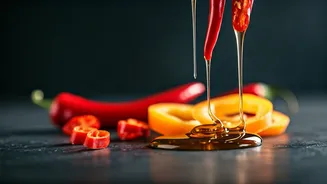
So why is this trend exploding now? Part of the answer lies in our brain chemistry. When we eat spicy food, the capsaicin (the compound that makes chillies hot) triggers pain receptors on our tongue. In response, our brain releases endorphins—the body's natural painkillers and mood elevators. Pair that with the instant pleasure rush from sugar, and you have a combination that is both thrilling and comforting. In a post-pandemic world, consumers are actively seeking more exciting and novel food experiences. The ‘swicy’ profile offers just that: a small, accessible adventure that breaks the monotony of everyday meals. Furthermore, in the age of Instagram and TikTok, the visual appeal of a glistening hot honey drizzle on a pizza or a vibrant red spicy syrup in a cocktail is undeniable.
From Niche Cafes to Supermarket Shelves
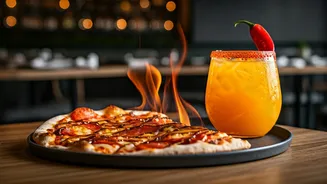
The evidence is everywhere. Gourmet pizza joints in metros now offer 'hot honey' as a standard topping. Craft cocktail bars are infusing everything from gin to tequila with bird's eye chillies and sweet fruit syrups. But the trend has moved far beyond high-end establishments. Look at the snack aisle in your local supermarket. You'll find an explosion of spicy-sweet options, from Lay’s Sweet Chilli flavour to Bingo’s Chilli Guava crisps. Homegrown brands like Naagin Hot Sauce have built their entire business on this concept, offering Indian-inflected hot sauces like the 'Kantha Bomb' with Kerala’s bird's eye chilli. Even the dessert world isn't immune, with chefs experimenting with chilli-infused chocolate, spicy ice creams, and even hot-and-sweet jalebis.
The Global Connection
The Indian 'swicy' wave is also part of a larger global movement. The international popularity of Korean Gochujang (a sweet and spicy fermented chilli paste), Thai Sriracha, and Mexican mole has introduced a new generation of food lovers to the versatility of this flavour profile. As these ingredients become more accessible in India, they are inspiring chefs and home cooks to experiment, blending global spicy-sweet traditions with local ingredients. It's no longer unusual to find a tandoori dish glazed with a Gochujang-based sauce or a pani puri water spiked with a hint of Sriracha. This cross-cultural exchange is enriching our own food landscape, proving that the love for a sweet-and-spicy kick is a universal language.