








Beyond the Headline Numbers
The first thing everyone looks for is the population count. Reports celebrating the rise in tiger numbers to 3,682 or Asiatic lions to 891 are common. While these figures are important indicators of success, they don't tell the whole story. A growing
population is a positive sign, but it's crucial to ask where these increases are happening. Are they concentrated in a few well-protected reserves, or is the recovery widespread? For example, while India's overall tiger population is growing, some reports indicate that 25 of its 58 tiger reserves have declining numbers, and a significant population exists outside protected areas, facing greater risks. A holistic view considers not just the total count but also the distribution and long-term viability of these populations.
Habitat Health and Connectivity
Animals need more than just safety from poaching; they need healthy habitats to thrive. Look for data on forest cover, which now stands at over 21% of India's geographical area. However, reports also show that this doesn't always mean pristine forests; it can include commercial plantations. More importantly, check for details on habitat degradation and fragmentation. Infrastructure projects like roads and railways can cut through vital wildlife corridors, isolating animal populations and leading to genetic decline. A good report will not only celebrate increased forest cover but also analyze its quality, the status of critical corridors connecting protected areas, and the prevalence of invasive species that can disrupt native ecosystems.
The Reality of Human-Wildlife Conflict
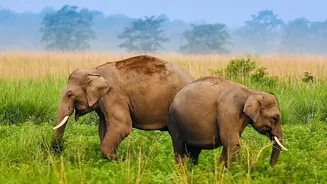
As wildlife populations grow and human settlements expand, interactions between them become more frequent. This is a critical section in any conservation report. Look for statistics on human and animal casualties, livestock predation, and crop damage. For instance, human-elephant conflict is estimated to affect a million hectares of crops annually, leading to hundreds of deaths on both sides. These numbers are a direct measure of the challenges faced by communities living near forests and a key indicator of where conservation strategies need to improve. Effective mitigation measures, community engagement, and fair compensation schemes are essential for fostering coexistence, and reports should ideally detail the progress in these areas.
Prey Base and Ecosystem Balance
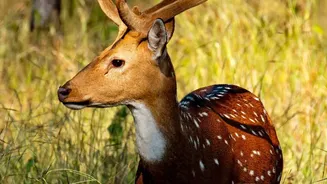
A thriving predator population is impossible without a healthy prey base. For carnivores like tigers and leopards, the abundance of species like deer and wild pigs is a fundamental requirement. Some government assessments have pointed out that a significant number of tiger reserves suffer from a declining prey base. This is a major red flag, as it can lead to tigers venturing into human-dominated landscapes in search of food, exacerbating conflict. A comprehensive report should provide details on prey population density and trends, which offers a deeper understanding of the ecosystem's health. It’s a sign that conservation is moving beyond just saving one iconic species and focusing on restoring the entire food web.
Management Effectiveness and Methodology
How was the data collected? The methodology section is perhaps the most overlooked but most important part of any report. Modern surveys use a combination of camera traps, satellite telemetry, DNA analysis, and foot patrols to estimate populations. Understanding the rigour of the methods used helps determine the accuracy of the findings. Another crucial element is the 'Management Effectiveness Evaluation' (MEE). This is an assessment of how well protected areas are being managed. Recent evaluations show an improving trend in management scores across hundreds of national parks and sanctuaries, which is a positive sign of institutional strengthening.