







That Red Alert Isn't a Suggestion
Let’s be clear about one thing: when the India Meteorological Department (IMD) issues a ‘Red Alert’, it isn’t describing a bad rainy day. It’s a direct instruction to ‘Take Action’. This is the highest level of warning, reserved for when extremely heavy
rainfall—over 204.5 mm in 24 hours—is expected. Such weather poses a significant threat to life and property through widespread flooding and the disruption of essential services. It’s not an invitation to test your vehicle's water-wading capacity or to prove your commitment to your job. It’s a formal advisory that the safest place to be is indoors, and all non-essential travel should be avoided. Yet, every year, the roads fill up with people battling the deluge, turning a predictable hazard into a city-wide crisis.
The Anatomy of a Monsoon Commute
Anyone who has attempted a commute during a downpour in Mumbai, Delhi, or Bengaluru knows the script. It begins with deluged streets that hide a multitude of dangers, from open manholes to debris and treacherous potholes. Public transport, the lifeline for millions, buckles under the strain. Local trains are delayed or cancelled due to waterlogged tracks, and buses are forced into gridlocked traffic or diverted from flooded routes. The journey becomes a high-stress gamble, risking not just time but safety. Stranded vehicles, inundated underpasses, and reports of electrocution from submerged electrical infrastructure become grimly familiar news. The economic and psychological toll of these commutes—arriving at work drenched, stressed, and exhausted, or simply not arriving at all—far outweighs any perceived benefit of being physically present.
The Real Reason We Brave the Storm: Commuter FOMO
So why do we do it? The answer often lies in a uniquely Indian blend of work pressure and cultural expectations, a kind of 'commuter FOMO' (Fear Of Missing Out). It’s the fear of being seen as less dedicated than the colleague who ‘braved the storm’. This is rooted in a workplace culture of ‘presenteeism’, where physical presence is often valued more than productive output. Many employees feel an unspoken pressure to show up, regardless of the risk, driven by job insecurity and intense competition. This isn't helped by corporate policies that are often out of touch with reality, such as offering a single, token work-from-home day during a month-long monsoon season. This frustration is growing, as a policy that ignores a red alert feels less like a benefit and more like a disconnect from employee welfare.
From Fear to Forecast: A New Commuter Toolkit
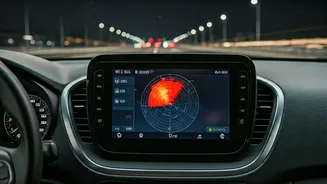
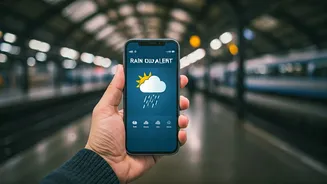
The antidote to this fear-driven behaviour is information. We live in an age of incredible technological empowerment, and it’s time our commuting habits caught up. The solution is to shift to a ‘forecast-first’ mindset. This goes beyond a simple “will it rain today?” check. We have access to sophisticated tools that can guide our decisions. The IMD’s own ‘Meghdoot’ and ‘Mausam’ apps provide district-level forecasts and official warnings. Private forecasters like Skymet offer granular, location-specific data. Combining these weather alerts with real-time traffic apps like Google Maps can give you a comprehensive picture of the situation, allowing you to assess not just the weather but its actual impact on the ground. Making an informed decision to stay home is not avoidance; it's a strategic choice based on data.
A Cultural Shift is Overdue
Ultimately, this is not just an individual’s responsibility. A lasting solution requires a cultural shift within our workplaces. Companies are slowly beginning to recognise that flexibility is not a perk but a core component of business continuity and employee safety. Forward-thinking organisations are already implementing hybrid models, flexible hours, and clear work-from-home protocols during extreme weather events. They understand that the productivity lost to a city-wide traffic collapse and employee stress is far greater than what might be lost from a planned remote-work day. Encouraging employees to heed official warnings and prioritising their well-being builds loyalty and resilience, proving that the company’s duty of care extends beyond the office walls. A safe employee is a productive employee.