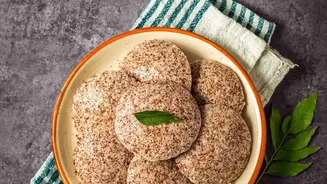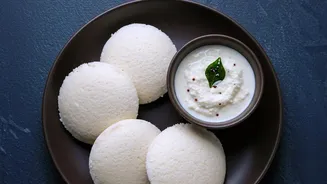








Swapping rice for foxtail millet in idlis is a fantastic health move, but it often leads to a common kitchen dilemma: dense, hard idlis. Understanding why this happens is the first step to mastering the perfect, pillowy-soft millet idli.
Why Foxtail Millet?
Before diving
into texture, it is worth remembering why so many are making the switch. Foxtail millet, known as 'Thinai' or 'Navane' in parts of India, is a nutritional powerhouse. It is naturally gluten-free, boasts a low glycemic index which is great for blood sugar management, and is packed with fibre, protein, and essential minerals like iron and magnesium. Compared to polished white rice, it offers nearly double the protein and significantly more dietary fibre, keeping you fuller for longer and aiding digestion. These benefits make it an attractive alternative in traditional recipes, but its unique properties mean it cannot be treated exactly like rice.
The Grain Is Not the Same
The primary reason foxtail millet idlis can turn out dense is simple: it is a different grain from rice. Rice contains starch that gelatinizes to create a soft, sticky structure. Foxtail millet, on the other hand, is higher in fibre and has a different protein structure. It doesn't have gluten. This fibrous nature means it absorbs water differently and behaves uniquely during grinding and fermentation. One of the most common mistakes is grinding the millet into a completely smooth paste, like you would with rice. Over-grinding millet can make the batter gluey, leading to dense, heavy idlis instead of light, fluffy ones.
Grind and Ratio: The Technical Core
Achieving the right texture begins with the grind. For soft idlis, the urad dal should be ground into a very smooth, light, and fluffy paste, incorporating as much air as possible. In contrast, the soaked foxtail millet should be ground to a slightly coarse, fine semolina-like texture. This 'rava' consistency is crucial; it prevents the batter from becoming sticky. Soaking the dal and millet in separate bowls is essential because they require different grinding treatments. The ratio is also key. A common starting point is 2 cups of millet for every half cup of urad dal, though some recipes use a 3:1 or 4:1 ratio. A small amount of fenugreek seeds soaked with the dal helps with fermentation and softness.
Fermentation: A Different Rise
If you are used to rice batter doubling in volume, you might be surprised by millet batter. Foxtail millet batter does not rise as dramatically. You should look for signs of fermentation like a subtle sour aroma and visible air bubbles rather than a significant increase in volume. The process typically takes 8 to 12 hours, depending on the climate. It is also important not to add too much water while grinding, as millet batters can become watery after fermenting, which prevents the idlis from holding their shape and becoming fluffy. A thick, well-aerated batter going into fermentation is the goal.
Steaming and Resting for Success
The final steps are just as important. Once the batter is fermented, stir it gently to avoid deflating all the trapped air. Pour the batter into greased idli moulds and steam for about 10 to 15 minutes. A key tip for perfect millet idlis is the poststeeaming rest. Unlike rice idlis, millet idlis are more fragile when hot. Let them rest for 3 to 5 minutes after you turn off the heat. This allows them to firm up slightly, making them easier to unmould without breaking or tearing. This small pause can be the difference between a plate of perfectly formed idlis and a crumbly mess.